








Now Reading: NRAI keeps Olympic trials format for LA 2028, no automatic berths for quota winners
-
01
NRAI keeps Olympic trials format for LA 2028, no automatic berths for quota winners

NRAI keeps Olympic trials format for LA 2028, no automatic berths for quota winners

The Story in Brief
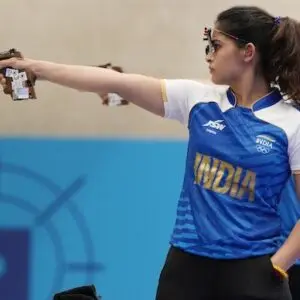
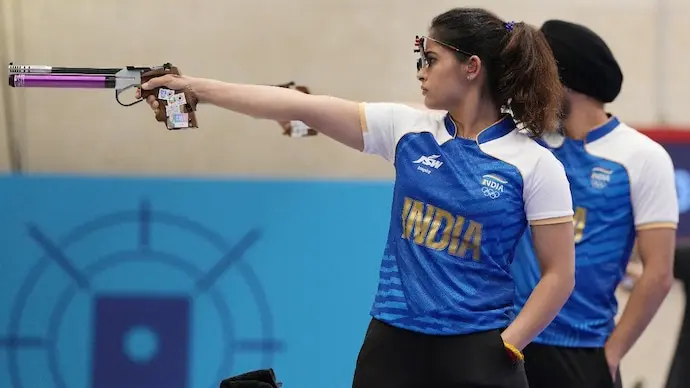
The National Rifle Association of India (NRAI) has retained the Olympic Selection Trials (OST) format for the 2028 Los Angeles Olympics, confirming that shooters who win Olympic quota places for India are not automatically guaranteed a spot on the team. The selection criteria, announced on Sunday, 1 November 2026, take effect immediately with the start of the ISSF World Championship in Doha.
Under the rules, athletes must compete in at least three of four OSTs, with selection based on a Final Average Score from the three highest trials performances plus Quota Bonus Points. The NRAI reiterated that an Olympic quota belongs to the country, not the athlete. The system previously triggered legal challenges after former world champion Rudrankksh Patil lost his Paris 2024 place to Sandeep Singh, who finished 12th in the Olympics.
The criteria apply to pistol and rifle events and will remain in force until the Indian team for Los Angeles is selected. Athletes must have competed in at least two ISSF championship events offering quota places between 1 November 2026 and 30 April 2028 to be eligible for the trials.
Indian Opinion Analysis
India Today and Rediff carry near-identical PTI copy on the NRAI trials decision. Both lead with the retention of the format, note the Rudrankksh Patil precedent, and quote the quota-ownership rule identically. The framing is uniform: straight news agency style reporting that reports the NRAI statement without endorsing or opposing the trials. Neither outlet introduces its own judgement. The balanced reading is straightforward: the NRAI has said it will select on trials performance, not quota acquisition, and any dispute will have to emerge from the shooters themselves. The concrete next step is the ISSF World Championship in Doha, effective from 1 November 2026, which starts the new criteria cycle.
Coverage: 2 sources, 2 neutral
Sources (2): indiatoday.in (neutral report), rediff.com (neutral report)
This brief was synthesised by AI from the 2 sources linked above, so one read covers every framing they carry. Methodology and corrections.