











Now Reading: Osmania University develops pollen-based anti-counterfeiting system
-
01
Osmania University develops pollen-based anti-counterfeiting system



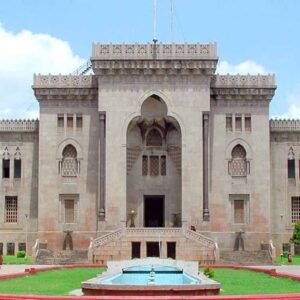
Osmania University researchers have developed PollenSignum, a combinatorial pollen-based nano-optical authentication technology for anti-counterfeiting and forensic verification of valuable articles. The system uniquely combines the natural microscopic identity of taxonomically authenticated pollen with the optical signature of zinc oxide nanomaterials.

The patent describes an initial reference library of 12 distinguishable pollen taxa, providing a theoretical 4,096 non-empty pollen combinations. The marker can be incorporated into security documents, currency substrates, pharmaceutical packaging, jewellery, gemstones, luxury products and certificates, and can be enclosed in a sealed micro-container for optical screening and forensic verification.
The technology was developed by Dr A. Vijaya Bhasker Reddy, D. Nirmala and B. Vijay Kumar at Osmania University. The Indian patent was filed on 19 September 2026 and published by the Intellectual Property Office, India on 2 October 2026.
Indian Opinion Analysis
Both sources report the same facts from the press release without independent reporting or critique. Deccan Chronicle leads with the technology description and lists potential applications first, while Telangana Today leads with the anti-counterfeiting purpose and attributes details to the press release. Neither outlet questions the claimed 4,096 combinations or names any external expert. The uniform coverage means the story is as strong as the press release it paraphrases. No official verification beyond the patent publication date of 2 October 2026 has been reported.
Coverage: 2 sources, 2 neutral
Sources (2): deccanchronicle.com (neutral report), telanganatoday.com (neutral report)
This brief was synthesised by AI from the 2 sources linked above, so one read covers every framing they carry. Methodology and corrections.