









Now Reading: Pakistan Places Kashmiri Journalist Danish Irshad on Anti-Terror Watchlist
-
01
Pakistan Places Kashmiri Journalist Danish Irshad on Anti-Terror Watchlist

Pakistan Places Kashmiri Journalist Danish Irshad on Anti-Terror Watchlist

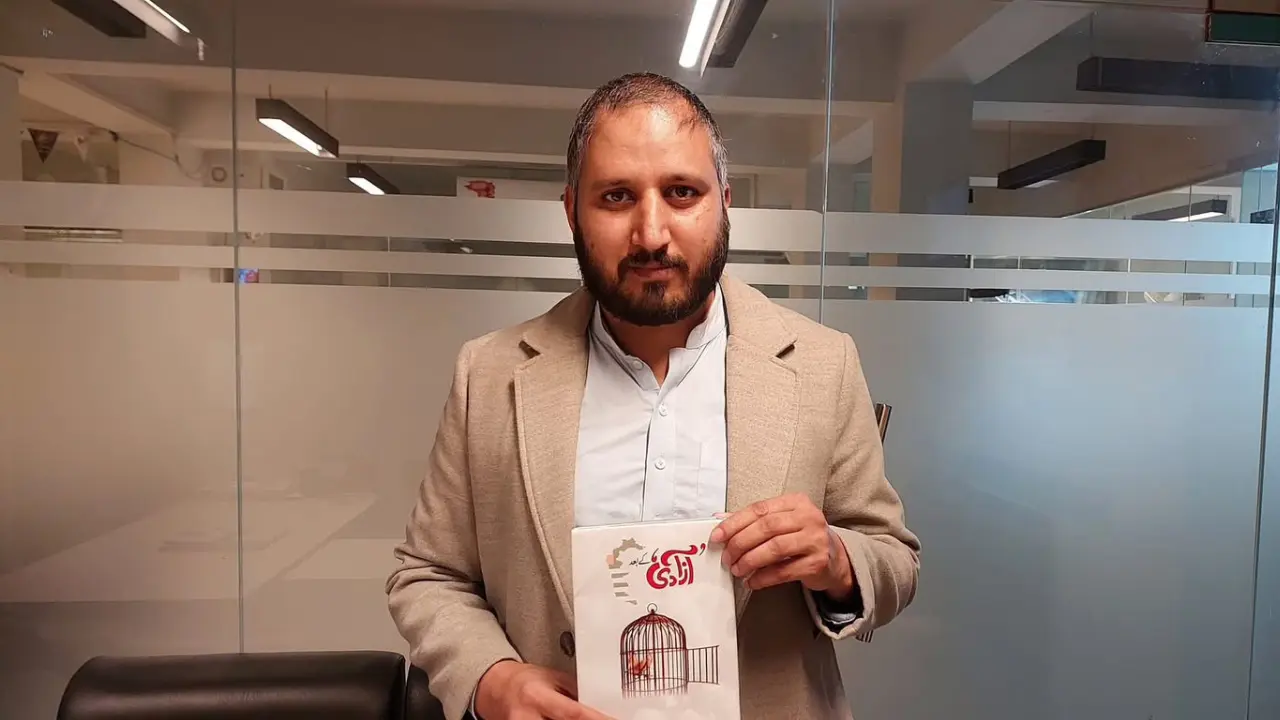
Pakistani authorities have placed Kashmiri journalist Danish Irshad on the Fourth Schedule under the Anti-Terrorism Act, subjecting him to restrictions that can affect movement, banking and financial services. The PoJK Home Department issued the notification on 29 May, naming Irshad among 24 people approved for inclusion after a cabinet decision on 5 June 2026.
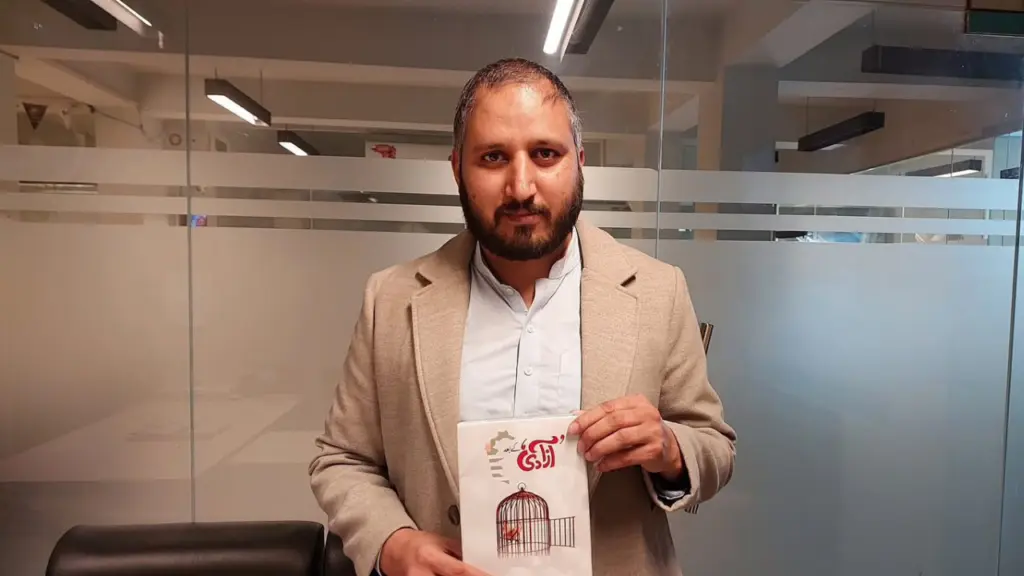
Irshad has covered PoJK for nearly a decade and recently reported on alleged human-rights violations and governance issues. He also interviewed families of children they said were killed during security-force actions. He writes for Kashmir Times and is the author of Azad Kay Baad.
The action follows the June 5 ban on the Jammu Kashmir Joint Awami Action Committee, after protests over amenities, governance and political representation. Activists and rights groups claim more than 100 civilians were killed in the unrest. Polling was also prevented in parts of Poonch, including Rawalakot. Inclusion on the Fourth Schedule is an administrative measure and does not amount to a criminal conviction.
Indian Opinion Analysis
The case puts attention on the safeguards available when security laws are used against journalists rather than alleged fighters. The key questions are whether Irshad is given written reasons, a meaningful chance to challenge the designation and a route to have it reviewed. Restrictions on banking and travel can affect reporting even without a prosecution, especially for journalists working in areas where access already depends on official permissions. The next signal will be any review, court challenge or change in the notification naming the 24 individuals.
Source: timesnownews.com
This story was synthesised by AI from the source linked above. Methodology and corrections.