












Now Reading: PM calls recovering addicts ‘real warriors’ in social approach to addiction
-
01
PM calls recovering addicts ‘real warriors’ in social approach to addiction

PM calls recovering addicts ‘real warriors’ in social approach to addiction

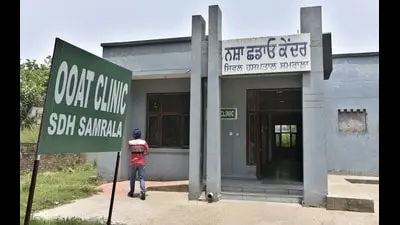
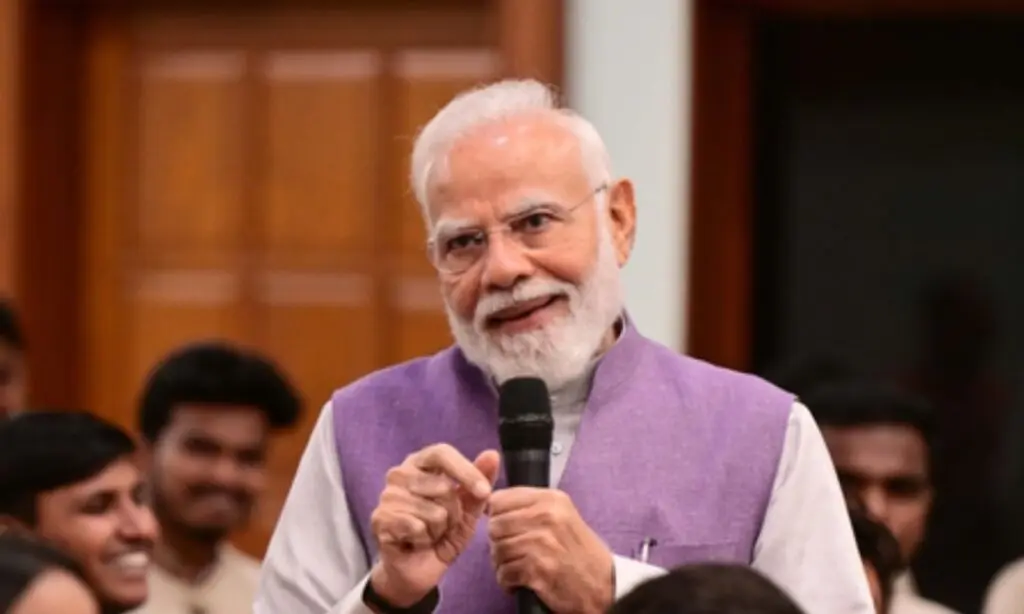
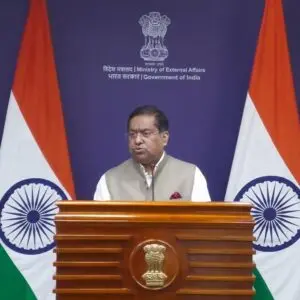
Prime Minister Narendra Modi has recognised young people who overcome addiction as 'real warriors' and called for giving them a second chance, marking a shift in India's public-health approach. The recognition strengthens the voices of people in recovery and reflects a global trend toward involving lived experience in care. This approach is particularly relevant in Punjab, where addiction requires responses beyond treatment and enforcement.
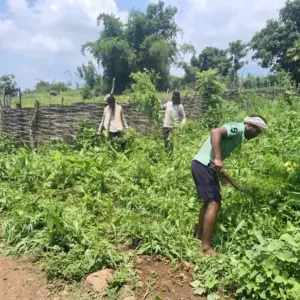
Public health professional Suneel Vatsyayan, during a recent visit to Amritsar, observed how informal interactions highlighted the link between a 'green Punjab' and a 'healthy Punjab'. A conversation with psychiatrist Dr JPS Bhatia underscored how trauma can pass across generations, reinforcing that addiction must be understood holistically. Experts say recovery depends on functional families, peer support, meaningful work, and communities that foster hope and belonging, not just medical treatment.
The Vidhan Sabha Committee on Government Assurances has noted that large-scale procurement of medicines like buprenorphine cannot ensure recovery by itself, recommending stronger counselling and psychosocial support. Questions remain about why government rehabilitation centres are underutilised while private facilities are overcrowded, and why investment in medicines far exceeds investment in social work and family support.
Indian Opinion Analysis
India's drug policy has long been enforcement-heavy under the NDPS Act, with rehabilitation receiving far less funding and attention. The PM's framing of recovering addicts as 'warriors' signals a potential reorientation, but the real test will be in budget allocation and institutional reform. Punjab, which accounts for a disproportionate share of opioid abuse cases, has seen rehabilitation centres operate at low occupancy even as addiction rates climb. The key number to watch is the ratio of spending on medicines versus psychosocial support in the next state health budget, and whether peer-counsellor programmes get formal government backing.
Source: hindustantimes.com
This story was synthesised by AI from the source linked above. Methodology and corrections.