







Now Reading: Privacy cannot be absolute bar to state surveillance, legal experts debate
-
01
Privacy cannot be absolute bar to state surveillance, legal experts debate

Privacy cannot be absolute bar to state surveillance, legal experts debate

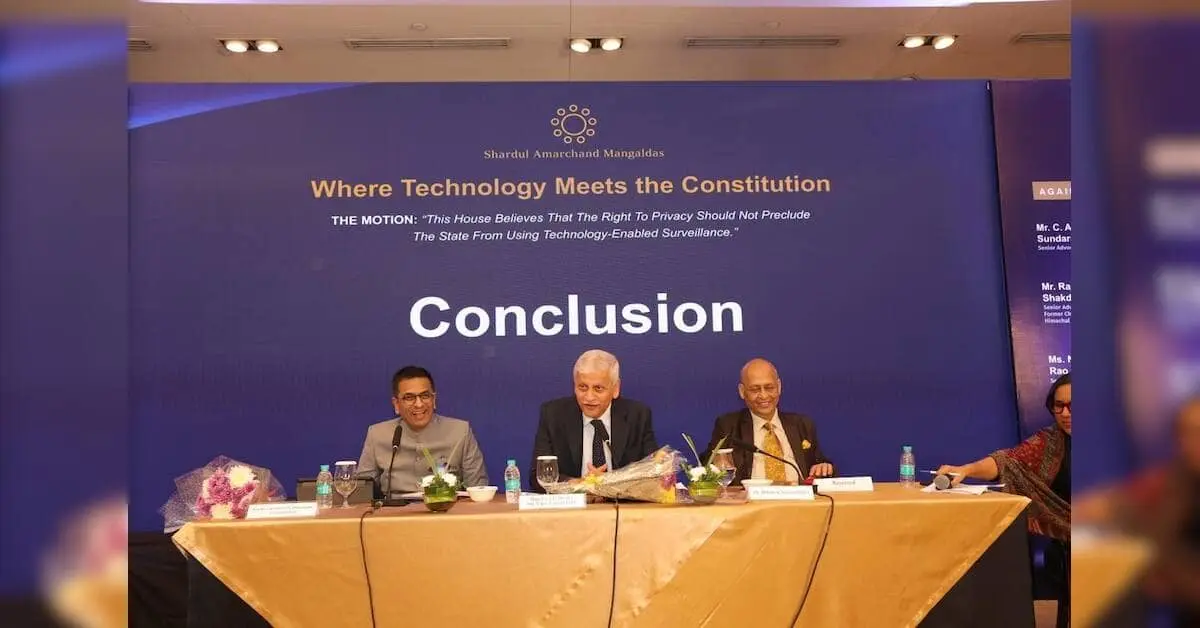
The Story in Brief
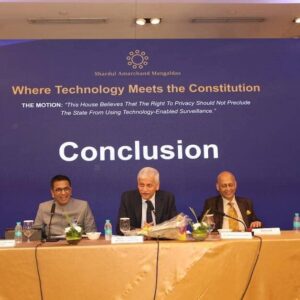
Senior advocates and former chief justices debated the balance between privacy and state surveillance at an event in New Delhi on 22 November, organised by Shardul Amarchand Mangaldas & Co. The motion was: ‘This House Believes That the Right to Privacy Should Not Preclude the State from Using Technology-Enabled Surveillance’.
Supporting the motion, former Additional Solicitor General Pinky Anand argued surveillance was necessary to counter terrorism and cybercrime, citing the 2008 Mumbai attacks. Opposing it, senior advocate C A Sundaram warned that access to financial records could expose intimate details of life. Former Himachal Pradesh High Court Chief Justice Rajiv Shakdher said surveillance must meet the constitutional tests of legality, legitimate purpose and proportionality from the 2017 privacy judgment.
Indian Opinion Analysis
Business Standard led with the motion and the argument that privacy is not an absolute bar, while Bar and Bench led with Justice Chandrachud’s question on facial recognition at protests versus at the Mahakumbh. Both outlets reported the same event, speakers and lines of argument. The difference is in emphasis: Business Standard foregrounded the pro-surveillance framing, Bar and Bench the civil-liberties questioning. The balanced reading is that neither side disputed the Puttaswamy framework, the debate turned on whether existing safeguards are adequate. Both covered Justice Chandrachud’s question about whether a police standing order can authorise identification of protesters.
The event ended without a verdict or next step, leaving the question of legislative framework for facial recognition technology open.
Coverage: 2 sources, 2 neutral
Sources (2): business-standard.com (neutral report), barandbench.com (neutral report)
This brief was synthesised by AI from the 2 sources linked above, so one read covers every framing they carry. Methodology and corrections.