










Now Reading: PRS report finds Himachal’s fiscal health far weaker than national average
-
01
PRS report finds Himachal’s fiscal health far weaker than national average

PRS report finds Himachal’s fiscal health far weaker than national average

The Story in Brief
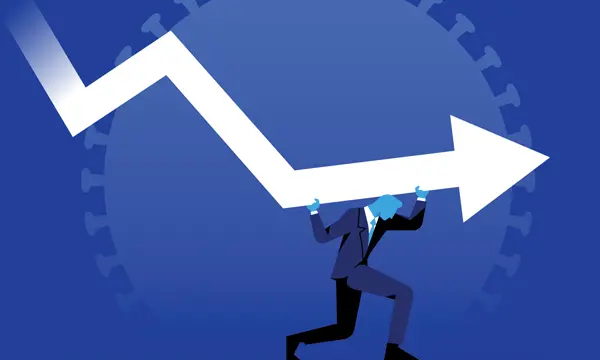
Himachal Pradesh’s fiscal indicators lag significantly behind the national average, according to the State of State Finances 2026-27 report by PRS Legislative Research. The state spends 90% or more of its total expenditure on revenue items, against an all-state average of 82%. Committed expenditure on salaries, pensions and interest is budgeted at Rs 35,641 crore, consuming 88% of estimated revenue receipts, compared with a national state average of 52%.
Himachal’s own-tax revenue is estimated at 5.5% of its GSDP, well below the all-state average of 7%. Outstanding liabilities are pegged at 40.5% of GSDP by end of 2026-27, against a consolidated state debt ratio of about 28%. The Tribune reports that capital outlay has crashed to Rs 3,090 crore for 2026-27, from Rs 10,229 crore in the revised estimates for 2025-26, a decline of Rs 7,139 crore.
The revenue deficit is budgeted at 2.4% of GSDP, while the consolidated revenue deficit for states is approximately 0.2% of GDP. Himachal allocates only about 2% of revenue receipts to unconditional cash transfers, whereas several states such as West Bengal, Andhra Pradesh and Telangana spend over 10%. The PRS analysis underscores the structural challenge the state faces in balancing debt, recurring commitments and development investment.
Indian Opinion Analysis
Both Himachal Scape and The Tribune present the same PRS data as a stark warning, but differ in emphasis. Himachal Scape frames the figures as a structural challenge for a hill state with geographical constraints and includes a line that recent court-case wins by the Sukhu government will contribute in days to come, a nod to government prospects. The Tribune leads with Himachal ‘topping’ the country in committed spending and highlights the 70% crash in capital outlay, a more alarming angle that foregrounds asset-creation failure. The Tribune also notes that the revenue deficit has risen steadily post-Covid, adding a temporal context missing from Himachal Scape. Both sources agree on every figure and on the core finding: the state’s limited fiscal space leaves little room for infrastructure investment while debt and committed liabilities remain high.
Coverage: 2 sources, 1 government-critical, 1 neutral
Sources (2): himachalscape.com (neutral report), tribuneindia.com (government critical)
This brief was synthesised by AI from the 2 sources linked above, so one read covers every framing they carry. Methodology and corrections.