























Now Reading: PSB asset quality beats private banks in Q1
-
01
PSB asset quality beats private banks in Q1


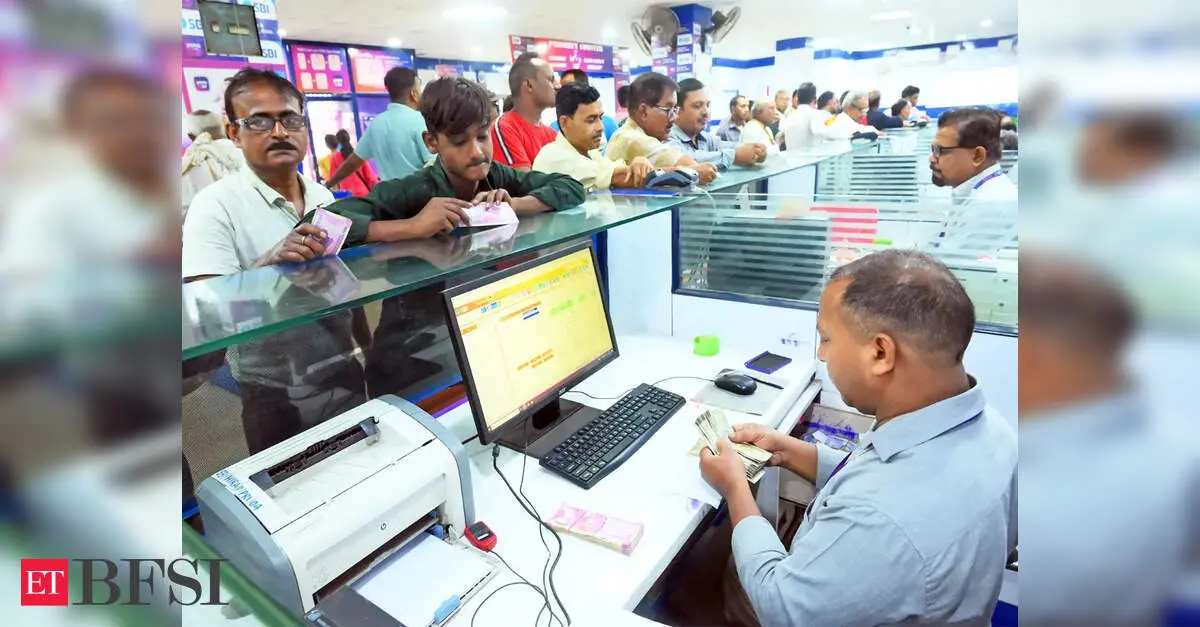
Public sector banks reported gross loan slippages of around 0.7% in Q1FY27, less than half the 1.7% seen at private banks, despite macroeconomic pressures from currency, crude and climate. Overall systemic gross slippages rose to 1.2% sequentially but stayed below 1.4% a year earlier, according to ICICI Securities. PSB SME slippages improved in Q1 after rising in Q4FY26, and the SMA pool in MFI and unsecured segments also improved.
However, ET reports that PSBs are turning to borrowings to fund lending as deposits lag credit growth. Borrowings by PSBs surged 29% year-on-year in the June quarter versus 3% for private banks. Private banks grew deposits 14.3% year-on-year, ahead of the 10.7% at PSU banks. Bernstein said PSBs' reliance on borrowings could drag net interest margins. Macquarie noted PSBs' loan-to-deposit ratio rose sharply to 81% from 77% year-on-year, while private banks' LDR rose modestly to 92%.
Indian Opinion Analysis
The two ET reports frame the same data differently. The BFSI edition leads with PSB asset quality as a strength, emphasising lower slippages and stable credit costs. The main edition leads with a funding vulnerability, highlighting rising borrowings and deposit share loss. Each is accurate but incomplete alone: PSBs have better asset quality but weaker deposit franchises, while private banks have higher slippages but better-funded growth. The key indicator is whether PSBs can improve deposit mobilisation in coming quarters without hurting margins. The RBI's monthly deposit and credit data will show if the trend deepens.
Coverage: 2 sources, 1 government-critical, 1 neutral
Sources (2): bfsi.economictimes.indiatimes.com (neutral report), economictimes.indiatimes.com (government critical)
This brief was synthesised by AI from the 2 sources linked above, so one read covers every framing they carry. Methodology and corrections.
Updated: this story now draws on 2 sources.