






Now Reading: Pune EV registrations surge 230%, Haryana starts free EV registration
-
01
Pune EV registrations surge 230%, Haryana starts free EV registration


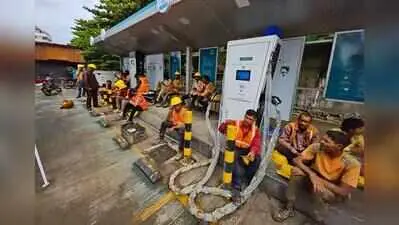
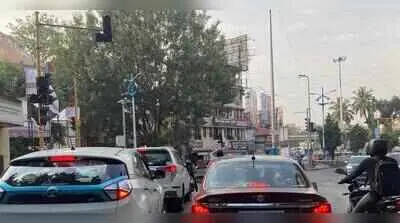
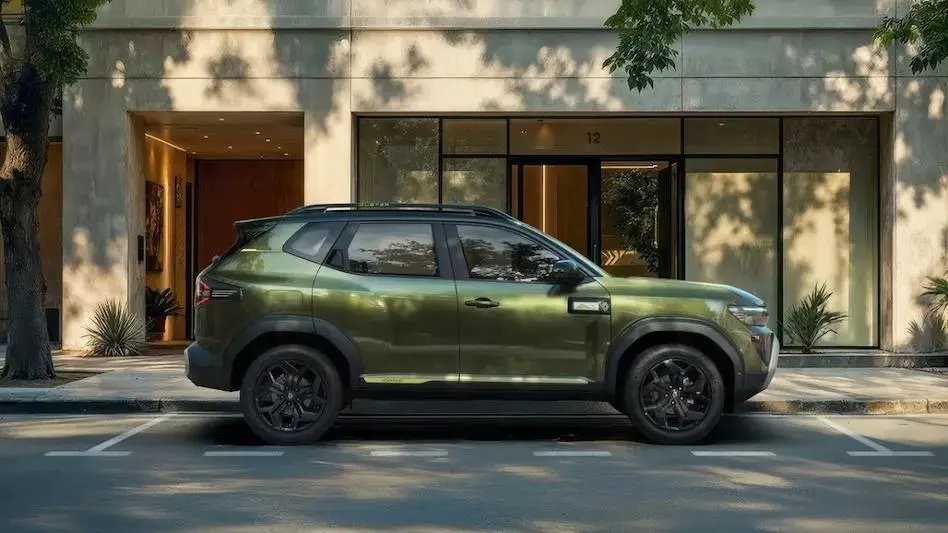
Pune has recorded an unprecedented surge in electric vehicle registrations. Between January and July, the Pune RTO registered 5,887 electric four-wheelers, a 230% jump over the same period last year. Registrations of EV two-wheelers rose 134% to 21,551. An RTO official said such a spike had not been seen before. Dealers cited better battery technology, lower running costs, and rising petrol prices at Rs 111.52 per litre as drivers.
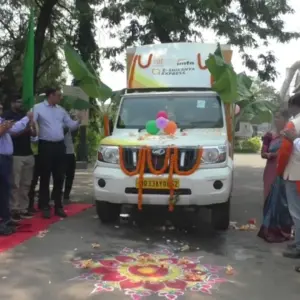
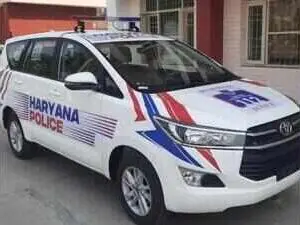
In Haryana, free registration of electric vehicles has begun in Gurugram under a new policy. Battery-operated EVs priced up to Rs 30 lakh get a full motor vehicle tax exemption, those priced above get a 50% exemption. Deputy Commissioner Uttam Singh said the move would promote clean mobility and reduce pollution. Separately, the Commission for Air Quality Management said no new diesel or petrol light goods vehicles under 3,500 kg can be registered in Delhi from January 2027 and across NCR districts from July 2027.
Indian Opinion Analysis
Both stories report EV policy advances but frame different geographies and incentives. Times of India leads with Pune's registration surge and consumer savings, attributing growth to fuel costs and improving EVs. Hindustan Times leads with Haryana's tax exemption announcement and Delhi-NCR LGV ban, giving the government's environmental rationale without scrutiny. Neither story questions implementation timelines or subsidy costs. The combined coverage shows expanding state-level EV push but leaves unexamined whether tax exemptions and registration spikes translate to sustained adoption or primarily pull forward existing demand. Fuel price sensitivity as the main driver is a vulnerability if global crude falls.
Coverage: 2 sources, 1 pro-government, 1 neutral
Sources (2): timesofindia.indiatimes.com (neutral report), hindustantimes.com (pro government)
This brief was synthesised by AI from the 2 sources linked above, so one read covers every framing they carry. Methodology and corrections.
Updated: this story now draws on 2 sources.