








Now Reading: Rahul Dravid urges patience for prodigy Vaibhav Sooryavanshi
-
01
Rahul Dravid urges patience for prodigy Vaibhav Sooryavanshi


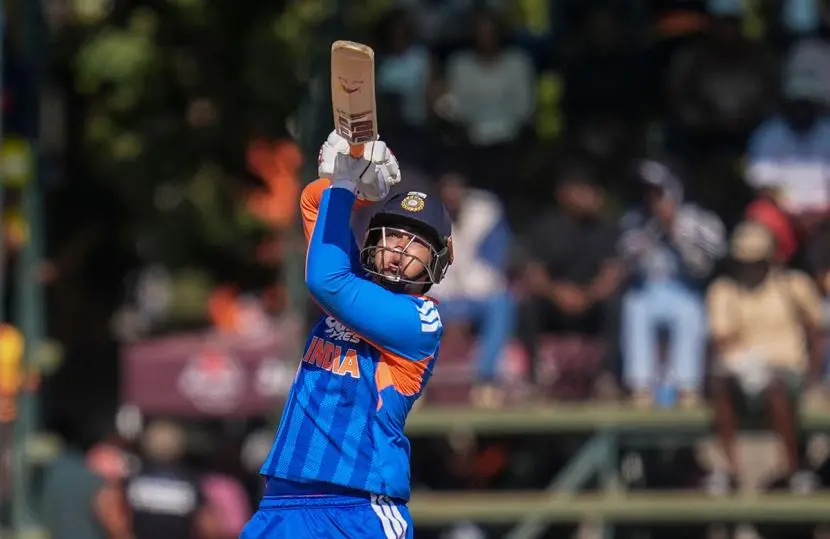
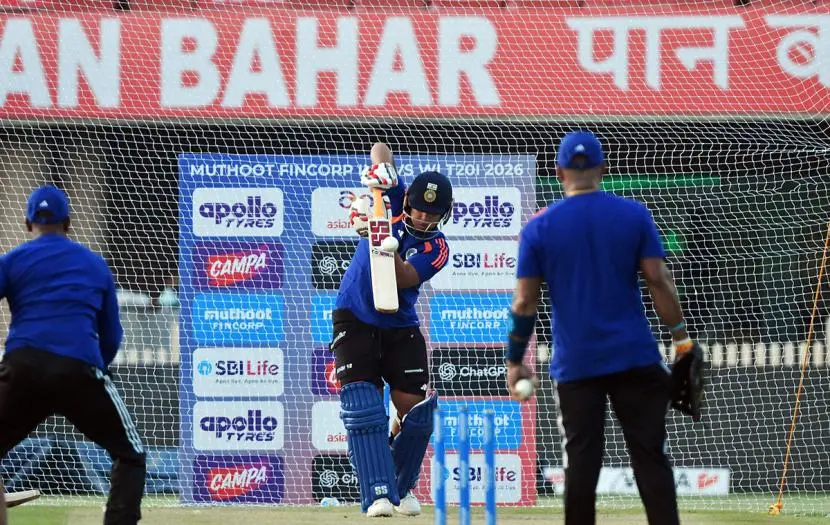
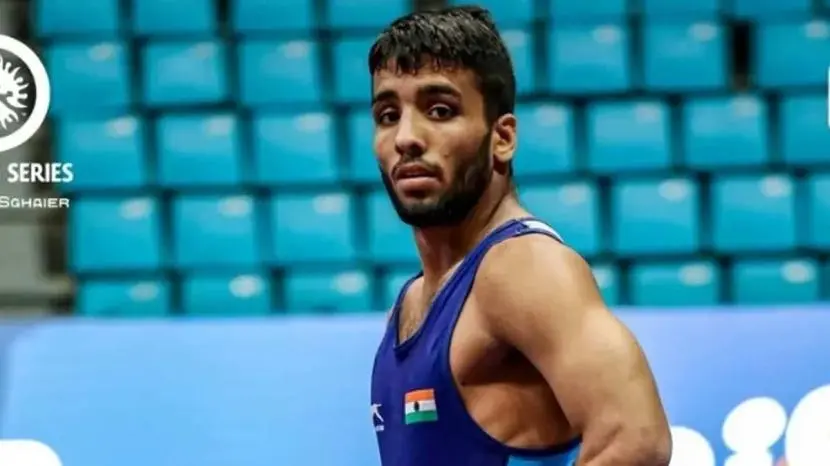
Rahul Dravid has advised 15-year-old batting prodigy Vaibhav Sooryavanshi to balance his white-ball success with sustained red-ball exposure, cautioning against rushing his development. The former India captain and head coach said Test cricket needs young stars capable of playing all formats. Sooryavanshi will feature as vice-captain for East Zone in the upcoming Duleep Trophy.
Sooryavanshi made a spectacular T20I debut for India at 15 years and 99 days, scoring 151 runs in three innings in Zimbabwe at a strike rate of 196.10. His overall T20 record shows 1,670 runs in 40 innings at an average of 42.82. However, his first-class numbers remain modest: 207 runs in 12 innings at an average of 17.25, with one fifty. Dravid stressed that the teenager needs time and patience, saying his journey will include ups and downs.
The Duleep Trophy could give Sooryavanshi two or three matches, and further red-ball exposure may come when India A hosts Australia A in September. Dravid, who worked with Sooryavanshi at Rajasthan Royals, said playing domestic red-ball cricket instead of chasing T20 opportunities worldwide is crucial for his growth into a Test cricketer.
Indian Opinion Analysis
Both reports frame Dravid's advice similarly, focusing on the need for balance and patience. Sports.ndtv.com leads with Dravid's blunt 'red ball' verdict and Sooryavanshi's age, emphasizing the challenge ahead. Rediff.com provides more detailed statistics and Dravid's direct quotes, presenting a fuller picture of the teenager's contrasting white-ball and red-ball records. Neither outlet criticizes the player or the system, both adopt a neutral, developmental tone. The key takeaway is the stark gap between Sooryavanshi's T20 exploits and his first-class struggles. Watch for his performance in the Duleep Trophy starting this week, which will be an early test of his red-ball progress.
Coverage: 3 sources, 2 neutral
Sources (3): sports.ndtv.com (neutral report), rediff.com (neutral report), cricinfo.com
This story was synthesised by AI from the 3 sources linked above. Methodology and corrections.
Updated: this story now draws on 3 sources.