




















Now Reading: RBI cuts FCNR(B) swap deadline to August 31, banks scramble
-
01
RBI cuts FCNR(B) swap deadline to August 31, banks scramble



The Reserve Bank of India has shortened the deadline for its special FCNR(B) deposit swap facility to August 31 from September 30, citing an encouraging response that saw forex inflows of $52.3 billion as of August 13. The scheme, introduced on June 8, allows NRIs to hold deposits in foreign currencies without INR exposure, with interest typically exempt from Indian income tax. Livemint reports that the early closure compresses transactions banks had expected to execute over a longer period, leaving lenders scrambling to raise funds before the window shuts.
ICICI Bank, Kotak Mahindra Bank and IDFC First Bank have tapped the offshore market since the closure announcement. Treasury officials quoted by Livemint warn of deployment challenges: banks that have raised billions of dollars may struggle to lend immediately and could face negative carry if deposit costs exceed investment returns. Government bond yields have risen, with the 10-year benchmark up 5 basis points to 6.82%. However, RBI governor Sanjay Malhotra told Financial Express he expects at least $80 billion through a mix of FCNR, ECB and OFCB instruments.
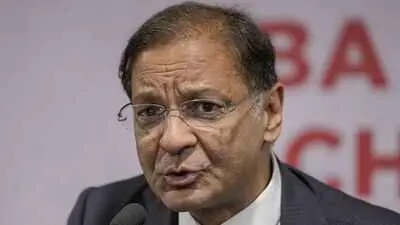
Ankur Choudhary, CEO of Belong, told Livemint the window is relevant for NRIs seeking higher foreign currency returns but comes with a 3-5 year lock-in and potential penalties for premature withdrawal. Regular FCNR(B) deposits remain available after August 31, though interest rates are likely to fall once the special swap facility ends. The RBI has not responded to queries about the early closure.
Indian Opinion Analysis
Both Livemint stories report the same RBI decision, but with different framings. The first article focuses on NRI investor opportunity, presenting expert advice on lock-in periods, tax implications and suitability. The second article foregrounds banking system stress: deployment challenges, negative carry risk and yield curve disruption. Neither is pro-government or critical, both are neutral-report in style. The measured read is that the early closure reflects strong demand, but the compressed timeline creates genuine operational strain for lenders and uncertainty for short-term deposit markets. Watch how banks deploy the funds over the next two weeks and whether RBI intervenes to ease liquidity conditions.
Coverage: 2 sources, 2 neutral
Sources (2): livemint.com (neutral report), livemint.com (2) (neutral report)
This story was synthesised by AI from the 2 sources linked above. Methodology and corrections.
Updated: this story now draws on 2 sources.