





















Now Reading: RBI sets final leverage ratio rules, effective April 1 2027
-
01
RBI sets final leverage ratio rules, effective April 1 2027


The Story in Brief
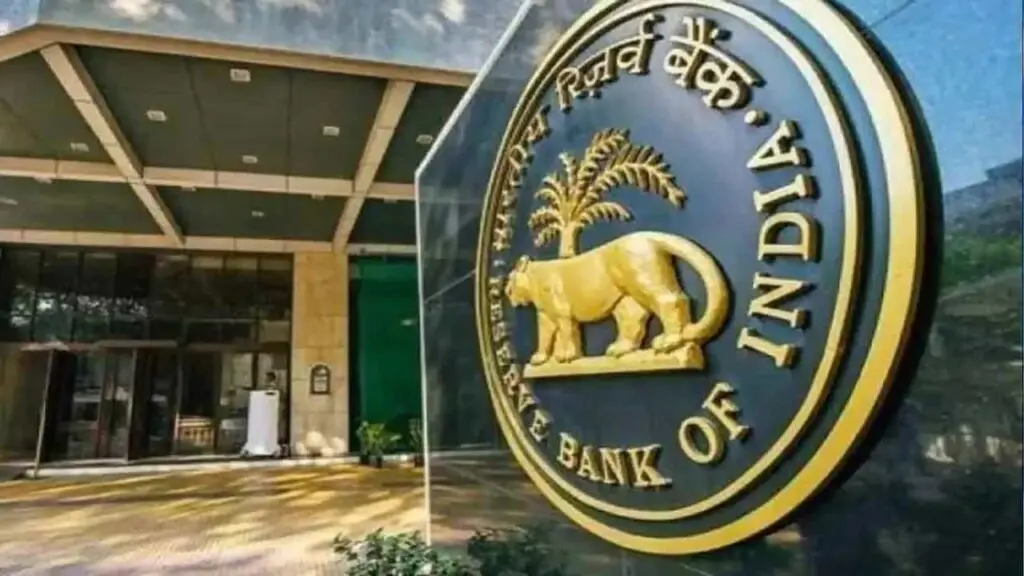
The Reserve Bank of India on Friday, 23 October 2026 issued final leverage ratio requirements for commercial banks, to take effect from April 1, 2027. Domestic systemically important banks (D-SIBs) must maintain a minimum leverage ratio of 4%, while other commercial banks need a ratio of 3.5%. Branches of global systemically important banks (G-SIBs) in India must hold a minimum of 3.5% plus an applicable buffer.
The final rules follow a draft issued on 7 August. The Economic Times reports that banks had proposed aligning the G-SIB requirement with the Basel minimum of 3%, but the RBI rejected the request. CNBC TV18 adds that the RBI also turned down requests to extend the implementation timeline. Banks failing to meet the ratio will face restrictions on capital distribution, including limits on repatriating profits.
Indian Opinion Analysis
The three sources cover the same event with uniform straight reporting: the RBI's final leverage ratio rules. All note that banks sought a lower 3% threshold for G-SIBs and a later start date, and that the RBI rejected both requests. The RBI press release does not mention the banks' requests at all, while the Economic Times and CNBC TV18 foreground the rejection as a key fact. The balanced reading is that the RBI kept its proposed calibration and timeline intact despite industry pushback. The next concrete step is implementation on 1 April 2027.
Coverage: 3 sources, 3 neutral
Sources (3): economictimes.indiatimes.com (neutral report), rbi.org.in (neutral report), cnbctv18.com (neutral report)
This brief was synthesised by AI from the 3 sources linked above, so one read covers every framing they carry. Methodology and corrections.