


















Now Reading: Ronald Ross discovery 1897 linked mosquitoes to malaria
-
01
Ronald Ross discovery 1897 linked mosquitoes to malaria


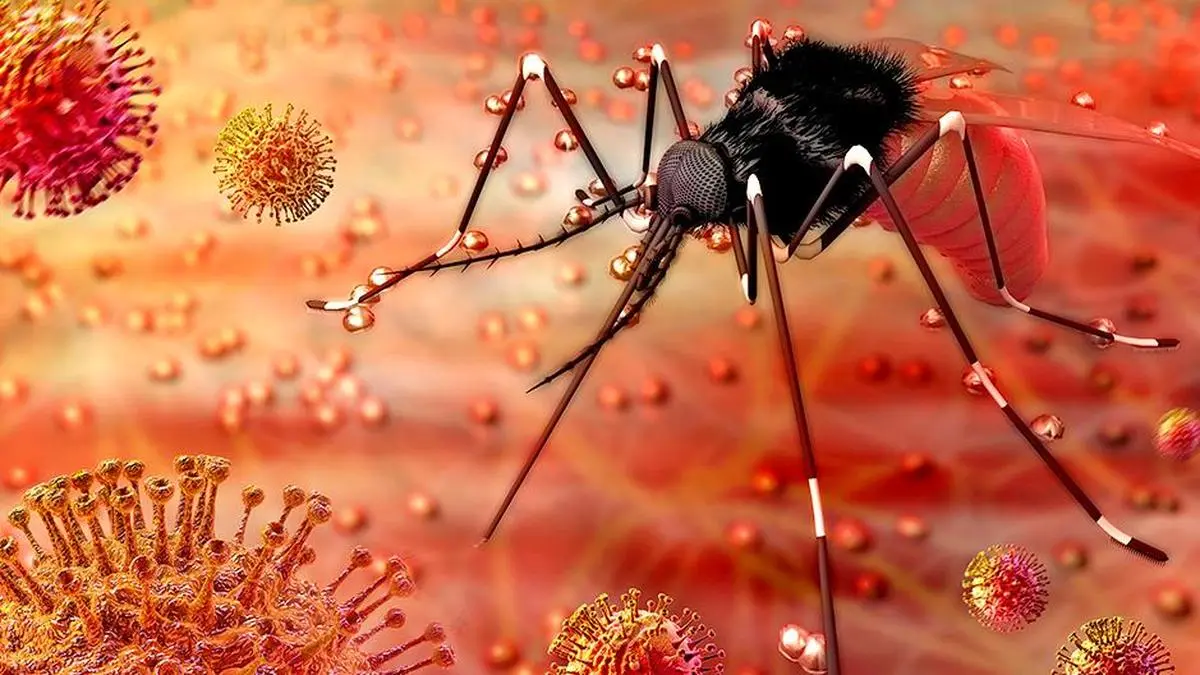
On August 20, 1897, British medical officer Ronald Ross, working in a laboratory in Secunderabad, discovered that malaria parasites develop inside mosquitoes. By dissecting mosquitoes that had fed on malaria patients, Ross proved the insects were not passive carriers but hosts where the parasite completes part of its lifecycle. The finding, commemorated as World Mosquito Day, earned Ross the Nobel Prize in 1902.

Ross's work built on earlier identification of the malaria parasite by Alphonse Laveran in 1880, and on Patrick Manson's suspicion that mosquitoes transmitted the disease. Italian scientists later confirmed the full transmission cycle in humans through Anopheles mosquitoes. The discovery transformed malaria control from targeting 'bad air' to practical measures: draining stagnant water, using mosquito nets, and applying insecticides.
Indian Opinion Analysis
Before Ross's discovery, malaria killed roughly a million people annually in India alone, with no known cause beyond folk association with marshes. The 1919 Madras City Municipal Corporation Act, cited in the source, directly traces its building-plan powers to this new understanding: regulating drainage and sewage was a public health measure against mosquito breeding. Today, mosquitoes remain the deadliest animal to humans, causing over 7 lakh deaths globally each year from malaria, dengue and other diseases. India's National Vector Borne Disease Control Programme reports about 1.5 lakh malaria cases annually, down from 2 crore in the 1950s. The next challenge is insecticide resistance, monitored through the government's 2023-2027 strategic plan.
World Mosquito Day on August 20 remains a marker of how a single microscopic observation reshaped urban planning and public health policy across the subcontinent.
Source: thehindu.com
This story was synthesised by AI from the source linked above. Methodology and corrections.