


















Now Reading: Satheesan completes 100 days with debt at 35.5% of Kerala GDP
-
01
Satheesan completes 100 days with debt at 35.5% of Kerala GDP



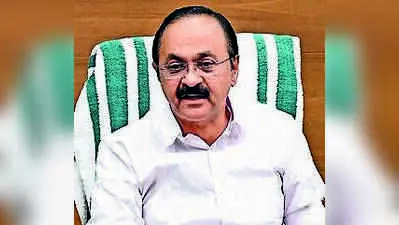
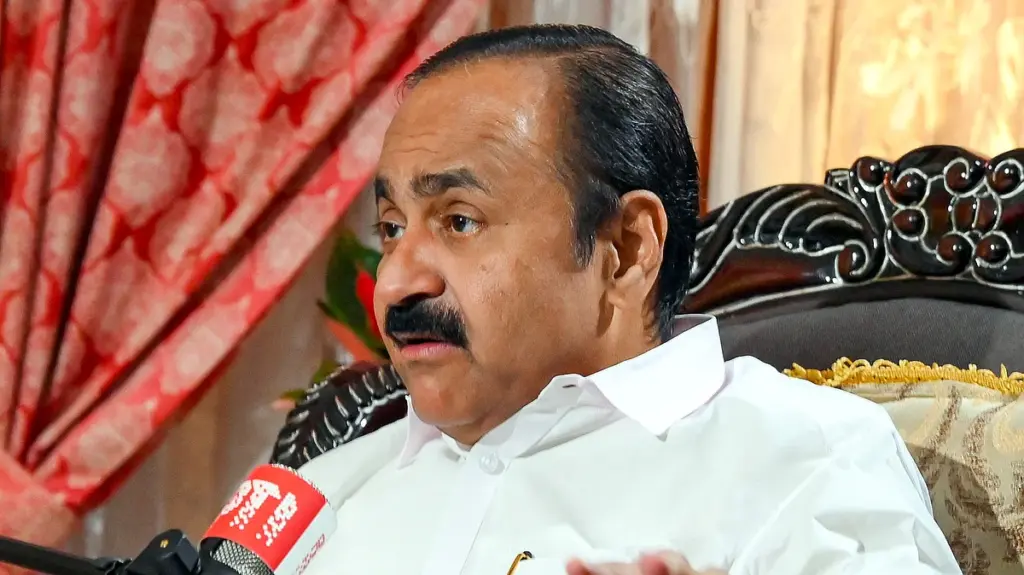
V D Satheesan marks 100 days as Kerala chief minister with a White Paper showing state debt at 35.5% of GDP and committed expenditure, salaries, pensions and interest, consuming 77% of revenue. The Congress-led UDF won 102 of 140 seats in the 2026 election after Satheesan, a six-term MLA never before a minister, revitalised the party and negotiated factional claims from senior leaders K C Venugopal and Ramesh Chennithala.

The government has launched Mission Samudra to link ports and plans to turn Kerala into an aviation hub, but results will take time. Satheesan's maiden budget stressed technology-driven health and education, job creation, and tighter tax collection to fund welfare promises including universal health insurance, higher pensions and free bus travel for women. The opposition is described as discredited, but an antagonistic Union government and deepening Gulf crisis add pressure on the state's finances.
Indian Opinion Analysis
The 77% committed-expenditure ratio means Kerala has almost no room for new borrowing or capital spending without breaching the Fiscal Responsibility and Budget Management Act ceiling of 35% of GSDP for debt. The White Paper's bleak finding echoes the Kerala Financial Code of 2022, which first flagged the pension-and-salary trap. The real test is not Satheesan's political skill but his ability to shift the state's tax-to-GSDP ratio, stuck at 7.2%, towards the national average of 11.5% without stalling consumption. The Gulf remittance slowdown, remittances dropped 12% in 2025, tightens that space further. The key date to watch is the December 2026 mid-year review, which will show whether the zero-evasion pledge is producing revenue or just rhetoric.
Source: deccanherald.com
This brief was synthesised by AI from the source linked above. Methodology and corrections.