









Now Reading: Bengaluru gallery exhibit spotlights India’s quantum pioneers
-
01
Bengaluru gallery exhibit spotlights India’s quantum pioneers


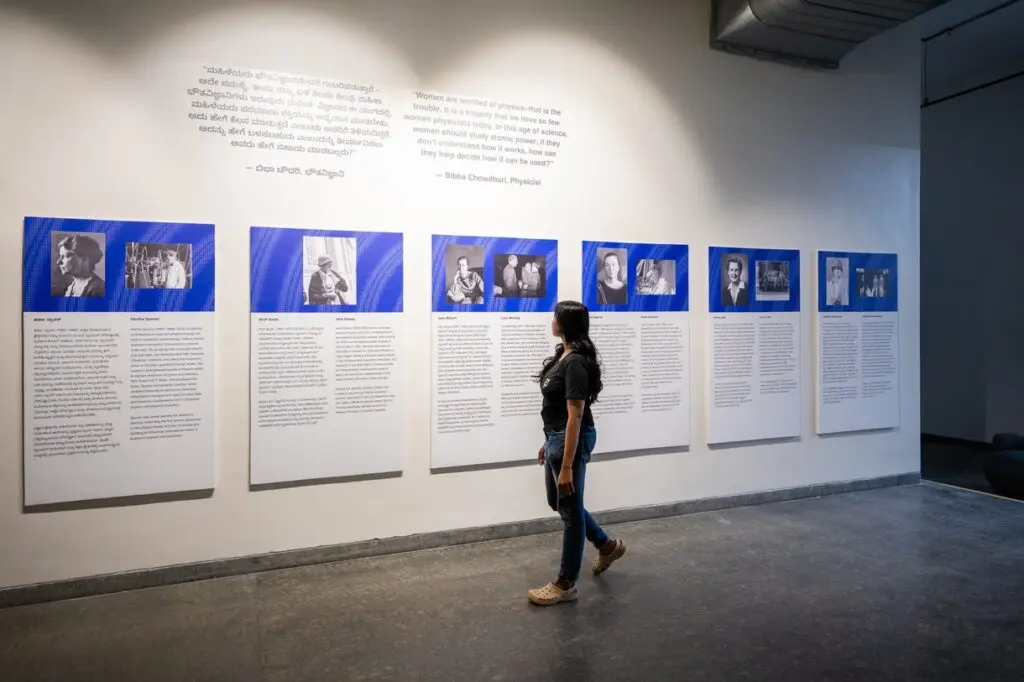
Science Gallery Bengaluru has opened a new exhibition season titled 'Quantum', featuring 34 works of science, art, and design across four disciplines and six countries. The gallery describes the showcase as 'an exhibition-season built around not knowing', designed to spark conversation rather than teach facts. The exhibition includes 'India's Quantum Story', tracing the country's contributions through archival material, and 'Women in Quantum Physics', highlighting overlooked physicists.
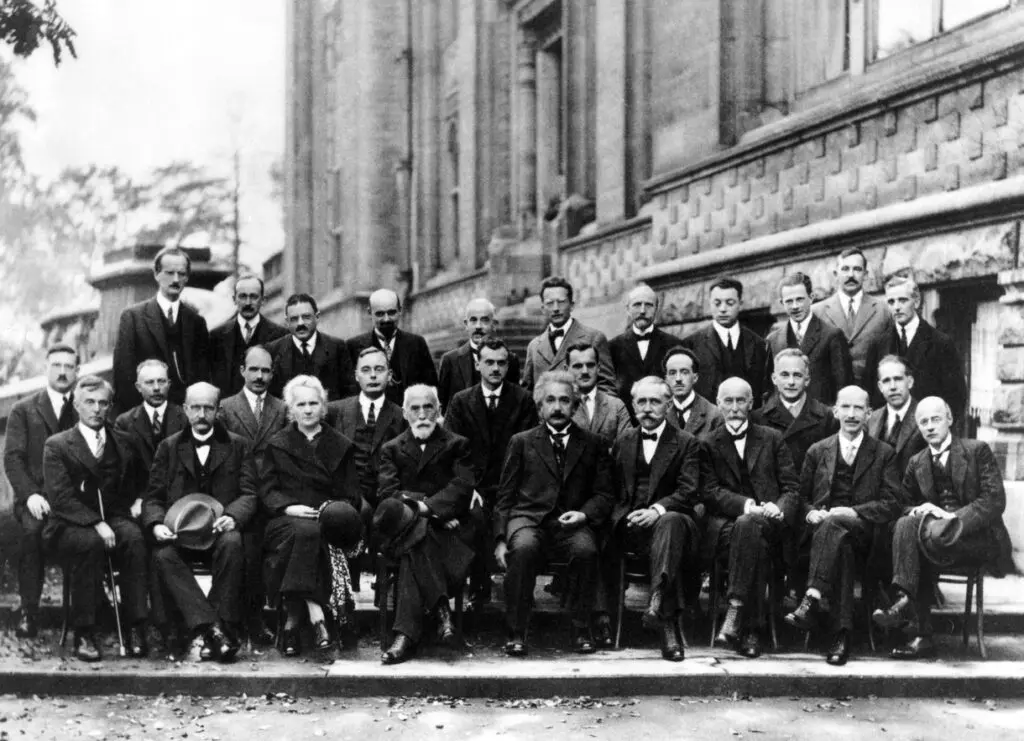
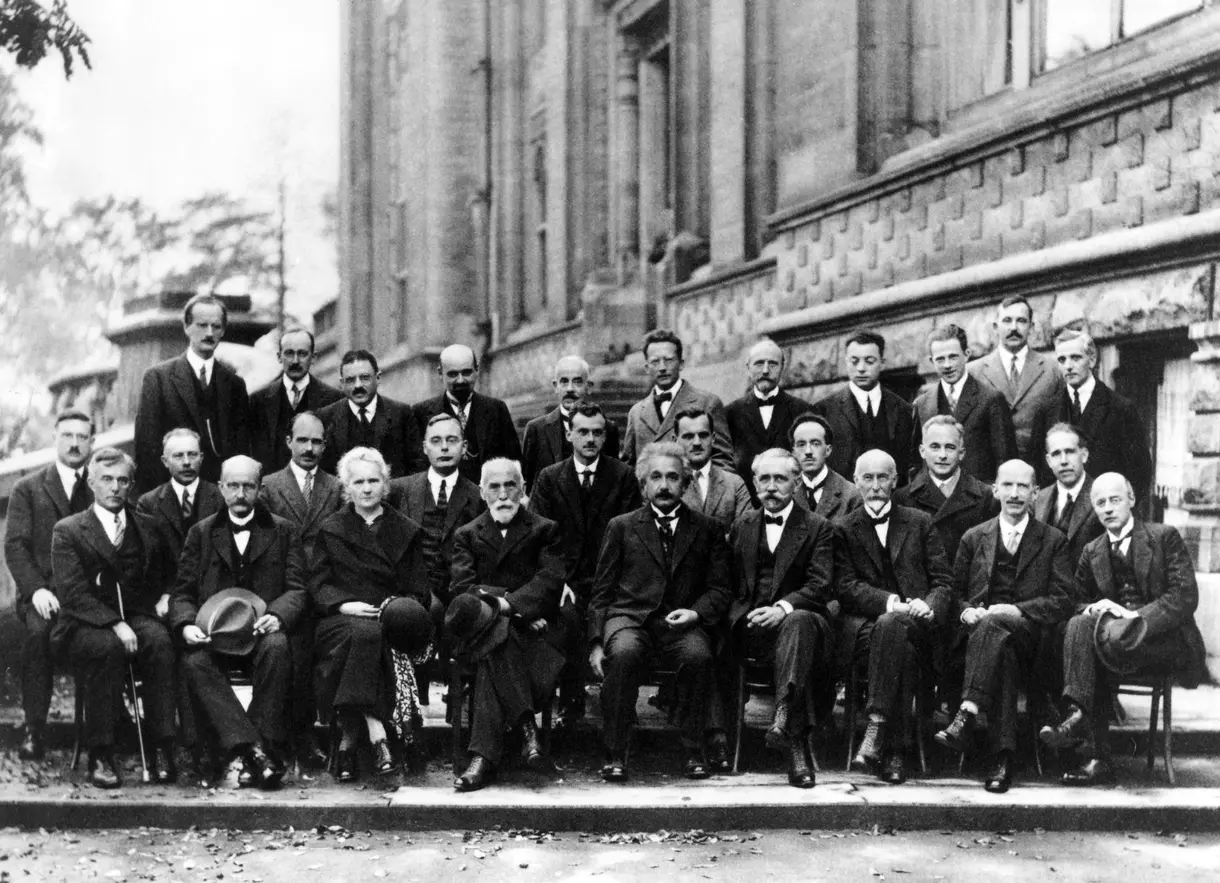
A central theme of the exhibition is the absence of Indian physicist Satyendra Nath Bose from the famous 1927 Solvay Conference photograph, which included 29 leading quantum physicists but only one woman, Marie Curie. Bose had derived Planck's blackbody law using a new method in 1924, and after his paper was rejected by a London journal, he sent it to Albert Einstein, who translated it and arranged its publication in a German journal. Einstein later extended Bose's work to massive particles, leading to Bose-Einstein statistics and the prediction of the Bose-Einstein condensate. Despite this collaboration, Bose was not invited to the Solvay Conference. The late Indian astrophysicist Jayant Narlikar ranked Bose's 1924 work third among the top 10 achievements of 20th-century Indian science and called it Nobel Prize-class.
The exhibition aims to address who is remembered in quantum physics and why, using archival material and interactive installations to explore the field's cultural and technical dimensions.
Indian Opinion Analysis
Swarajyamag's coverage frames the exhibition primarily as a corrective to the historical record, foregrounding the exclusion of Indian scientist Satyendra Nath Bose from the Solvay Conference photograph and the gallery's effort to recover forgotten contributions. The article leads with Bose's story and Narlikar's Nobel-class ranking, a clearly pro-Indian-science framing that treats Bose's absence as an injustice. The same source could have framed the exhibition as a science-art showcase or a public engagement experiment, instead, it chose the lost-pioneer angle. A reader should note that while Bose's omission from Solvay is real, the article does not examine whether Bose was nominated or whether other non-European physicists were also absent. The coverage is uniform from one outlet, so the key takeaway is the exhibition's deliberate effort to challenge who gets remembered in science history.
Coverage: 2 sources, 1 pro-government
Sources (2): swarajyamag.com (pro government), swarajyamag.com (2)
This story was synthesised by AI from the 2 sources linked above. Methodology and corrections.
Updated: this story now draws on 2 sources.