















Now Reading: SC orders Delhi govt to enforce free EWS treatment at all hospitals
-
01
SC orders Delhi govt to enforce free EWS treatment at all hospitals


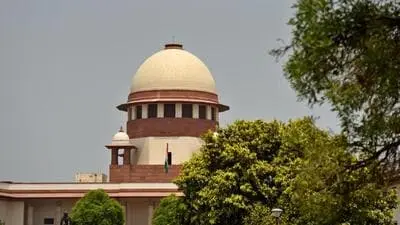
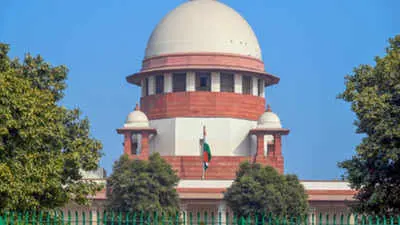
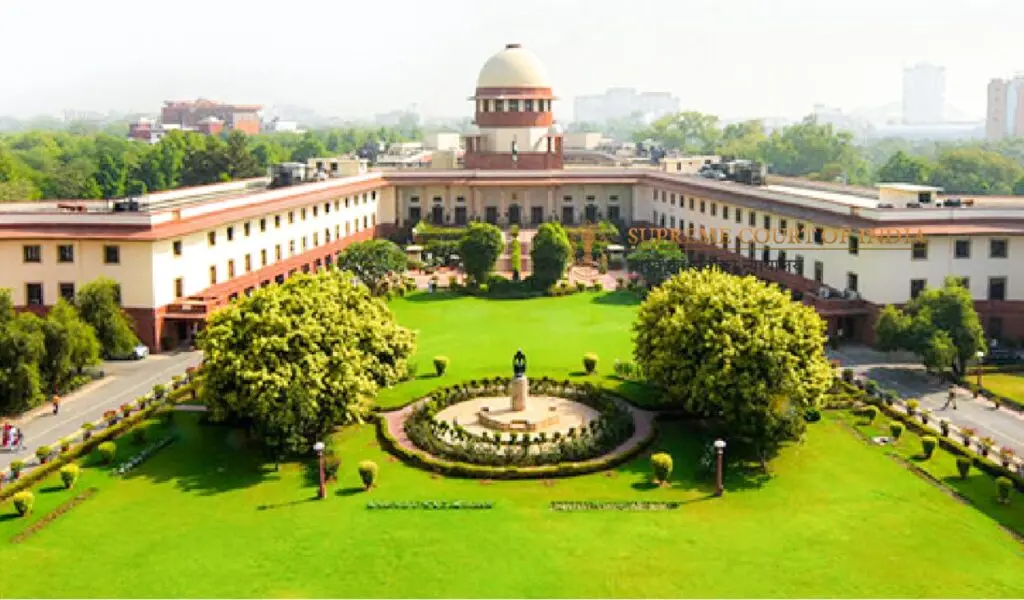
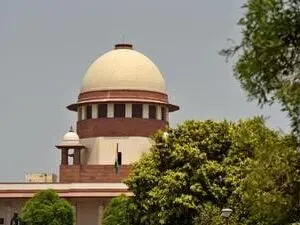
The Supreme Court on Wednesday, 30 September, directed the Delhi government to ensure that every private hospital allotted land at concessional rates provides free treatment to economically weaker section (EWS) patients. A bench of justices Prashant Kumar Mishra and Shree Chandrashekhar issued the direction while finalising guidelines to prevent denial of free care.
The court noted that hospitals beyond the 51 already listed by the Delhi government may also be bound by the lease clause. It ordered the health secretary of the GNCTD to identify and file details of such hospitals. The matter was listed for further hearing on 4 November. The court also sought the Delhi government's response on a separate plea against the Institute of Liver and Biliary Sciences (ILBS), which is accused of violating the free-treatment mandate.
The 2018 Supreme Court ruling requires all hospitals that got land at concessional rates to provide 10% free IPD and 25% free OPD treatment. A draft standard operating procedure, which bars hospitals from turning away EWS patients in emergencies even if the quota is exhausted, is to be finalised by the next hearing. ILBS allegedly received ₹800 crore in government funding but failed to comply, with the plea citing CAG findings of financial irregularities.
The amici curiae submitted that EWS patients reported being turned away by some hospitals on the ground that they were not part of the court proceedings. The list of 51 hospitals bound by the clause includes Max, Fortis, Mool Chand, Sir Ganga Ram, and others.
Indian Opinion Analysis
Hindustan Times frames the story around the court's broad directive to the Delhi government and the ongoing SOP process, while The Hindu Business Line leads with the specific ILBS plea and its allegations of financial irregularities and patient-rights violations. Both report neutrally on the court proceedings and the 2018 mandate, but Hindustan Times emphasises the administrative exercise of identifying more hospitals, and The Hindu Business Line foregrounds the CAG findings and the personal account of the petitioner. The uniform element is the 4 November hearing, which both sources cite as the next concrete step. The ILBS case adds a layer of scrutiny over public funding and compliance that the broader directive does not address.
Coverage: 2 sources, 1 government-critical, 1 neutral
Sources (2): hindustantimes.com (neutral report), thehindubusinessline.com (government critical)
This brief was synthesised by AI from the 2 sources linked above, so one read covers every framing they carry. Methodology and corrections.