













Now Reading: Scholar links kanwariya aggression to rising inequality and uncertainty
-
01
Scholar links kanwariya aggression to rising inequality and uncertainty


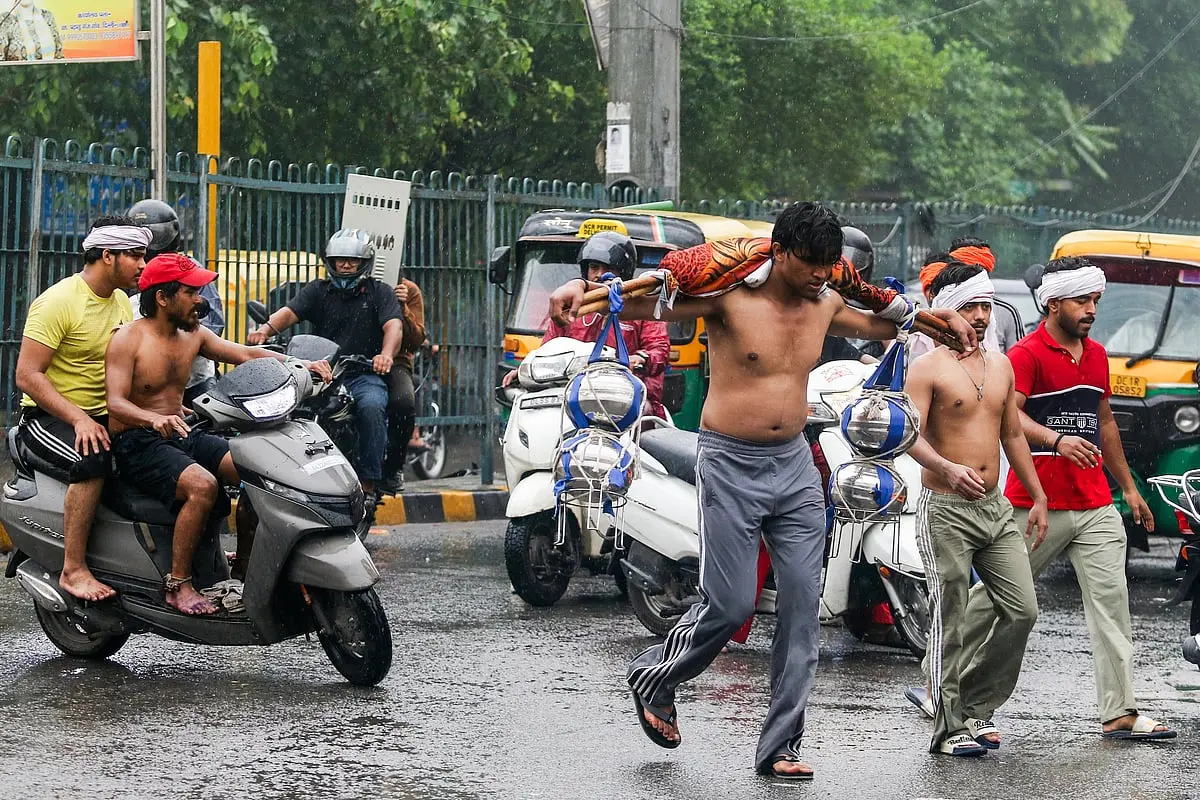
Rutgers University alumnus and author Vikram Singh has linked the aggression of kanwariya pilgrims to rising economic inequality, job scarcity, and a grim future for India's young men. In an interview with Open Magazine, Singh said the annual pilgrimage to offer water to Lord Shiva is an outlet for men left behind by a globalised economy.
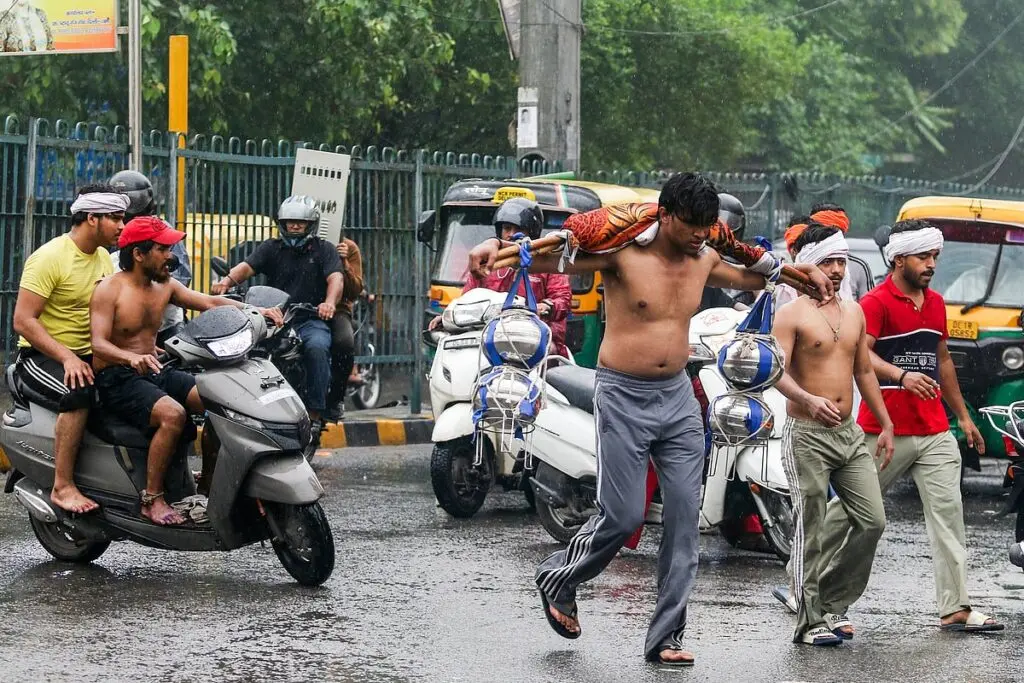
Singh, who wrote the 2017 book "Uprising of the Fools: Pilgrimage as Moral Protest in Contemporary India", said the violence and hooliganism seen on expressways and cities are a stark reminder of India's growing inequalities. He argued that life is a struggle for many, jobs are scarce, competition severe, and the future very uncertain. "It is hard to imagine a harder transition to adulthood anywhere in the world than it is for the bulk of India's young men, adored by their families, but without a future," he said.
Singh also noted that software jobs, the one reliable avenue for the last thirty years, are drying up. Government jobs number less than one for a thousand applicants. "Could conditions be any harder? What do they do, but rebel and seek refuge in Siva?" he asked.
Indian Opinion Analysis
The scholar's argument places the kanwariya phenomenon within a broader context of aspirational failure among young Indian men. Unlike analyses that focus solely on religious fervour or caste identity, this framing points to the economic despair driving what Singh calls a "moral protest". With youth unemployment stubbornly high and formal sector jobs scarce, large public rituals offer both purpose and a rare sense of agency. The next signal to watch will be whether the government's production-linked incentive schemes and the new education policy generate enough non-agricultural jobs to absorb the lakhs entering the workforce each year.
Source: openthemagazine.com
This story was synthesised by AI from the source linked above. Methodology and corrections.