



















Now Reading: Severe anaemia under 2% in most age groups, ICMR survey finds
-
01
Severe anaemia under 2% in most age groups, ICMR survey finds


The Story in Brief
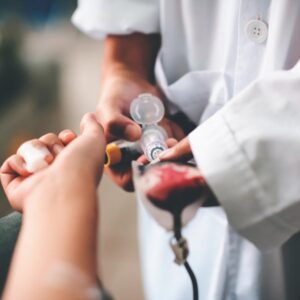
The Indian Council of Medical Research's SAMPADA survey, released on Monday (23 November 2026), shows severe anaemia affects less than 2% of people in most age groups. However, anaemia prevalence remains high among vulnerable groups: 56% among women of reproductive age, 46% among adolescent girls, and 42% among children aged 12 to 59 months, according to the survey covering over 2 lakh individuals across 183 districts.
Most cases are mild, reducing the risk of serious health consequences. Iron deficiency accounts for about half of anaemia cases in women, adolescent girls, and children. The findings show lower anaemia prevalence than previous national surveys, and officials said the data will strengthen the Anaemia Mukt Bharat programme.
Indian Opinion Analysis
Both The Hindu and The New Indian Express report the ICMR SAMPADA survey with near-identical facts and official quotes, presenting a uniform picture of the data. The coverage emphasises the low severe anaemia rate (under 2%) and the prevalence decline compared to NFHS-5, while also reporting the continued high burden among women and children. Neither outlet offers independent critique or alternative framing. The balanced reading is that the government is using the survey to highlight progress in its Anaemia Mukt Bharat mission, while the data still shows over half of reproductive-age women are anaemic. The survey was released on Monday (23 November 2026) and will inform targeted interventions under AMB 2.0.
Coverage: 2 sources, 2 neutral
Sources (2): thehindu.com (neutral report), newindianexpress.com (neutral report)
This brief was synthesised by AI from the 2 sources linked above, so one read covers every framing they carry. Methodology and corrections.