
















Now Reading: State-run banks propose priority sector lending norms for EVs, clean energy
-
01
State-run banks propose priority sector lending norms for EVs, clean energy

State-run banks propose priority sector lending norms for EVs, clean energy

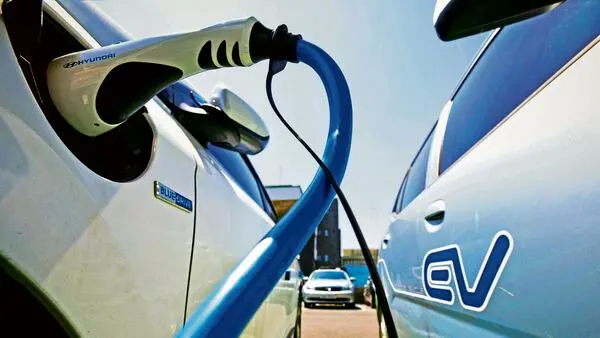
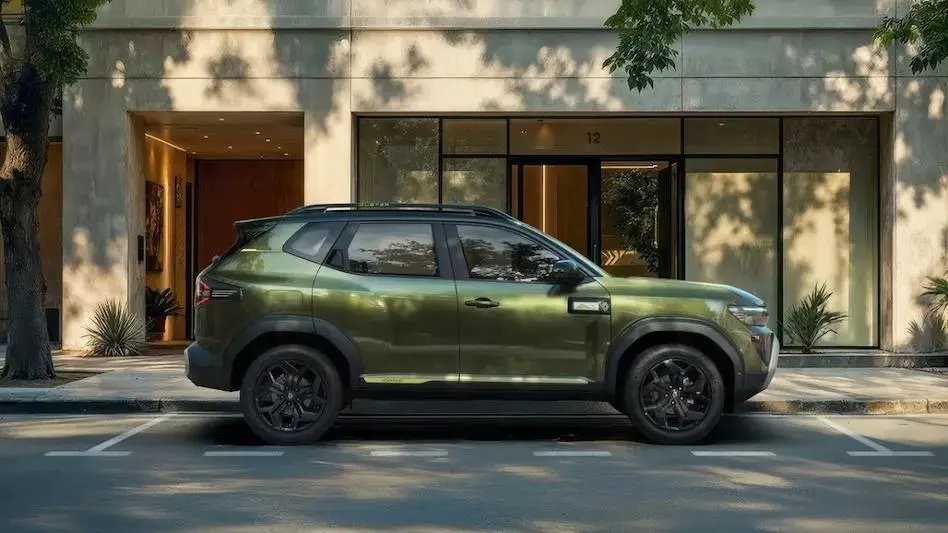
State-run banks have proposed changes to the priority sector lending (PSL) framework to create specific lending categories for electric vehicles, charging infrastructure, and climate-transition projects. The proposals include PSL-linked limits of up to Rs 2 lakh for electric two-wheelers and Rs 20 lakh for electric four-wheelers for personal use, and up to Rs 25 crore for charging and battery-swapping infrastructure.
A separate proposal seeks a ring-fenced climate and transition sub-target of 2% of adjusted net bank credit within the existing 40% PSL requirement, without increasing the overall mandate. For renewable energy, banks have suggested raising the lending limit for wind and small hydro projects to Rs 75 crore, while retaining the Rs 35 crore cap for solar photovoltaic projects, with an overall ceiling of Rs 100 crore per borrower.
The proposals were discussed at the two-day public sector bank confluence in New Delhi. They have not yet been accepted by the government or incorporated into the PSL framework. The finance ministry, the RBI, and the ministry of new and renewable energy have not responded to queries.
Indian Opinion Analysis
Before the proposal, EV buyers had no PSL route unless the buyer was an MSME, which excluded most retail consumers. Charging infrastructure had no category at all. The 2% climate sub-target would sit inside the existing 40% PSL floor, not expand it, so banks would not face a higher total obligation. The technology-differentiated caps for renewable energy reflect a real-world mismatch: a uniform Rs 35 crore limit covers far more solar capacity per rupee than wind or hydro, skewing lending toward cheaper technology regardless of policy intent. The finance ministry and RBI have not yet responded, their acceptance or rejection will determine whether lenders get a formal category for EV and climate lending, and whether retail buyers and infrastructure firms can expect easier credit in the coming fiscal year.
Source: livemint.com
This story was synthesised by AI from the source linked above. Methodology and corrections.