














Now Reading: Study: Stricter eligibility cut Rythu Bharosa spending by 45%
-
01
Study: Stricter eligibility cut Rythu Bharosa spending by 45%


The Story in Brief
An independent study by the Centre for Economic and Social Studies (CESS) has found that stricter enforcement of eligibility criteria under the Congress government's Rythu Bharosa scheme reduced expenditure from Rs 13,576 crore in 2023-24 to Rs 7,481 crore in 2024-25, a drop of 45 per cent. The study, part of the report ‘Public Finances of Telangana: Trends, Challenges and Policy Priorities’, analysed three major schemes since the formation of Telangana, including Rythu Bharosa, 24X7 free power and Aasara pensions.
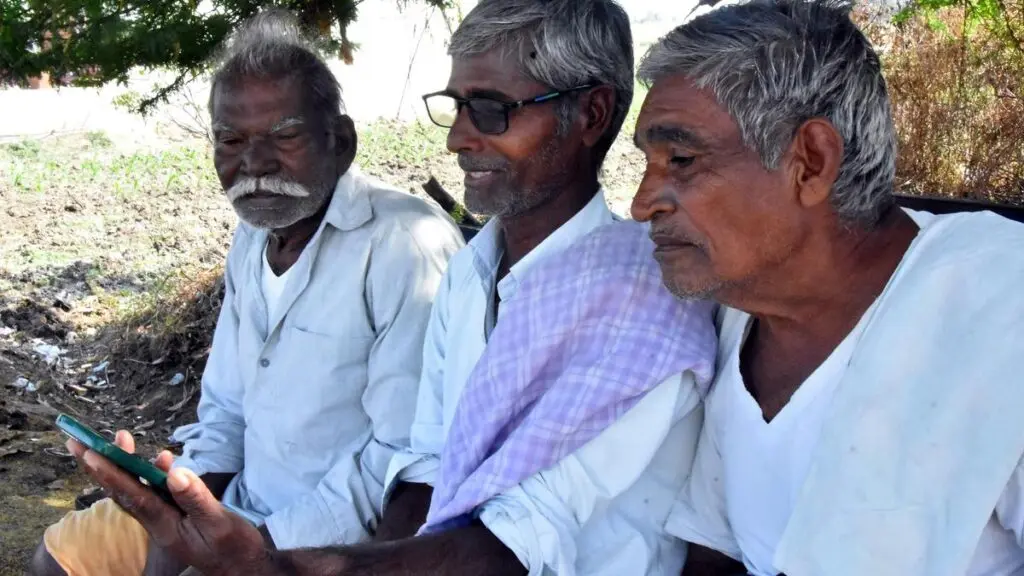
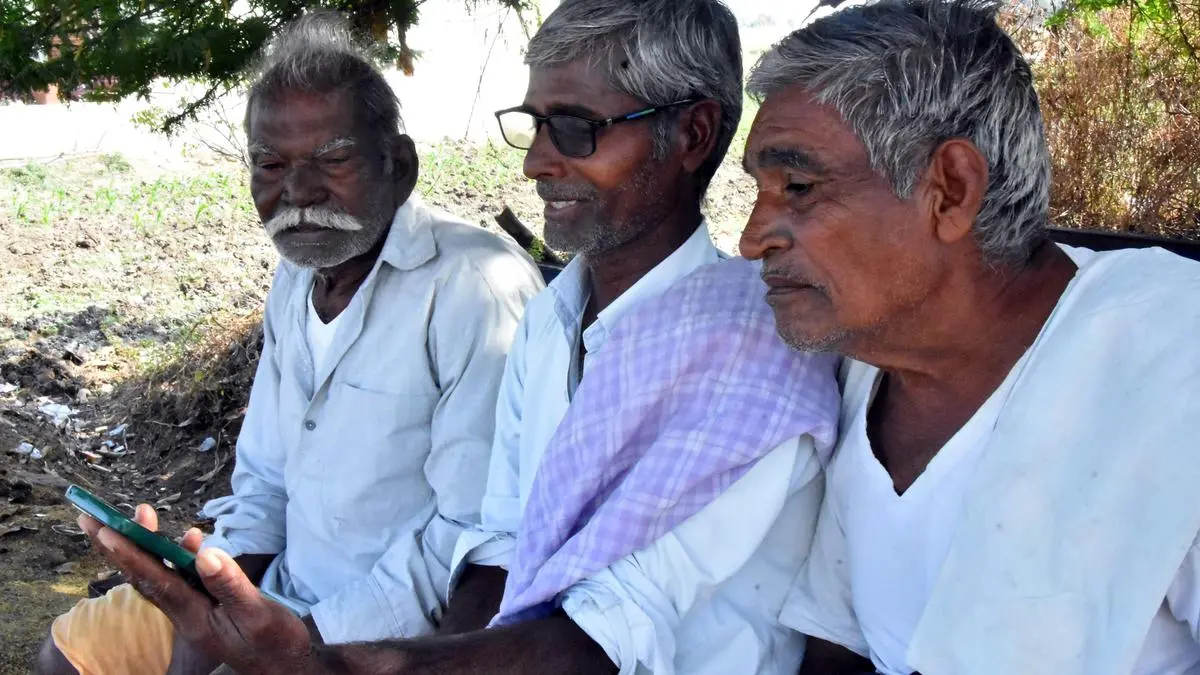
The study noted that under the previous Rythu Bandhu scheme, benefits went disproportionately to absentee landowners, with 20.5 per cent of assistance reaching non-cultivators. The Congress government increased support from Rs 5,000 to Rs 6,000 per acre while tightening eligibility. The Hindu reports the stricter implementation saved expenditure and improved targeting, while Deccan Chronicle reports the study also found that tenant farmers and marginal landholders remain largely excluded, with 27.72 per cent of surveyed farmland not covered by the scheme.
The CESS has recommended redesigning the scheme around actual cultivation rather than land ownership, imposing a five-acre ceiling, and documenting tenant farmers. The Deccan Chronicle notes the study urged fixing administrative issues in the Dharani portal and resolving tribal land-title problems.
Indian Opinion Analysis
The Hindu and Deccan Chronicle both report on the same CESS study but lead with different emphases. The Hindu highlights the 45 per cent expenditure drop and credits stricter enforcement under the Congress government, framing the scheme change as a success in targeting. Deccan Chronicle foregrounds the finding that the scheme continues to exclude tenant farmers and the poorest, and calls for a redesign away from land ownership. The Deccan Chronicle also provides more detail on coverage gaps, 30.59 per cent of marginal farmer land excluded versus 14.47 per cent for large farmers, which The Hindu omits. A balanced reading is that while the Congress government's tighter criteria reduced outlays and cut leakage to absentee landowners, the study's recommendations make clear that ownership-based targeting still misses actual cultivators, and the state has yet to implement the suggested reforms.
Coverage: 2 sources, 1 pro-government, 1 neutral
Sources (2): thehindu.com (pro government), deccanchronicle.com (neutral report)
This brief was synthesised by AI from the 2 sources linked above, so one read covers every framing they carry. Methodology and corrections.