











Now Reading: India cuts sugar stock limit to 15 days as prices hit record
-
01
India cuts sugar stock limit to 15 days as prices hit record



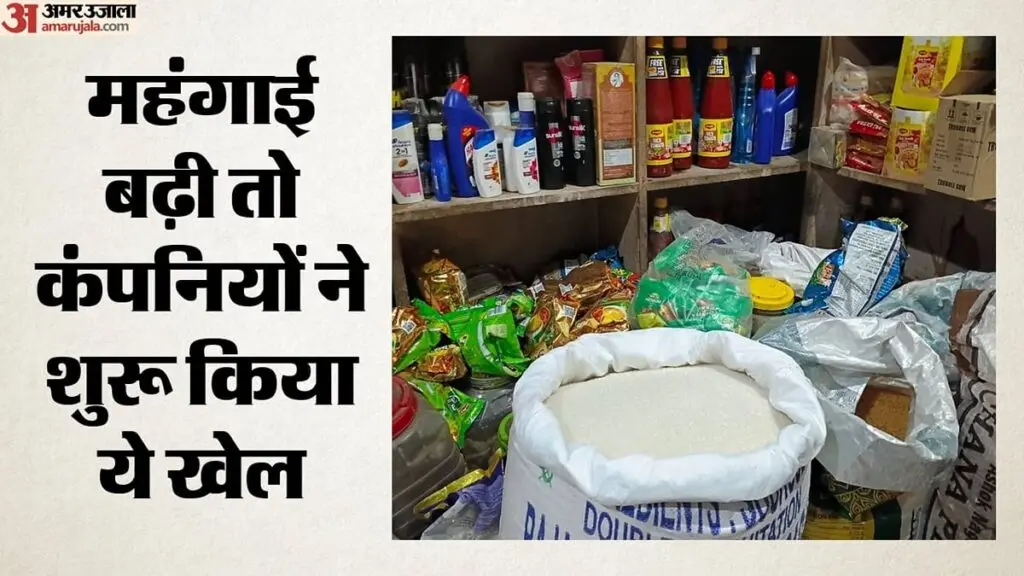
India has ordered sugar dealers handling more than 10 metric tonnes a month to hold inventories for no more than 15 days from September 1 to November 30, as retail prices hit a record Rs 52.3 per kg on August 18. The directive comes after a 10% jump in prices over the past month, ahead of the festival season when demand for sweets peaks.
India Today reports that experts blame the crisis primarily on the diversion of sugarcane to ethanol production under the government's E20 programme, with wholesale prices in Kolhapur rising 20% since August to a record Rs 5,350 per 100 kg. BusinessLine, citing Reuters, notes that India is also considering duty-free imports for the first time in nearly a decade, as patchy rains and dry weather have hit the cane crop.
The government had previously ordered a 30-day stockholding limit in July, but prices continued to climb. The new order will remain in force through Diwali, and the government is racing to prevent a festive-season inflation problem.
Indian Opinion Analysis
India Today frames the price crisis squarely as a consequence of the government's E20 ethanol blending programme, quoting an expert who accuses stockists of manipulation. BusinessLine, reporting via Reuters, frames the same crisis as a supply-and-demand problem worsened by weather and festival demand, and focuses on the government's stockholding limit as the policy response. Neither outlet directly contradicts the other, but India Today's framing is more government-critical because it foregrounds a policy trade-off (fuel vs. food) and implies official data may be unreliable. BusinessLine's straight-wire style is neutral-report. The measured read: the ethanol diversion is a real factor, but weather damage to the crop and hoarding by traders are also plausible contributors. The market may test whether the 15-day inventory limit alone can cool prices before Diwali.
Coverage: 2 sources, 1 government-critical, 1 neutral
Sources (2): indiatoday.in (government critical), thehindubusinessline.com (neutral report)
This story was synthesised by AI from the 2 sources linked above. Methodology and corrections.
Updated: this story now draws on 2 sources.