















Now Reading: Supreme Court closes 2015 suo motu case on parents’ suicide after child’s dengue death
-
01
Supreme Court closes 2015 suo motu case on parents’ suicide after child’s dengue death

Supreme Court closes 2015 suo motu case on parents’ suicide after child’s dengue death


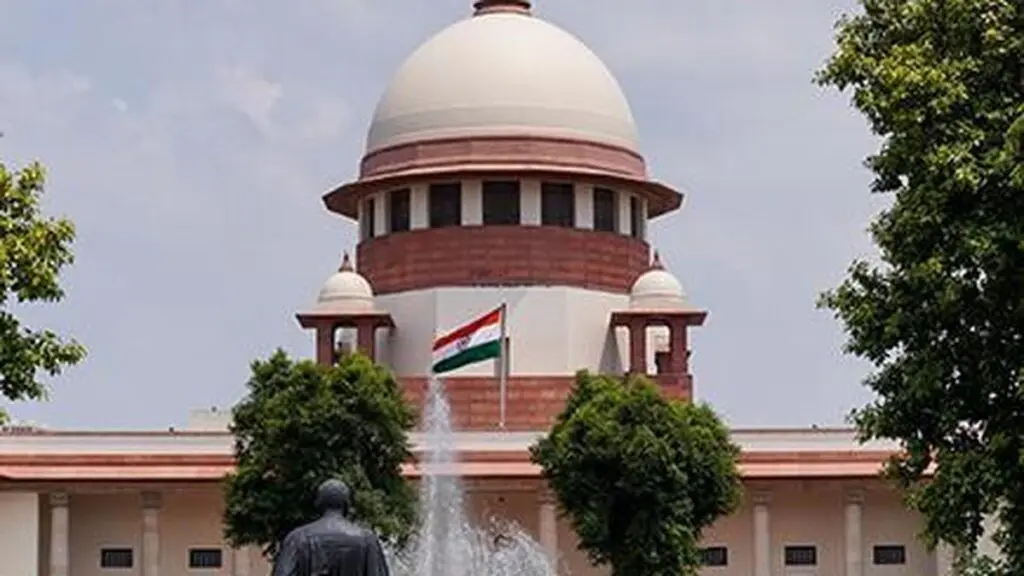
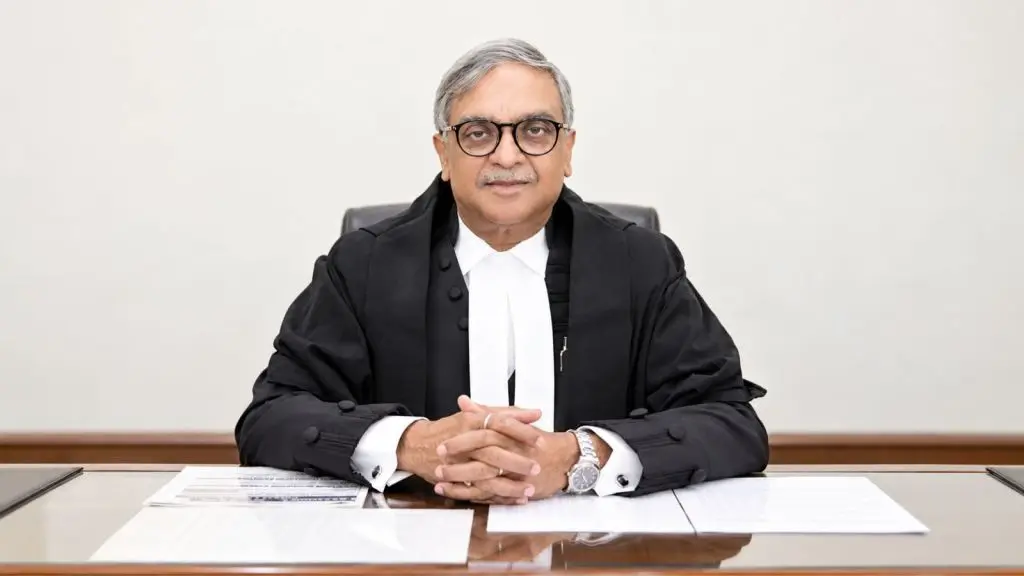
The Supreme Court on 2026 closed a suo motu case it had taken up in 2015 following the suicide of a couple whose seven-year-old child died of dengue after allegedly being denied admission by multiple hospitals citing bed shortages. A bench comprising Chief Justice Surya Kant, Justice Joymalya Bagchi and Justice V Mohana recorded a statement from the Delhi Cantonment Board's counsel that an action-taken plan had been submitted, and accepted an undertaking that authorities remain conscious of their responsibility and will continue preventive measures.

The child was taken to Moolchand, Max, Akash and Irene hospitals but was denied admission, the parents' suicide triggered massive outrage. The Union and Delhi governments launched separate inquiries, and the Delhi government issued notices to the named hospitals. While Max and Moolchand denied refusing treatment, Akash and Irene cited lack of ICU facilities. In 2017, the court linked vector-borne diseases to poor solid waste management and limited the case's scope to that issue. The last order before closure was in February 2019, directing NDMC, MCD and Delhi Cantonment to file an action plan.
Indian Opinion Analysis
The closure comes nearly a decade after the tragedy, reflecting how public health emergencies often trigger judicial intervention but yield limited structural change. The case had narrowed from hospital denial of treatment to solid waste management, an indirect cause of dengue. Separately, the same bench recently pulled up two private hospitals for allegedly denying treatment to a four-year-old rape-murder victim, calling them criminally negligent and agreeing to frame guidelines for emergency care for sexual assault victims. Watch for those guidelines, which could set binding norms for private hospitals nationwide, potentially affecting lakhs of patients in emergencies. The next hearing on that matter will be crucial.
Source: livelaw.in
This story was synthesised by AI from the source linked above. Methodology and corrections.