




















Now Reading: Supreme Court Grants Bail to Nayeem Ahmad Khan After Nine Years
-
01
Supreme Court Grants Bail to Nayeem Ahmad Khan After Nine Years



The Story in Brief
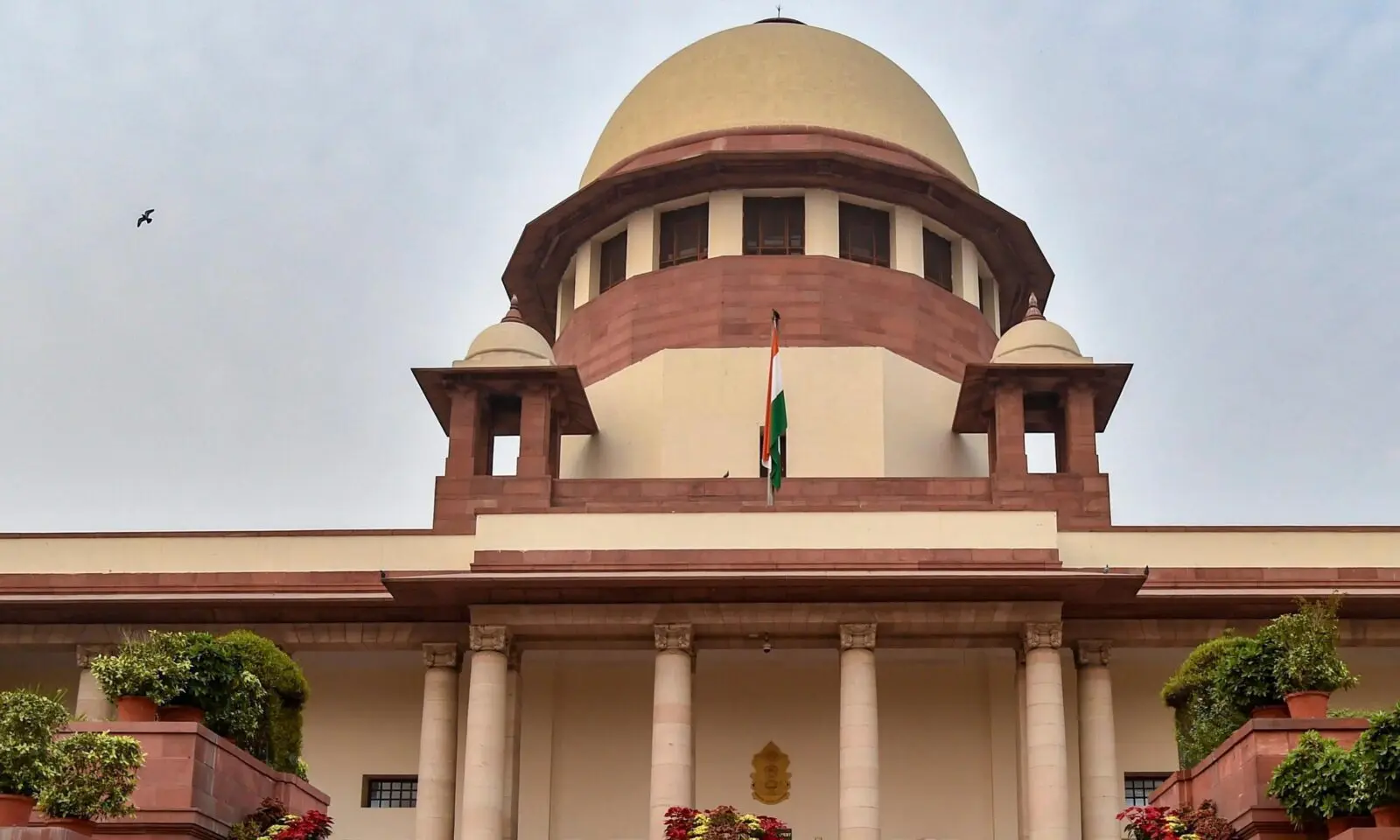
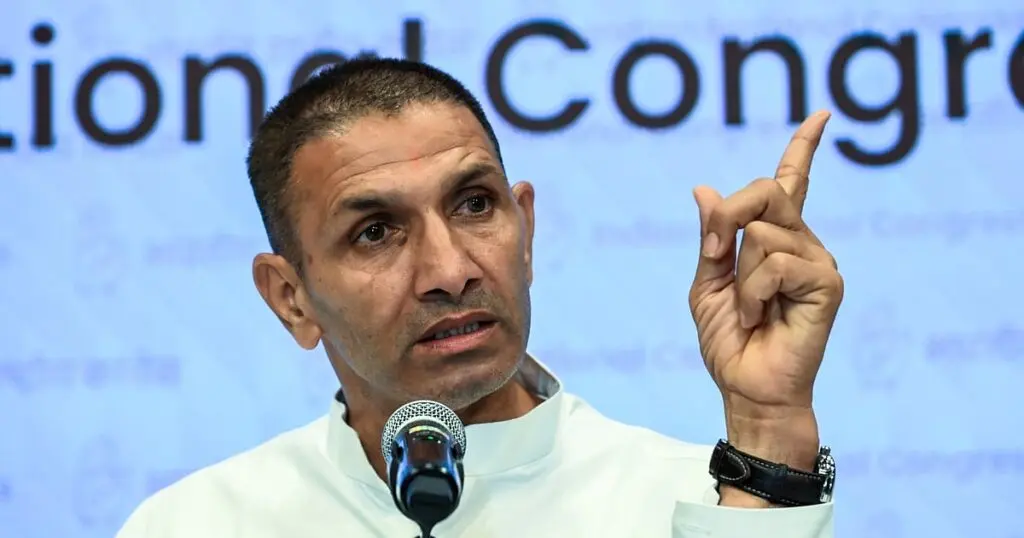
The Supreme Court granted bail to Nayeem Ahmad Khan on 23 November, setting aside the Delhi High Court’s 2025 refusal. Khan has spent more than nine years in custody in a terror funding case registered by the National Investigation Agency in 2017. The Court noted that all material witnesses against him had been examined and only official witnesses remained. It directed that he be released on conditions set by the trial court.
The NIA alleges that Khan helped plan unrest and channel funds in Jammu and Kashmir, including through commissions on admissions to medical colleges in Pakistan. The allegations involve links between Pakistan-based agencies, banned organisations and the All Parties Hurriyat Conference. The Delhi High Court had held that material gave reasonable grounds to believe the accusations were prima facie true, and that long custody alone did not justify bail. The Supreme Court said it had expressed no view on the merits, which remain for trial.
Indian Opinion Analysis
Both reports use a neutral, court-focused frame, with no discernible disagreement over the basis for bail. LawBeat gives more space to the Delhi High Court’s assessment of the alleged conspiracy, while LawChakra spells out the release conditions and the Supreme Court’s statement that it had not assessed the merits. That distinction leaves readers with both the gravity of the allegations and the custody and trial-stage factors behind the order. The allegations remain to be tested at trial, and the terms of Khan’s release are for the trial court to set.
Coverage: 2 sources, 2 neutral
Sources (2): lawbeat.in (neutral report), lawchakra.in (neutral report)
This brief was synthesised by AI from the 2 sources linked above, so one read covers every framing they carry. Methodology and corrections.