




















Now Reading: Supreme Court orders DNA profiling of all captive elephants
-
01
Supreme Court orders DNA profiling of all captive elephants


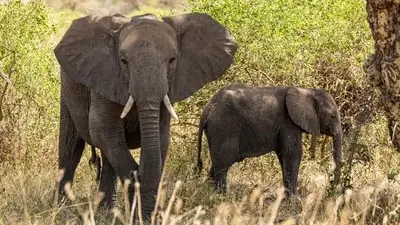
The Supreme Court on August 18 directed the environment ministry and the Captive Elephant Healthcare and Welfare Committee to submit a status report on DNA profiling of all captive elephants and upload data to the Gajah Suchana app. A bench headed by Chief Justice Surya Kant also ordered mandatory guidelines for elephant clinics and minimum standards for housing and healthcare.
Data from the ministry shows captive elephant numbers rose from 2,675 in 2019 to 2,725, but category-wise figures add up to 2,984, with private ownership, circuses and temple populations unchanged since 2019. Activists have flagged the static numbers as unlikely over seven years. The court clarified the case concerns welfare, not ownership, and will next hear it on October 29.
Indian Opinion Analysis
Project Elephant, launched in 1992, mandates the central government monitor captive elephant welfare, but data discrepancies have dogged its reports for years. The static figures for private, circus and temple elephants since 2019, despite no recorded deaths or additions, raise questions about the accuracy of self-reporting by owners. DNA profiling, if implemented, would create a verifiable registry, making ownership transfers and health tracking transparent. The court's October 29 hearing will test whether the MoEFCC and the CEHWC can produce a credible mechanism for periodic certificate renewal and minimum housing standards, addressing long-standing gaps in enforcement under the Wildlife Protection Act.
Source: hindustantimes.com
This brief was synthesised by AI from the source linked above. Methodology and corrections.