


















Now Reading: SC says Constitution prevails over NDPS, UAPA, PMLA bail curbs
-
01
SC says Constitution prevails over NDPS, UAPA, PMLA bail curbs


The Story in Brief
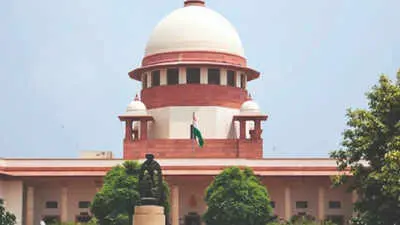
The Supreme Court held on Thursday (5 November 2026) that constitutional provisions prevail over special laws such as the NDPS Act, UAPA and PMLA. A bench of Justices Ujjal Bhuyan and A S Chandurkar reiterated that the right to speedy trial under Article 21 is a fundamental right and prolonged delay can be a ground for bail.
The bench disagreed with an earlier two-judge ruling in State of Punjab v Sukhwinder Singh, which said the right under Article 21 must be exercised within the limits of Section 37 of the NDPS Act. The court said the earlier ruling had become 'per incuriam', relying on the 2021 judgment in UOI v KA Najeeb.
The latest ruling comes amid sharp differences within the court over granting bail in PMLA, NDPS and UAPA cases, with the issue now before a larger bench.
Update, 6 November 2026: ABP Live now also reports the ruling, confirming that the court said constitutional provisions prevail over NDPS, UAPA, and PMLA in case of conflict, and that prolonged delay can be grounds for bail. Times Now adds that the judgment was uploaded late on 5 November, and that the earlier Sukhwinder Singh ruling was declared 'per incuriam'.
Indian Opinion Analysis
The three outlets report the same ruling uniformly, each leading with the court's declaration that the Constitution prevails over special laws. Times of India frames it as a clear statement on primacy, while Times Now quotes the court's reasoning that Article 21 rights are 'at the core of constitutional jurisprudence'. ABP Live lists key points, including the referral to a larger bench. None of the sources criticise or support the ruling, and all note the ongoing internal differences over bail in such cases. The differing bail conditions have been referred to a larger bench, which will decide the issue.
Coverage: 3 sources, 3 neutral
Sources (3): timesofindia.indiatimes.com (neutral report), timesnownews.com (neutral report), abplive.com (neutral report)
This brief was synthesised by AI from the 3 sources linked above, so one read covers every framing they carry. Methodology and corrections.