















Now Reading: Chandrasekaran exits Tata Sons amid slowing growth, market cap drop
-
01
Chandrasekaran exits Tata Sons amid slowing growth, market cap drop

Chandrasekaran exits Tata Sons amid slowing growth, market cap drop

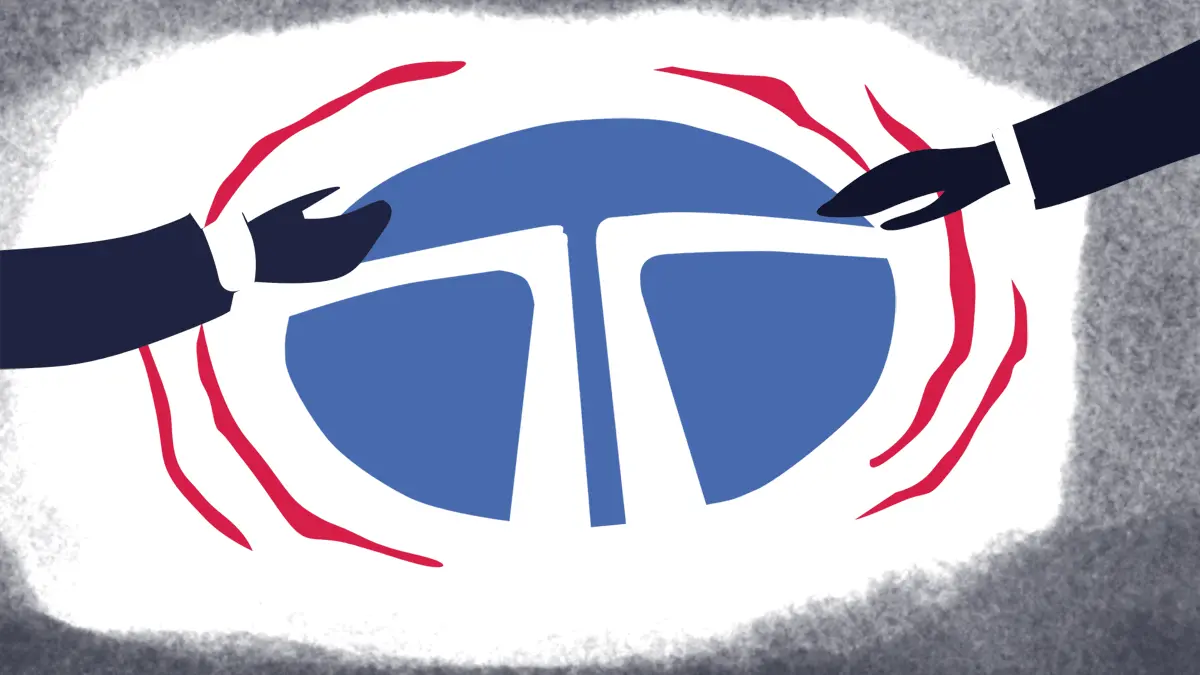
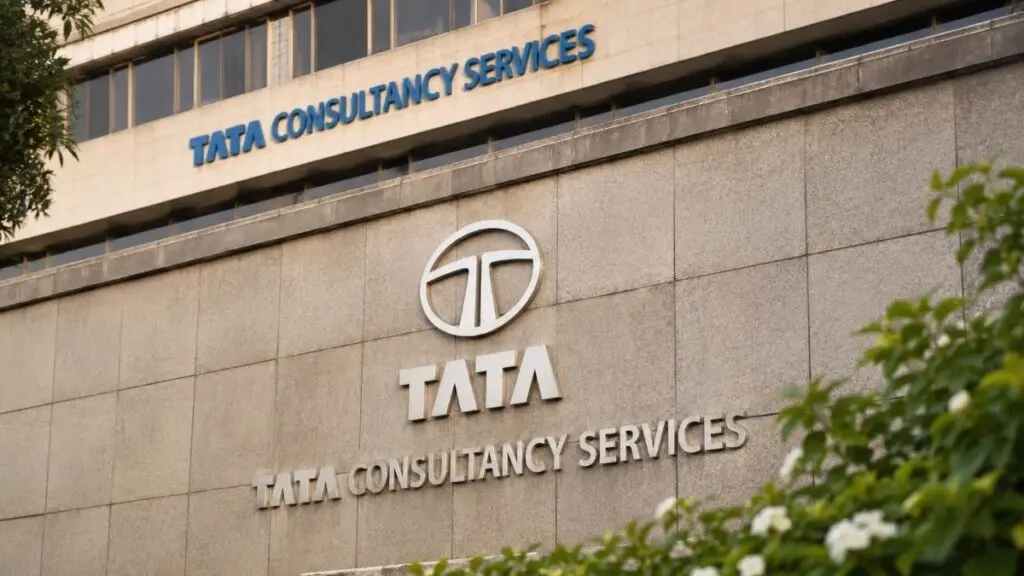
N Chandrasekaran has decided to resign as Tata Sons chairman, with his term ending on February 20, 2027. Rediff.com reports that under his leadership, Tata group companies' combined sales grew only 3.9% in FY26, while adjusted net profit rose just 1.2%. The group's combined market capitalisation fell 16.9% in FY26, underperforming the Nifty 50 for a second consecutive year. Chandrasekaran successfully revived Tata Motors' passenger vehicle business and improved performance at several group companies.
His departure marks a significant shift for TCS, where he spent his entire career. Experts say TCS will miss his deep expertise as it navigates AI disruption. The company faces potential conflict between funding its own AI investments and meeting Tata Sons' cash needs from dividends. TCS CEO K Krithivasan and COO Aarthi Subramanian will now steer the company without Chandrasekaran's guidance. The group's combined mcap dropped to about Rs 22.82 lakh crore at end-March from a record Rs 29.88 lakh crore in March 2024.
Indian Opinion Analysis
Both sources on rediff.com offer a neutral-report framing, sticking to financial data and expert quotes without visible pro-government or critical slant. SOURCE-1 leads with muted financial performance and stock underperformance, while SOURCE-2 focuses on leadership transition and AI disruption at TCS. Neither source includes government-related framing, so no political stance is present. The coverage is uniform straight reporting, meaning the key tension is internal: Chandrasekaran's tenure brought operational turnarounds but also slower growth and market cap erosion. The measured takeaway is that his departure leaves TCS navigating AI challenges without a chairman deeply familiar with its business, while Tata Sons faces a dividend crunch from TCS. Watch TCS' margin trajectory and AI investments in FY27 earnings.
Coverage: 2 sources, 2 neutral
Sources (2): rediff.com (neutral report), rediff.com (2) (neutral report)
This story was synthesised by AI from the 2 sources linked above. Methodology and corrections.
Updated: this story now draws on 2 sources.