



Now Reading: Telangana auto fares hiked after 14 years, minimum ₹30
-
01
Telangana auto fares hiked after 14 years, minimum ₹30


The Story in Brief
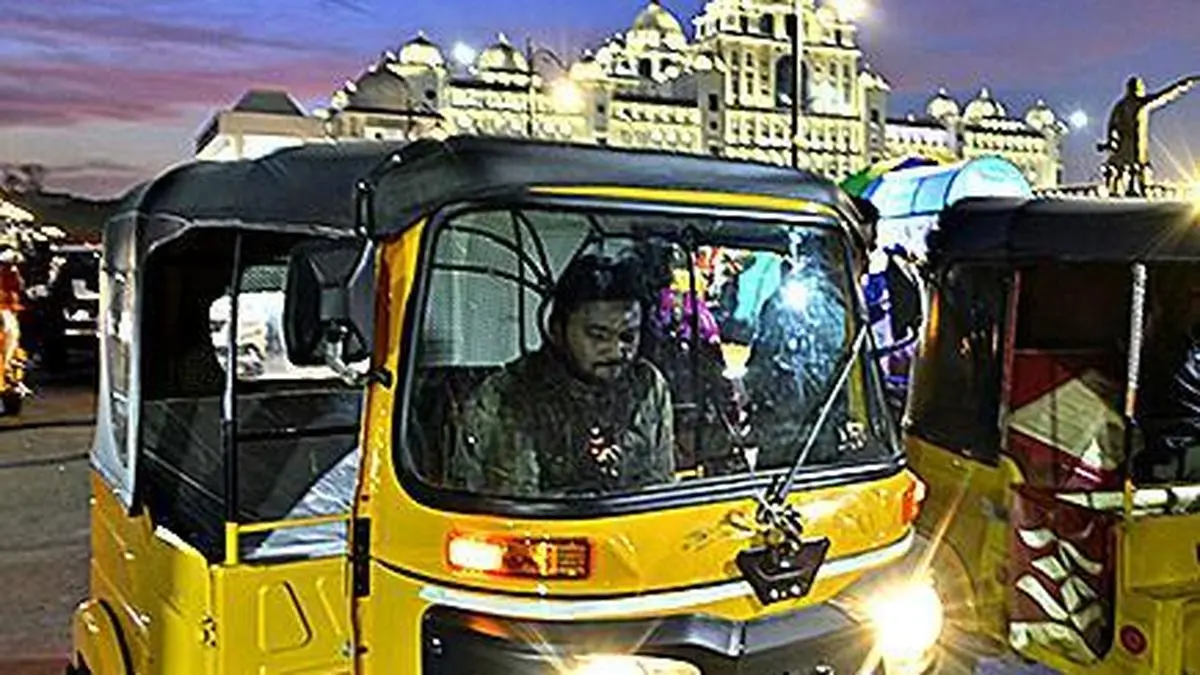
The Telangana government has revised autorickshaw fares for the first time in 14 years, setting the minimum charge at ₹30 for the first 1.6 km and ₹14 for each subsequent kilometre, according to a government order issued on Friday, 2 October 2026. The previous minimum was ₹20 with ₹11 per extra kilometre. Night fares between 11 p.m. and 5 a.m. will be one-and-a-half times the normal rate.
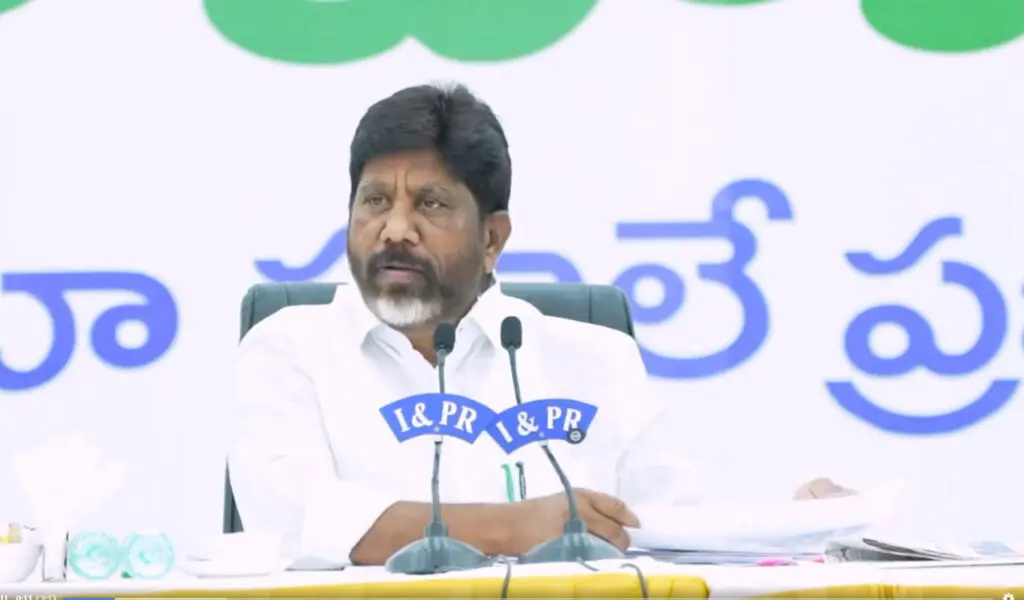
Digital meters must be reset within three months to show ₹30 when engaged, rising by ₹1.40 per one-tenth km after 1.6 km. Detention charges are set at ₹0.75 per minute, and luggage charges at ₹0.50 per package beyond a briefcase or small bag. Transport Minister Ponnam Prabhakar announced the order at the launch of the Hyderabad Metro-Telangana RTC common pass.
Auto unions expressed dissatisfaction with the revision. The Telangana Auto Unions JAC said it had sought a minimum of ₹40 and ₹18 per subsequent km. Minister Prabhakar told union representatives that fares could not be raised in one go and would be revised again later, union leader A Sathireddy said. The Bharatiya Mazdoor Sangh alleged a unilateral decision and called for drivers to collect a minimum of ₹50, announcing three days of protests from Saturday, 3 October.
Indian Opinion Analysis
Both The Hindu and Times of India report the fare revision in neutral, factual terms. The Hindu leads with the government order and fare details, giving no space to union reaction beyond mentioning ride-hailing app implications. Times of India gives equal weight to the official announcement and to auto union demands, including the JAC’s request for a ₹40 minimum fare and BMS’s call for a ₹50 minimum and three days of protests. The two outlets differ only in how much union criticism they include, Times of India also notes the minister’s assurance that fares would be revised again later and that a welfare board would be constituted. The combined coverage shows a government that raised fares after 14 years but fell short of union expectations, with protests beginning on Saturday, 3 October.
Coverage: 2 sources, 2 neutral
Sources (2): thehindu.com (neutral report), timesofindia.indiatimes.com (neutral report)
This brief was synthesised by AI from the 2 sources linked above, so one read covers every framing they carry. Methodology and corrections.
Update, 3 October 2026: this story now draws on 2 sources.