












Now Reading: Two distinct weaving revivals: Poonch shawl returns, Nagaland society marks 50 years
-
01
Two distinct weaving revivals: Poonch shawl returns, Nagaland society marks 50 years

Two distinct weaving revivals: Poonch shawl returns, Nagaland society marks 50 years


The Story in Brief
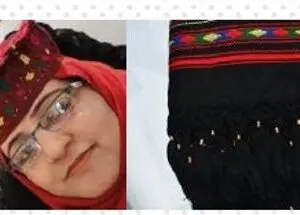
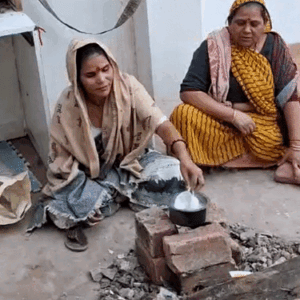
Women artisans in Poonch district, Jammu and Kashmir, have revived the traditional Chashme-Bulbul shawl after a gap of nearly 26 years. Five members of the Rehan Self Help Group, supported by the Jammu and Kashmir Rural Livelihoods Mission (JKRLM), weave the shawls by hand using sheep wool and silk, a process that takes 45 days per shawl. Prices range between Rs 4,000 and Rs 5,000. The group has also sold over 60 handmade tribal women's caps. Orders have come from Delhi and Gurugram after exhibitions at SARAS Mela events in Srinagar, Jammu and Gurugram, said Asiya Qureshi, the group's president and Mandi block coordinator.
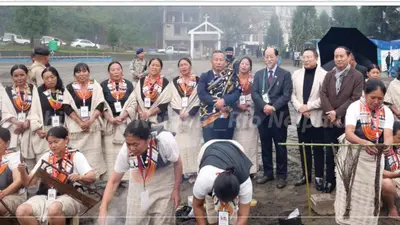
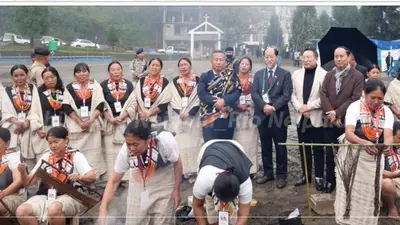
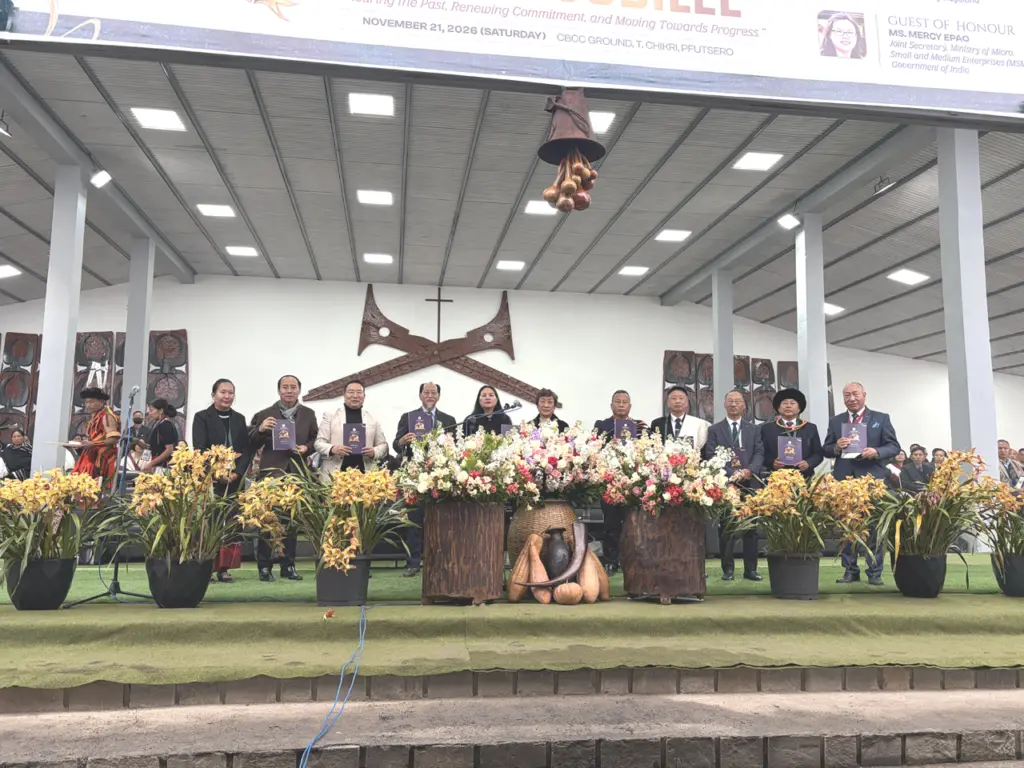
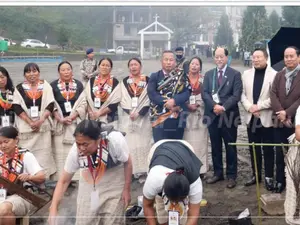
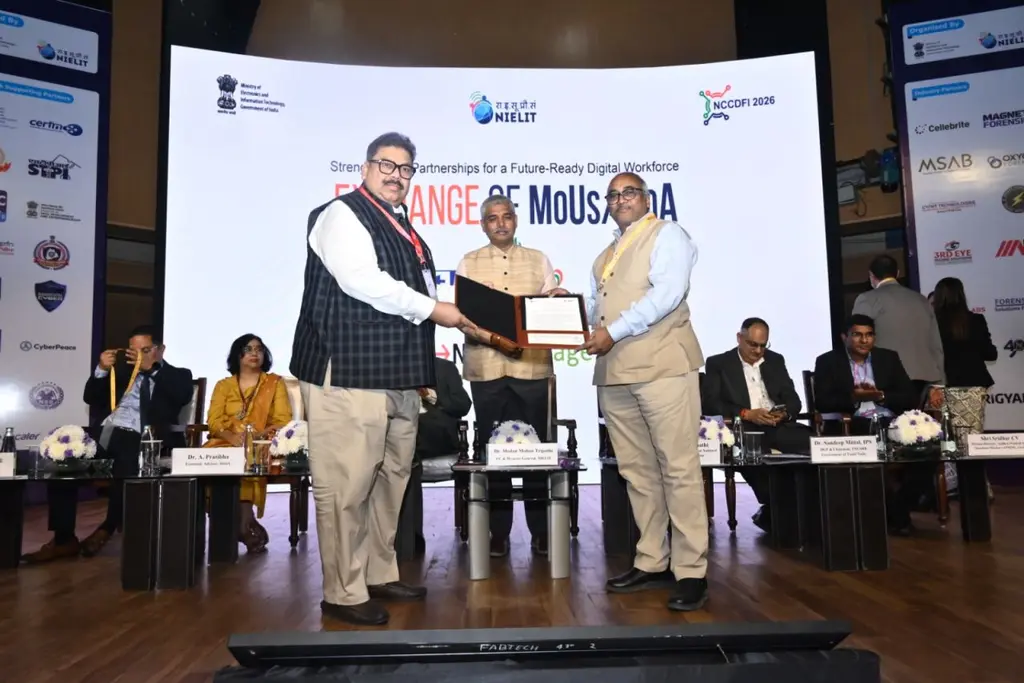
Separately, the Chakhesang Women Welfare Society (CWWS) in Nagaland marked its 50th anniversary on 21 November 2026. Started in 1976 to promote traditional Chakhesang shawl weaving, the CWWS has trained over 20,000 women and young people and formed 586 self-help groups. At the Golden Jubilee event, a Memorandum of Understanding was signed with the Association of Lady Entrepreneurs of India (ALEAP), Hyderabad, to promote women's entrepreneurship in Nagaland and other Northeastern states. Chakhesang shawls received Geographical Indication registration in 2017. Executive Director Nezelü Nyekha earlier said women making premium shawls could earn between Rs 30,000 and Rs 40,000 a month.
Indian Opinion Analysis
Rising Kashmir and The Times of India each cover a separate women-led weaving revival: one in Poonch, Jammu and Kashmir, and the other in Phek, Nagaland. Because the stories are about different events in different states, this analysis cannot compare framings of the same story. Rising Kashmir’s report on the Chashme-Bulbul shawl revival by the Rehan Self Help Group focuses on a small group of five women artisans, cultural heritage and family identity. The Times of India’s article on the Chakhesang Women Welfare Society highlights institutional growth over 50 years, training 20,000 women and attaining GI registration. A reader interested in grassroots cultural preservation would find Rising Kashmir’s detail of a 45-day weaving process relevant, while The Times of India offers a broader organisational narrative with partnership signings and government support. No single story is present in both sources for a comparative stance analysis.
Coverage: 2 sources, 2 neutral
Sources (2): risingkashmir.com (neutral report), timesofindia.indiatimes.com (neutral report)
This brief was synthesised by AI from the 2 sources linked above, so one read covers every framing they carry. Methodology and corrections.