

















Now Reading: US proposes tougher green card rules for foreign worker sponsors
-
01
US proposes tougher green card rules for foreign worker sponsors

US proposes tougher green card rules for foreign worker sponsors

The Story in Brief
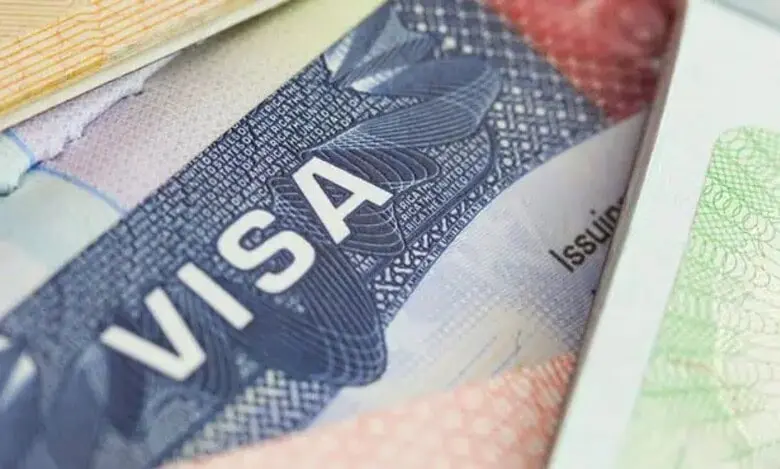
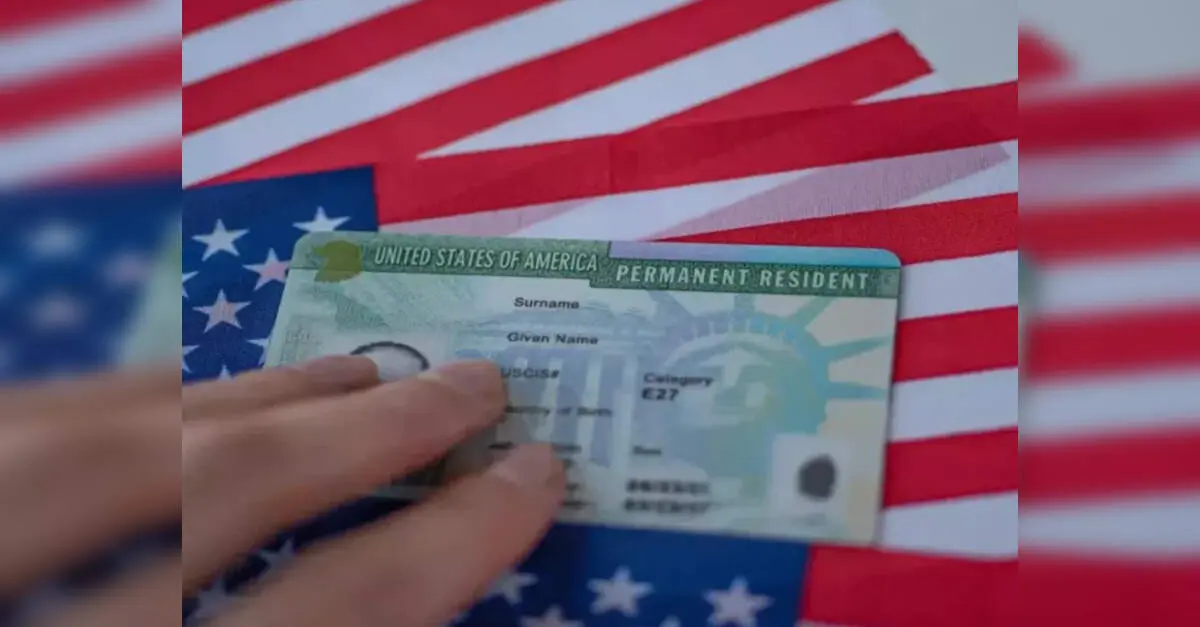
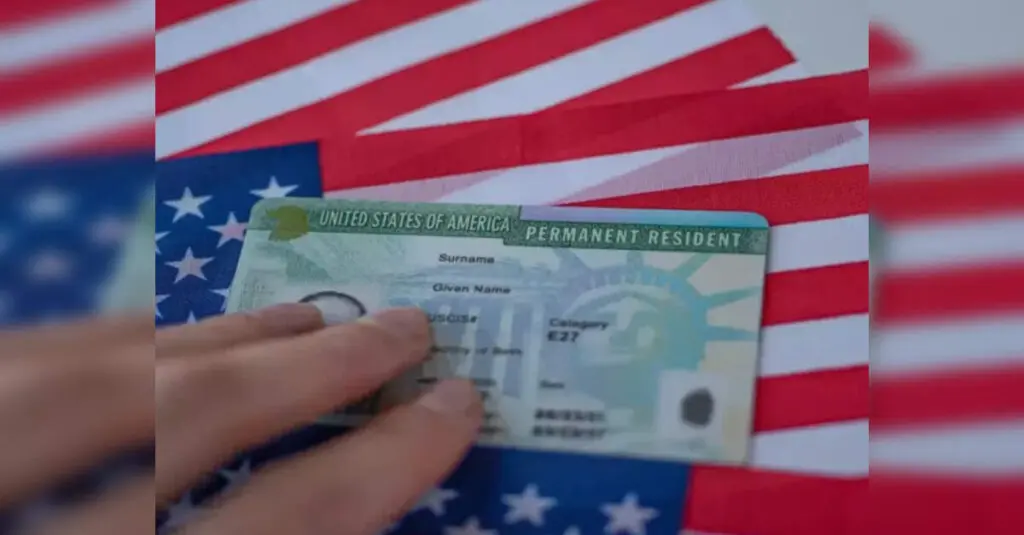
The US Department of Labor on 17 November proposed the first major overhaul in over 20 years of the PERM labour certification programme, a mandatory step for most employment-based green cards under EB-2 and EB-3 categories. The plan would require employers to keep job ads open for at least 90 days, replace print advertisements with online recruitment, and remove Schedule A exemptions that currently allow nurses and physical therapists to bypass the labour market test.
Companies that laid off US workers in the same occupation in the previous two years would be barred from filing new PERM applications. Employers would also have to notify the Labor Department of layoffs within five business days and consider qualified displaced workers for open positions. Labor Secretary Keith Sonderling said the changes would put American workers first in line for high-skilled jobs.
The proposal is not final. The public has 60 days from the Federal Register publication on 17 November to submit comments before the department decides on a final rule. For Indian H-1B visa holders, the changes could mean longer processing times, fewer sponsorship opportunities from companies with recent layoffs, and higher employer compliance costs.
Indian Opinion Analysis
Both outlets report the US Department of Labor’s proposed PERM overhaul in straight, neutral terms, with identical coverage of the 90-day advertising window, Schedule A rollback and restrictions on companies with recent layoffs. Economic Times leads with the regulatory tightening and quotes Labor Secretary Keith Sonderling’s ‘American workers first’ framing, giving more weight to the official justification. Business Standard instead leads with the impact on Indian professionals, specifying longer waits, fewer sponsorships and higher compliance costs, and ends on the rule-making timeline. The divergence is one of emphasis rather than dispute: both describe the same proposal, but Economic Times centres the government’s rationale and Business Standard centres the applicant’s downside. Neither source omits the other’s focus, so the balanced reading is that the proposal, if finalised, would simultaneously strengthen domestic worker protections and lengthen the green-card path for H-1B holders. Concrete next step is the 60-day public comment window that opened on 17 November 2026.
Coverage: 2 sources, 2 neutral
Sources (2): economictimes.indiatimes.com (neutral report), business-standard.com (neutral report)
This brief was synthesised by AI from the 2 sources linked above, so one read covers every framing they carry. Methodology and corrections.