












Now Reading: West Bengal asks universities to swap gowns for Indian attire at convocations
-
01
West Bengal asks universities to swap gowns for Indian attire at convocations

West Bengal asks universities to swap gowns for Indian attire at convocations

The Story in Brief
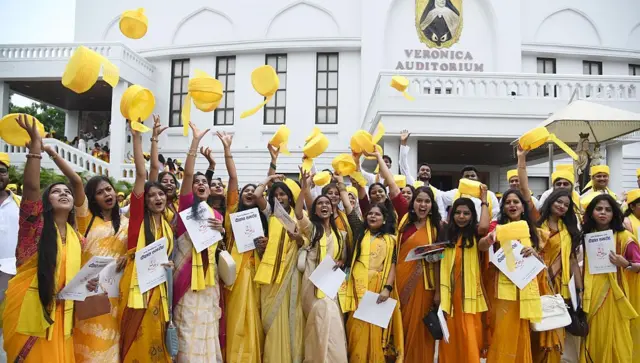
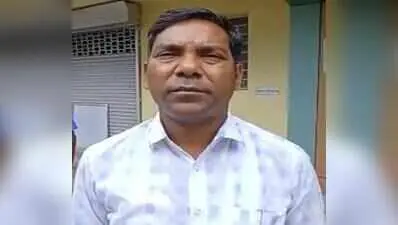
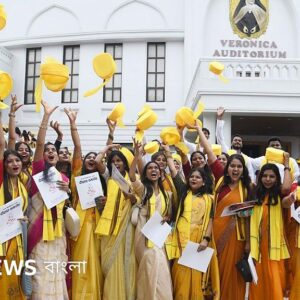
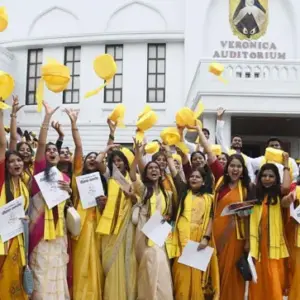
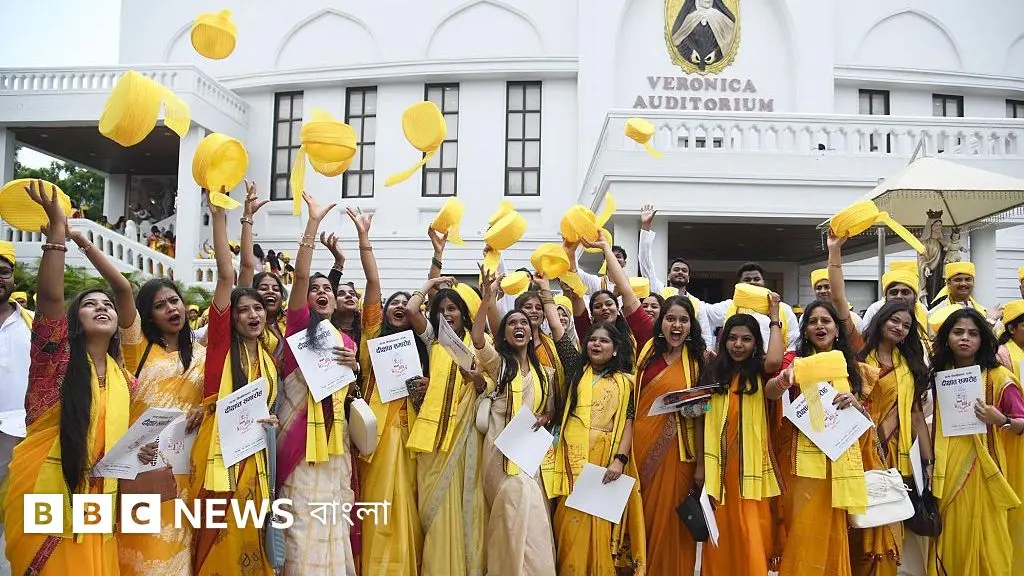
West Bengal’s higher education department has issued an advisory asking all universities in the state to replace academic gowns, hoods and mortarboards with Indian attire such as the ‘uttariya’ (stole), sarees, dhotis and khadi at convocation ceremonies. The move, reported by BBC and Sangbad Pratidin, follows state higher education minister Jagannath Chatterjee’s refusal to wear a gown at a convocation on Friday, 20 November, where he questioned why colonial-era robes were still required. The advisory cites a 2015 University Grants Commission notification that similarly urged indigenous ceremonial robes.
Critics quoted by BBC, including former Rabindra Bharati University vice chancellor Pabitra Sarkar and an anonymous Calcutta University professor, call the change trivial and argue the focus should instead be on expanding higher education. Calcutta University’s registrar said a syndicate meeting on the dress code was scheduled for Wednesday, 25 November. The advisory leaves the specific design of the attire to each university.
Indian Opinion Analysis
Both outlets report that the West Bengal higher education department has issued an advisory for universities to replace academic gowns and hoods with Indian attire such as ‘uttariya’ (stole), sarees, dhotis and khadi. BBC’s framing includes critical views from educators who call the focus on ceremonial robes trivial compared to education and dismiss the connection to colonial mentality as an overreaction. Its report also notes that Calcutta University’s syndicate meeting on the subject is scheduled for Wednesday, 25 November. Sangbad Pratidin’s framing is markedly supportive, casting the move as a break from a ‘colonial hangover’ and emphasising its purpose of promoting indigenous textiles, temperature appropriateness and cultural pride, without featuring any opposition. Neither report attributes a specific deadline for the policy’s enforcement, they leave open which universities will adopt it and when the first convocation under the new dress code will be held.
Coverage: 2 sources, 1 pro-government, 1 neutral
Sources (2): bbc.com (neutral report), sangbadpratidin.in (pro government)
This brief was synthesised by AI from the 2 sources linked above, so one read covers every framing they carry. Methodology and corrections.