
















Now Reading: WhatsApp rolls out scheduled messaging 14 days in advance
-
01
WhatsApp rolls out scheduled messaging 14 days in advance


The Story in Brief
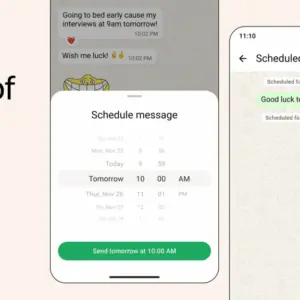
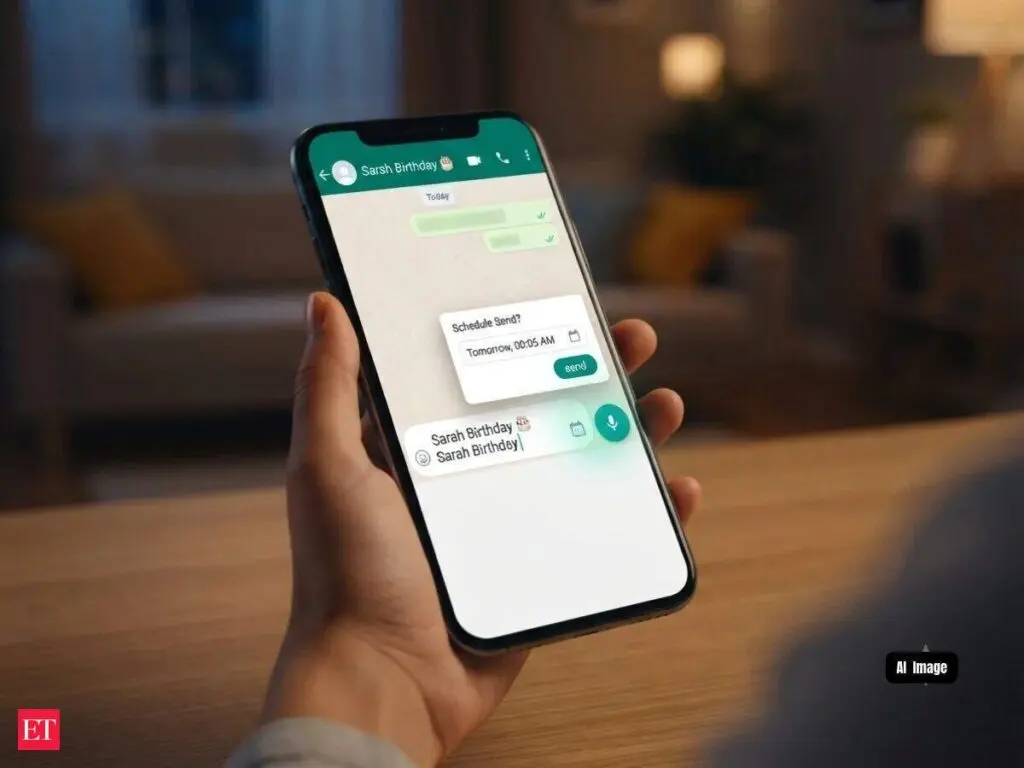
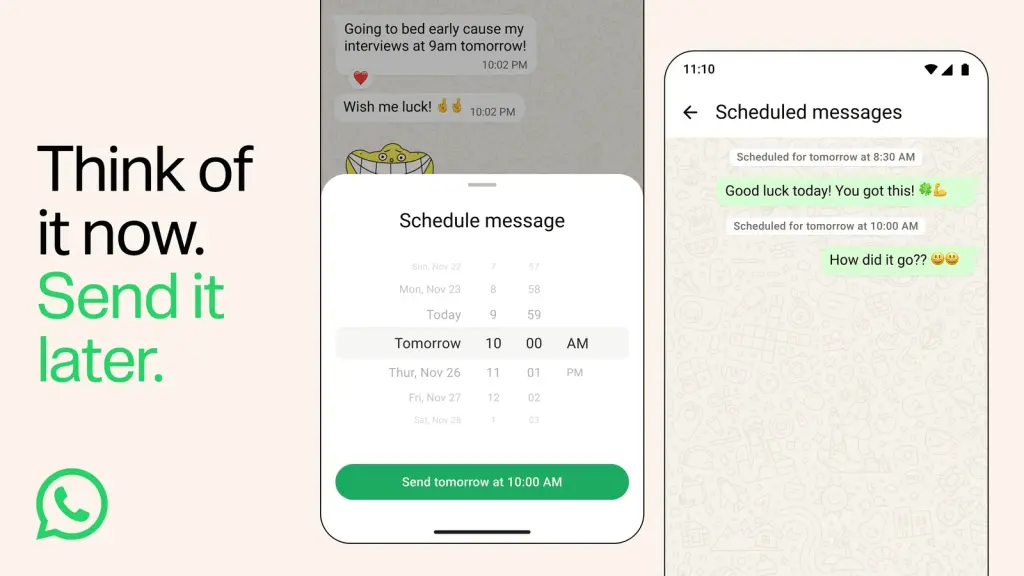
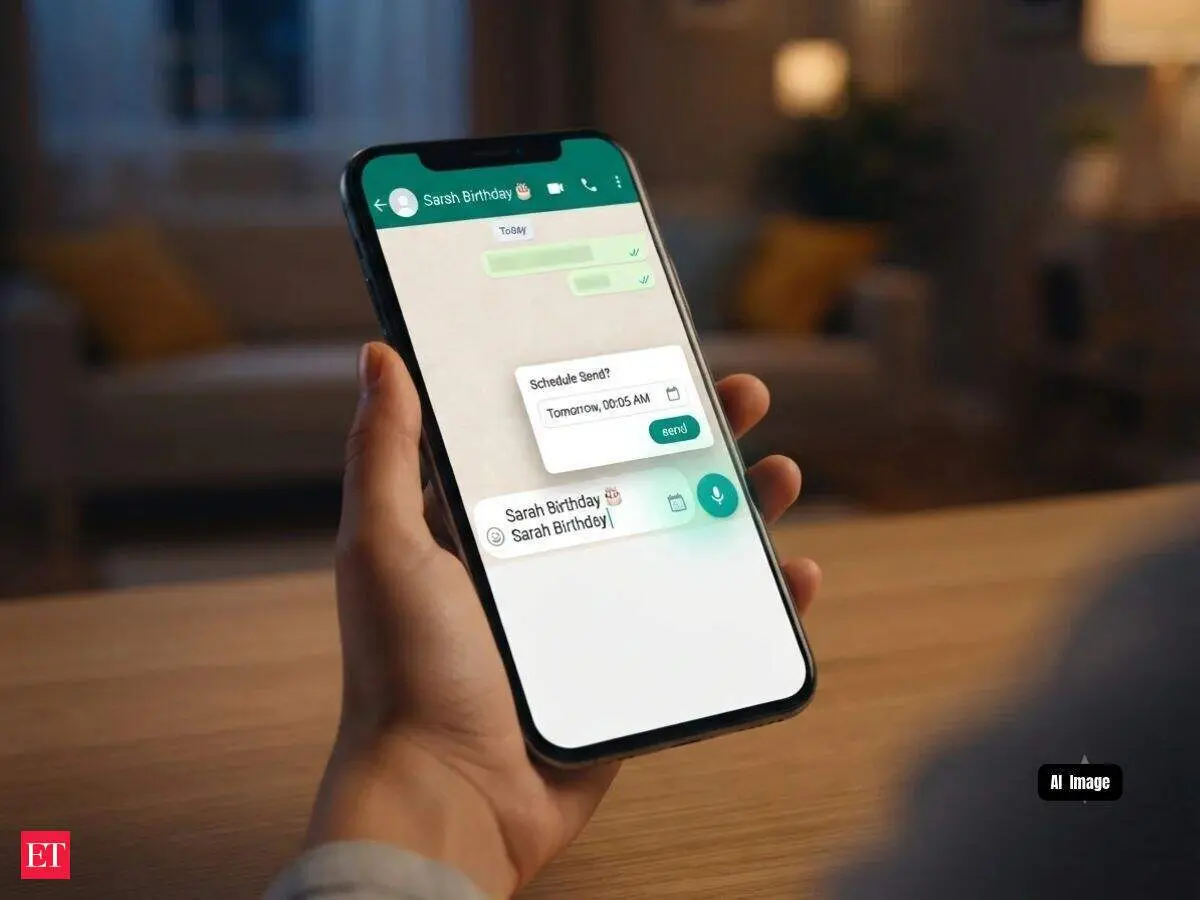
WhatsApp on 25 November launched scheduled messages, a feature that lets users compose texts, photos and videos and set delivery from 10 minutes to 14 days ahead. The option works in one-to-one and group chats and reaches the recipient as a regular message, the company said. Messages will still be sent even if the sender’s phone is switched off or out of battery, and all scheduled messages remain protected by end-to-end encryption.
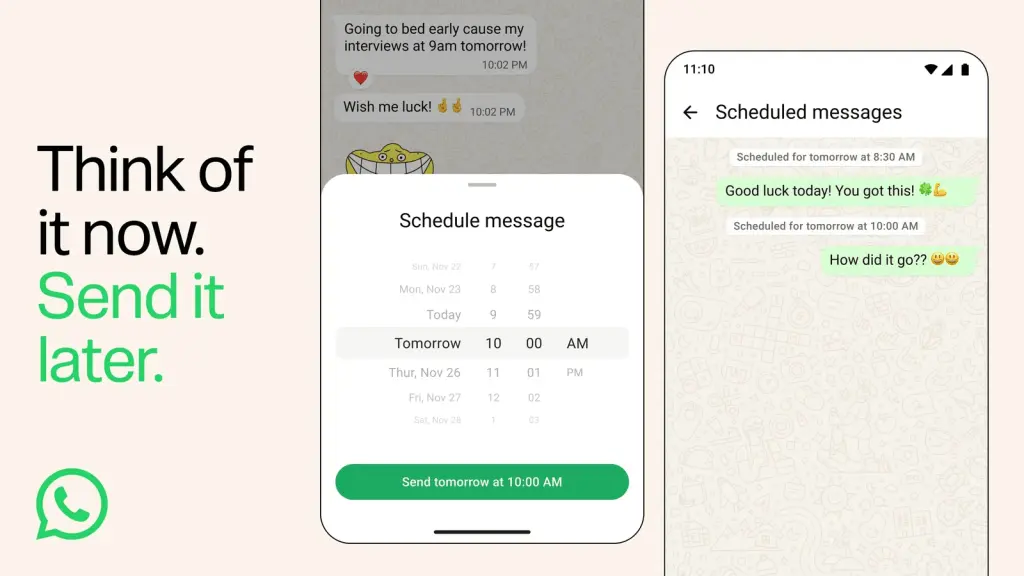
To use the feature, users press and hold the send button after typing a message, then pick a date and time. The rollout is global over the coming weeks. WhatsApp’s new CEO, Kunal Shah, said in recent remarks that the feature was one of the most requested by users and that his priorities include simplifying the app, adding more AI functions and expanding fintech ambitions. Rival platforms Telegram and Signal already offer similar scheduling tools.
Indian Opinion Analysis
Both Indianexpress and Economictimes report identical technical details on WhatsApp's new scheduled-messaging feature, including the 10-minute to 14-day window, support across chats, and end-to-end encryption. The coverage is uniform straight reporting: neither outlet adds political or ideological framing, and both publish the same how-to steps and privacy assurances. The Economic Times emphasises convenience scenarios such as time-zone reminders, while Indianexpress leads with new CEO Kunal Shah's broader product vision, but neither departure alters the factual core. The rollout timeline, coming weeks globally, is the only open watch item both sources name.
Coverage: 2 sources, 2 neutral
Sources (2): indianexpress.com (neutral report), economictimes.indiatimes.com (neutral report)
This brief was synthesised by AI from the 2 sources linked above, so one read covers every framing they carry. Methodology and corrections.