












Now Reading: Wildlife Week 2026 marked across India with awareness events
-
01
Wildlife Week 2026 marked across India with awareness events


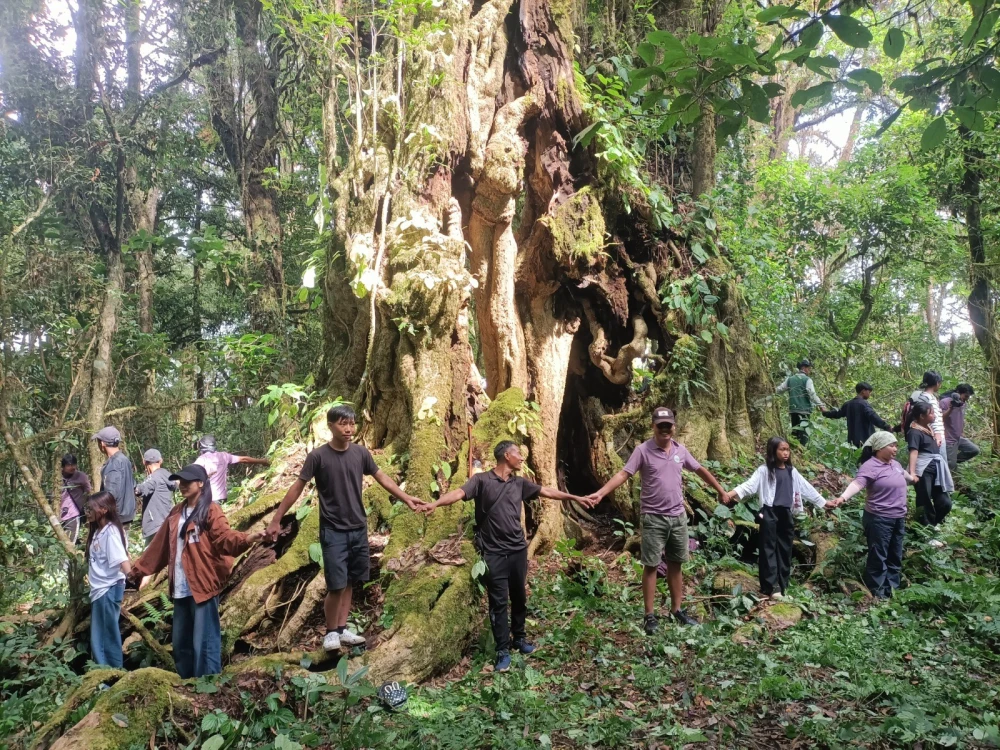
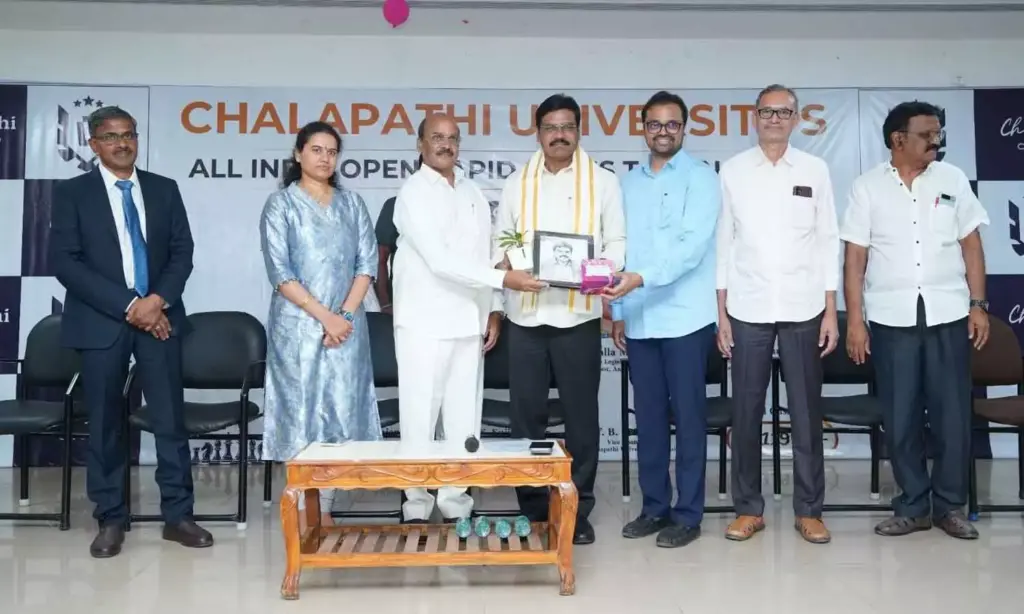
Wildlife Week 2026 was observed across multiple Indian states on 8 to 10 October, with forest divisions, schools and universities holding awareness programmes, nature treks, quizzes and competitions under the theme ‘Connecting Habitats, Thriving Wildlife.’ The Zunheboto Forest Division in Nagaland screened the documentary ‘Satoi Connect: Where Conservation Meets Community’ for the local community in Satoi Town on 8 October, ahead of its official premiere. In Odisha, Hirakud Wildlife Division flagged off two safari vehicles at Sambalpur Zoo and awarded prizes to 250 students from 38 schools, 10 colleges and three universities.
In Assam, the Enviroculture Conservation Foundation and Arunoday Senior Secondary School in Hojai held an awareness programme for 55 educators on 8 October, with conservationist Dr Prodip Kumar Sahoo urging teachers to become ‘ambassadors of conservation.’ Pondicherry University’s Department of Ecology and Environment Sciences organised photography and painting competitions, school visits and a webinar on Antarctic ecosystems featuring WWF’s Anant Pande. Events across Zunheboto district also included a nature trek from Hokiye Village towards Chingku Mountain, with Ikusa of Class VIII winning the Best Trekker Award.
Indian Opinion Analysis
All five outlets report Wildlife Week 2026 as a routine series of local events, with no political framing, government praise or criticism. Sentinel Assam focuses on a single educator workshop in Hojai, Morung Express and Nagaland Tribune provide near-identical detailed coverage of Zunheboto’s district-wide activities, The Times of India highlights the safari launch and prize distribution at Sambalpur, and The Hindu covers Pondicherry University’s campus events. The coverage is uniform straight reporting across every source, differing only in which geographic event each outlet chose to lead with. No outlet attributes the week’s theme or activities to a national policy directive or political figure beyond local MPs and ministers mentioned in attendance. The common thread is community-level engagement rather than government accountability, leaving the practical impact of these awareness drives as the open question.
Coverage: 5 sources, 5 neutral
Sources (5): sentinelassam.com (neutral report), morungexpress.com (neutral report), nagalandtribune.in (neutral report), timesofindia.indiatimes.com (neutral report), thehindu.com (neutral report)
This brief was synthesised by AI from the 5 sources linked above, so one read covers every framing they carry. Methodology and corrections.