













Now Reading: 13 navy personnel questioned in Pak spy ring bust
-
01
13 navy personnel questioned in Pak spy ring bust


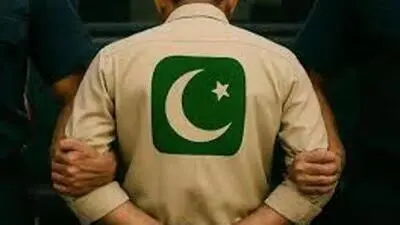
The Andhra Pradesh police counter-intelligence cell is questioning 13 Indian Navy personnel in connection with a honey-trap espionage racket allegedly operated by Pakistani intelligence operatives. The operation, codenamed ‘Operation Firewall-2026’, was launched on 1 October after coordinated raids across 10 states and Union territories, Hindustan Times and ThePrint reported on 7 October.
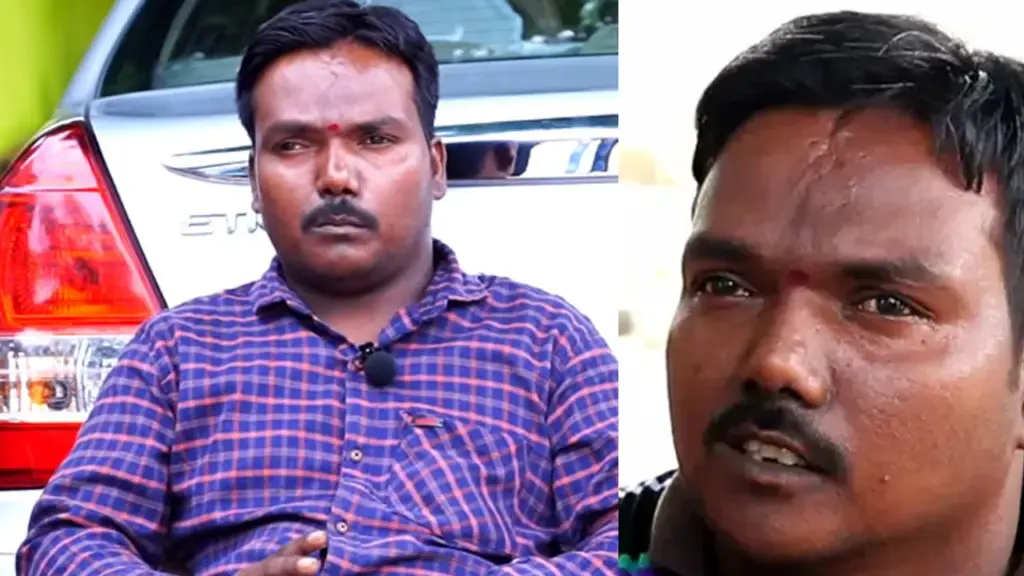
Two people have been arrested so far: Navy sailor Pradeep Mukherjee, posted at the Eastern Naval Command in Visakhapatnam, and contractual driver Annam Sai Varaprasad. Investigators have identified 18 suspects in total. The racket is alleged to have used fake social media profiles to befriend personnel and extract sensitive defence information, including ship movements, photographs of naval assets, and details of commanding officers.
The operatives, identified as ‘Joshita Pall’ and ‘Anvi Mehta’, are said to have shifted conversations to WhatsApp and induced personnel through sexually explicit content and monetary offers, routed through cryptocurrency. The probe is also examining the use of Indian SIM cards and OTP sharing to activate WhatsApp accounts in Pakistan. A similar ring was busted in 2019 under ‘Operation Dolphin’s Nose’.
Indian Opinion Analysis
Both Hindustan Times and ThePrint provide uniform straight-reporting coverage of the Andhra Pradesh police’s disclosures, with no appreciable difference in framing or slant. Hindustan Times leads with the number of personnel being questioned and a named police officer, while ThePrint foregrounds the digital modus operandi from an official document. Neither outlet challenges or defends the official account, both present the investigation’s claims as fact. The shared emphasis on the sophistication of the honey-trap network and the use of cryptocurrency reflects the material provided by the counter-intelligence cell. The only notable omission across both reports is any comment from the Navy or the accused. The next step is the formal arrest of the 13 personnel, contingent on further evidence.
Coverage: 2 sources, 2 neutral
Sources (2): hindustantimes.com (neutral report), theprint.in (neutral report)
This brief was synthesised by AI from the 2 sources linked above, so one read covers every framing they carry. Methodology and corrections.