
















Now Reading: 2026 Bajaj Pulsar 125 launched with monoshock and TFT console at Rs 92,900
-
01
2026 Bajaj Pulsar 125 launched with monoshock and TFT console at Rs 92,900

2026 Bajaj Pulsar 125 launched with monoshock and TFT console at Rs 92,900

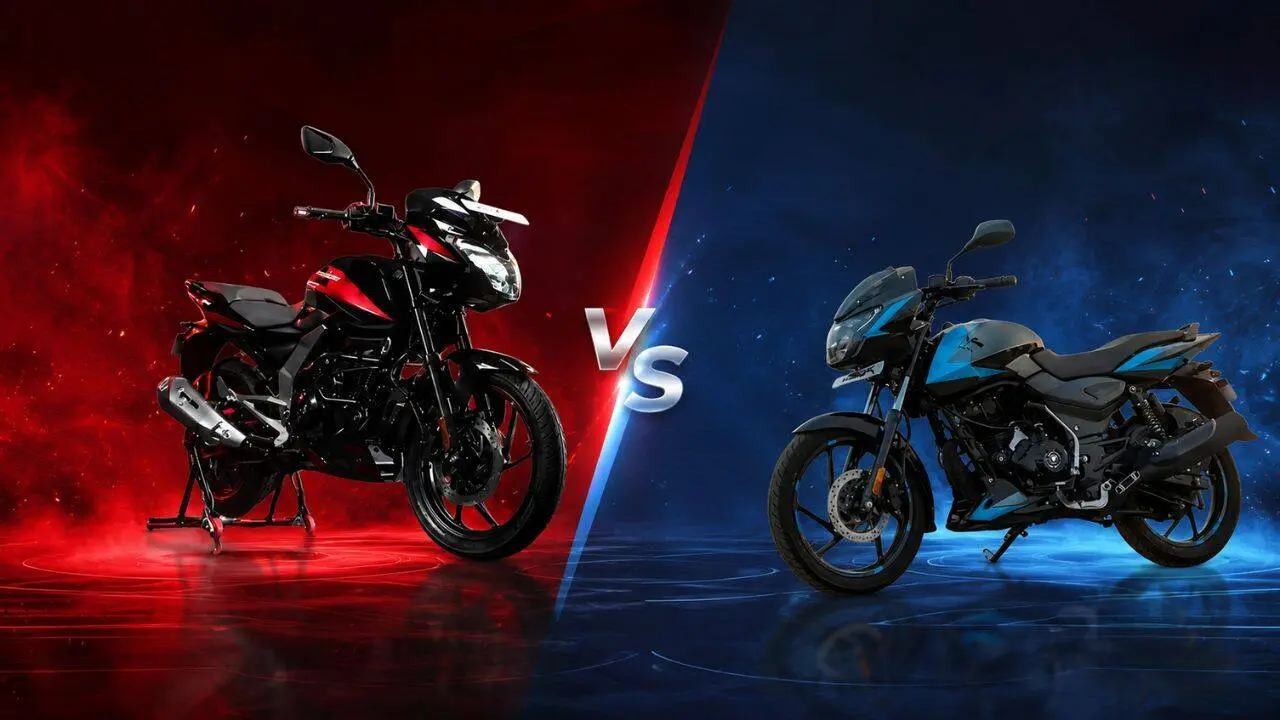
Bajaj Auto has launched the 2026 Pulsar 125 in India at Rs 92,900 (ex-showroom), replacing the old twin-shock rear suspension with a nitrogen gas-charged monoshock and introducing a new diamond-type frame. The 124.58cc engine retains 11.83 hp and 11 Nm output but gains a silent starter and idle start-stop system on higher variants to improve city fuel economy.
The update brings a 5-inch TFT console option with Google Maps mirroring, call alerts and music controls, alongside three ride modes, Road, Rain and Sport, that the outgoing model lacked. Buyers can also choose a simpler LCD cluster. The core Pulsar silhouette carries over, so most changes are mechanical and electronic rather than visual. Deliveries have begun across dealerships.
Indian Opinion Analysis
The monoshock and diamond frame bring the commuter Pulsar 125 in line with architecture Bajaj introduced on its larger-displacement Pulsar models years ago. The shift from a twin-shock setup to a single gas-charged unit matters most on broken city roads and mild cornering, where the older bike's rear end could feel unsettled. For a buyer choosing between the old and new model at a dealership, the real differentiator in daily use is the TFT console with Google Maps mirroring, a feature usually reserved for bikes costing twice as much. Bajaj will watch whether the silent start and idle stop-start system, common on scooters but rare in this segment, actually close the fuel-economy gap with the Honda SP 125, its closest rival. The first owner reviews and real-world mileage figures, likely to appear within weeks, will settle that comparison.
Source: timesnownews.com
This brief was synthesised by AI from the source linked above. Methodology and corrections.