
















Now Reading: 8th Pay Commission: 2.1 factor may deliver bigger hike than 2.57
-
01
8th Pay Commission: 2.1 factor may deliver bigger hike than 2.57


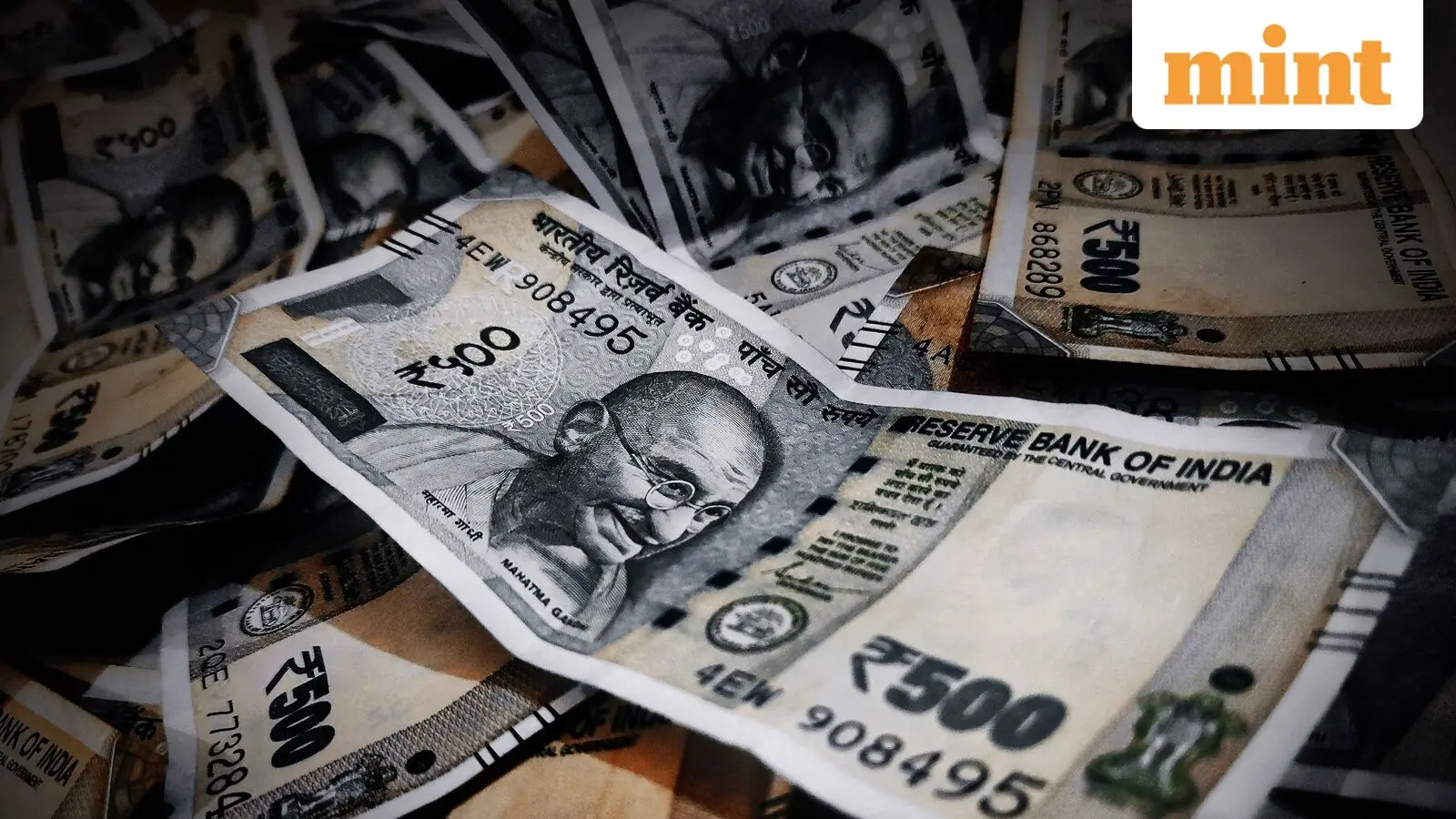
A 2.1 fitment factor proposed for the 8th Pay Commission could deliver a larger effective salary hike than the 7th Pay Commission's 2.57 factor, according to a calculation by All India NPS Employees Federation president Manjeet Singh Patel. The 7th CPC's 2.57 factor raised minimum basic pay from Rs 7,000 to Rs 18,000, but employees were already receiving 125% dearness allowance, making the effective increase about 32%. Patel argues that with DA already at 50%, a 2.1 factor on the current minimum basic of Rs 18,000 would yield a revised basic of Rs 37,800 and an effective hike of around 53%.
The calculation is illustrative and not an official estimate. At a 2.1 factor, basic pay at Level 4 would rise from Rs 25,500 to Rs 53,550, and at Level 13 from Rs 1,23,100 to Rs 2,58,510. The 8th Central Pay Commission has not finalised its recommendations, and the government will decide after it receives the report.
Indian Opinion Analysis
The fitment factor debate is central to every pay commission because it determines how much an employee's basic salary jumps in one go. The 7th Pay Commission's 2.57 factor was applied at a time when dearness allowance stood at 125%, making the effective hike smaller than the headline number. Under the 8th Pay Commission, DA has accumulated to 50% as of January 2025 under the revised DA formula, so the base for comparison is already higher. The actual benefit to a government employee will hinge not just on the fitment factor itself but also on what the government decides about merging DA into basic pay, a demand unions have pressed. Of 48 lakh central government employees and 61 lakh pensioners, a 53% effective rise would add roughly Rs 15,000 crore annually to the salary bill, based on current pay scales.
Source: livemint.com
This brief was synthesised by AI from the source linked above. Methodology and corrections.