












Now Reading: Aadhaar biometric authentication must for LPG subsidy from Oct 1
-
01
Aadhaar biometric authentication must for LPG subsidy from Oct 1


The government has made biometric Aadhaar authentication mandatory for domestic LPG consumers to book subsidised refills from October 1, the petroleum and natural gas ministry said on September 19. As of that…
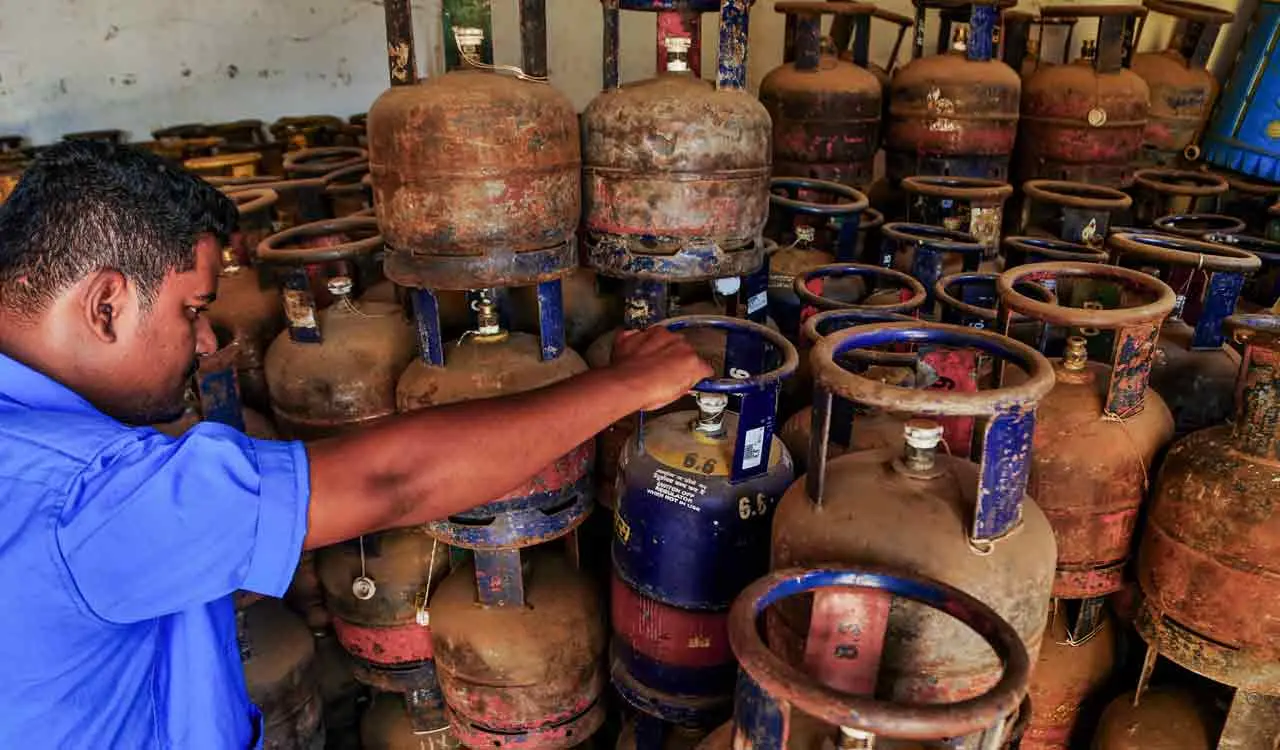
The government has made biometric Aadhaar authentication mandatory for domestic LPG consumers to book subsidised refills from October 1, the petroleum and natural gas ministry said on September 19. As of that date, 27.43 crore active consumers, or 89.9 per cent of the total, had completed the process. Those yet to authenticate can do so at delivery, at a distributor showroom, or via mobile apps of the three state-owned oil marketing companies.
The measure aims to prevent diversion of subsidised cylinders for commercial use and eliminate duplicate connections, the ministry said. Consumers who do not or cannot complete authentication will still get LPG at market price without subsidy. They must register their choice through the oil companies' digital channels and can receive 5-kg or 10-kg cylinders, subject to availability. The government has extended the deadline multiple times since June and has sent over 12 crore SMS and WhatsApp reminders.
The implicit subsidy on a 14.2-kg cylinder was around Rs 210 in September 2026, compared to Rs 721 in June. The government paid OMCs Rs 22,000 crore in compensation in 2022-23 and is paying Rs 30,000 crore in each of 2025-26 and 2026-27. Accumulated under-recoveries at state-owned OMCs exceeded Rs 62,000 crore as of August 31, 2026. The authentication rule creates a clear split between subsidised and market-priced LPG from October 1.
Indian Opinion Analysis
All three sources report the same facts neutrally: the deadline, the 89.9 per cent compliance figure, the exemption for non-authenticated users (at market price), and the government's stated rationale of preventing diversion. The coverage is uniform straight reporting with no discernible slant. The key implication is fiscal: accumulated under-recoveries of over Rs 62,000 crore show the cost of the subsidy programme, and the authentication rule is the government's chosen instrument to cap that burden. The ministry's next data release, likely in October, will show how many consumers opted out of subsidy.
The coverage is uniform straight reporting with no discernible slant. The key implication is fiscal: accumulated under-recoveries of over Rs 62,000 crore show the cost of the subsidy programme, and the authentication rule is the government's chosen instrument to cap that burden. The ministry's next data release, likely in October, will show how many consumers opted out of subsidy.
Coverage: 3 sources, 3 neutral
Sources (3): telanganatoday.com (neutral report), ndtv.com (neutral report), timesofindia.indiatimes.com (neutral report)
This brief was synthesised by AI from the 3 sources linked above, so one read covers every framing they carry.
Updated: this story now draws on 3 sources.