











Now Reading: AI cuts entry-level tech jobs as India’s graduates face slowdown
-
01
AI cuts entry-level tech jobs as India’s graduates face slowdown


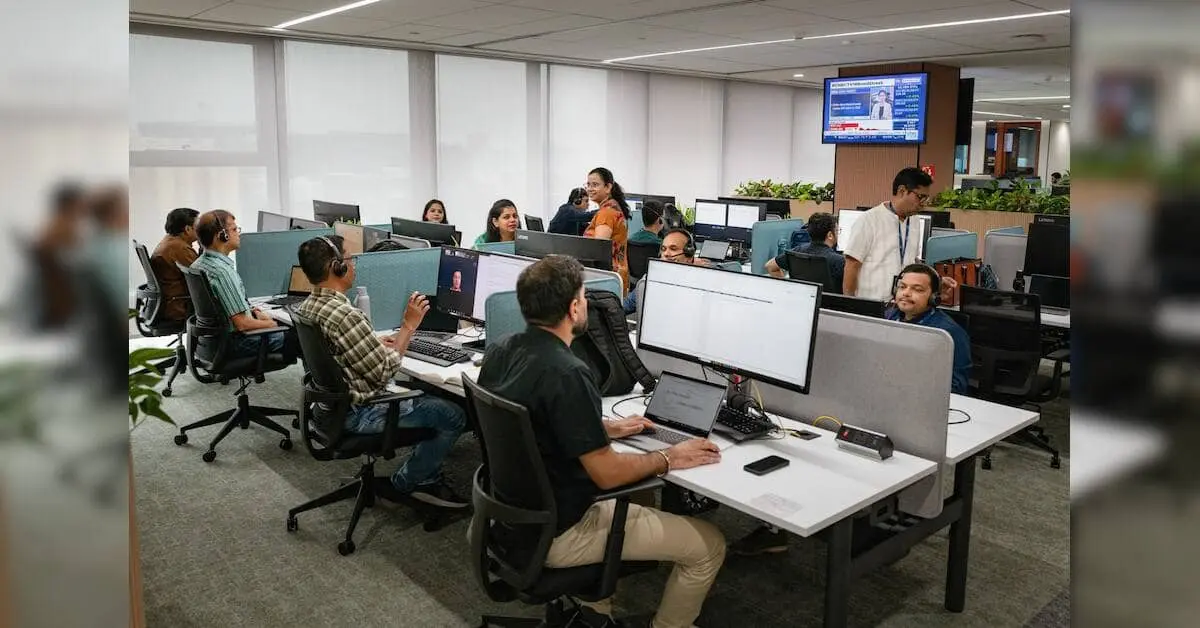
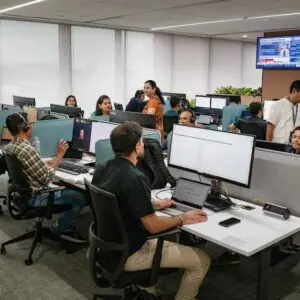
Artificial intelligence is rapidly shrinking entry-level job opportunities at India’s Global Capability Centers (GCCs), the tech hubs run by Wall Street banks in Bengaluru, Hyderabad and Pune. Banking automation of loan checks, account reconciliation and basic coding is cutting the bottom rung of the tech ladder.
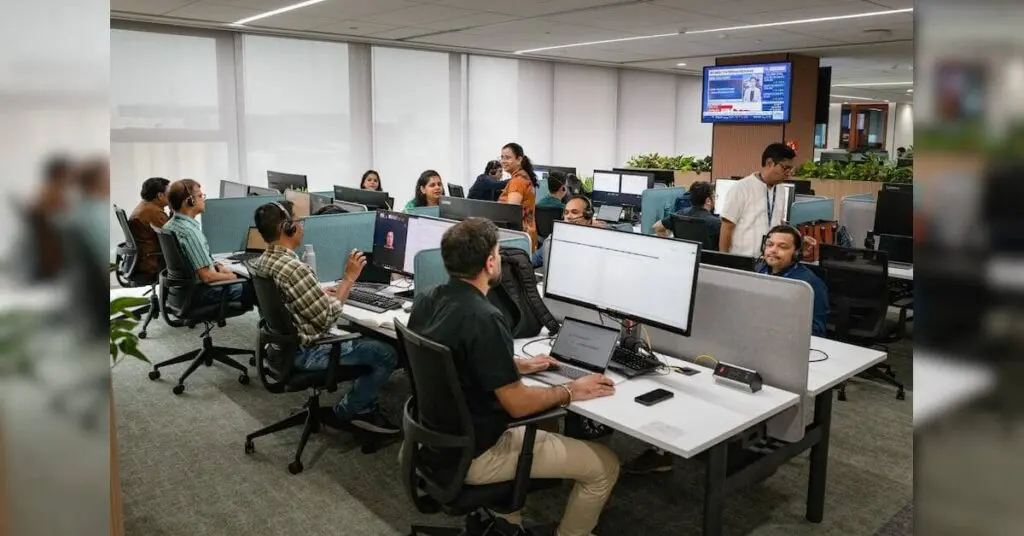
The IT services sector employs about 6 million people, with 2.4 million in GCCs that generated $100 billion in revenue last fiscal year (FY2025-26). Traditional IT firms added just 17 net employees in the first nine months of FY2026-27. GCC hiring is shifting to high-value skills: AI engineers, machine-learning specialists and cybersecurity experts, leaving thousands of fresh graduates competing for fewer entry-level roles.
Indian Opinion Analysis
Both Business Standard and The Economic Times published essentially identical copy on AI’s impact on entry-level GCC jobs, leading with the same case study of engineering graduate Purva Jagtap. The pro-government framing is absent, neither outlet highlights government policy or defends the official narrative. The shared coverage is neutral-report, treating AI-driven job disruption as a market-led phenomenon, with no attribution of blame or credit to any actor. The uniform text presents a balanced picture: GCCs are hiring slower and shifting to high-value skills, while traditional IT firms have nearly frozen fresh intake. The implications the copy itself points to are that India’s graduate workforce faces a structural shift, not mass layoffs but a demand for AI-ready talent, with the concrete next step being the continued expansion of GCCs into niche, high-skill hiring as tracked by industry reports.
Coverage: 2 sources, 2 neutral
Sources (2): business-standard.com (neutral report), economictimes.indiatimes.com (neutral report)
This brief was synthesised by AI from the 2 sources linked above, so one read covers every framing they carry. Methodology and corrections.