





Now Reading: AI deepfakes threaten Indian elections as parties use tech to sway voters
-
01
AI deepfakes threaten Indian elections as parties use tech to sway voters

AI deepfakes threaten Indian elections as parties use tech to sway voters

India's political parties are increasingly using artificial intelligence and deepfakes in campaigning ahead of the next general election, raising concerns that existing laws cannot keep pace with the technology. In Telangana, an AI-generated video of former ruling party leader KT Rama Rao appearing to endorse the opposition Congress party was watched over 500,000 times on Congress's official X account before the state polls. Rao's party lost the election, and Congress formed the new state government.
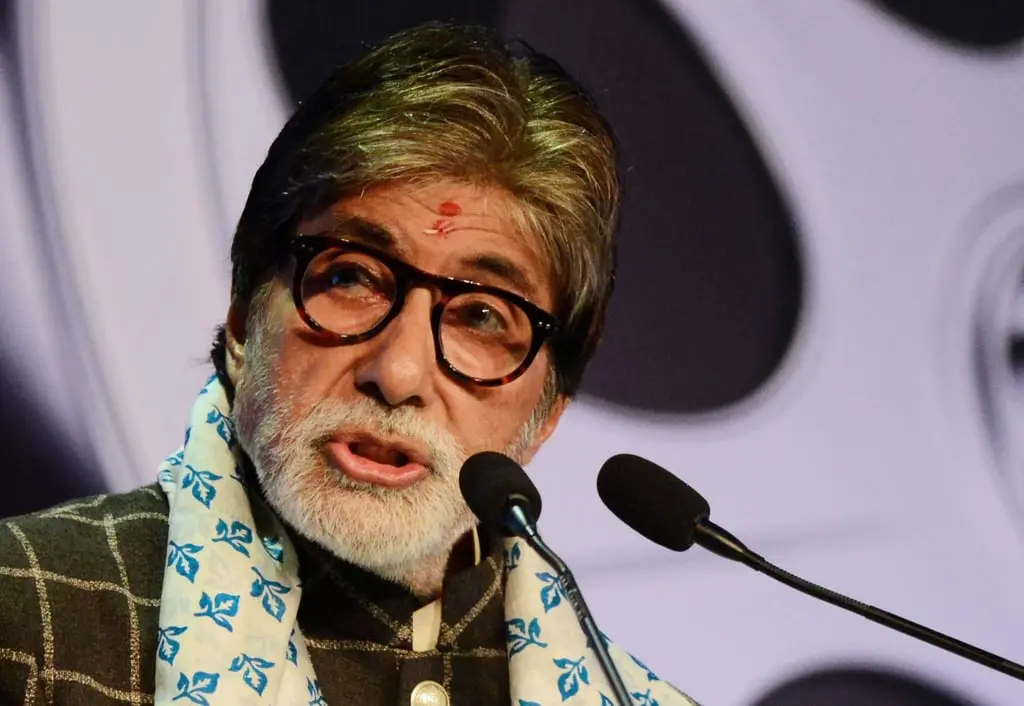
Deepfakes have also targeted Bollywood superstar Amitabh Bachchan. One doctored clip showed him on the game show Kaun Banega Crorepati asking a contestant about a farmer loan-waiver scheme in Madhya Pradesh. The fabricated response criticised then-Chief Minister Shivraj Singh Chouhan and praised political rival Kamal Nath. Observers warn that existing regulations are inadequate to handle the rapid spread of such AI-generated content during elections.
Indian Opinion Analysis
India has no specific law banning deepfakes, though the Information Technology Act and the Indian Penal Code cover impersonation and forgery. The Election Commission has issued advisories against deepfakes but lacks enforcement mechanisms. A comparable precedent is the 2020 US election, where manipulated videos of Joe Biden and Nancy Pelosi spread widely before platforms acted. With over 900 million voters in the next general election, the scale of potential disinformation is unmatched. The key test will be whether the Election Commission issues binding rules or the government brings a standalone bill before Parliament.
Source: scmp.com
This brief was synthesised by AI from the source linked above. Methodology and corrections.