






Now Reading: AI videos alone not forgery, quashes FIR: Himachal HC
-
01
AI videos alone not forgery, quashes FIR: Himachal HC


The Story in Brief
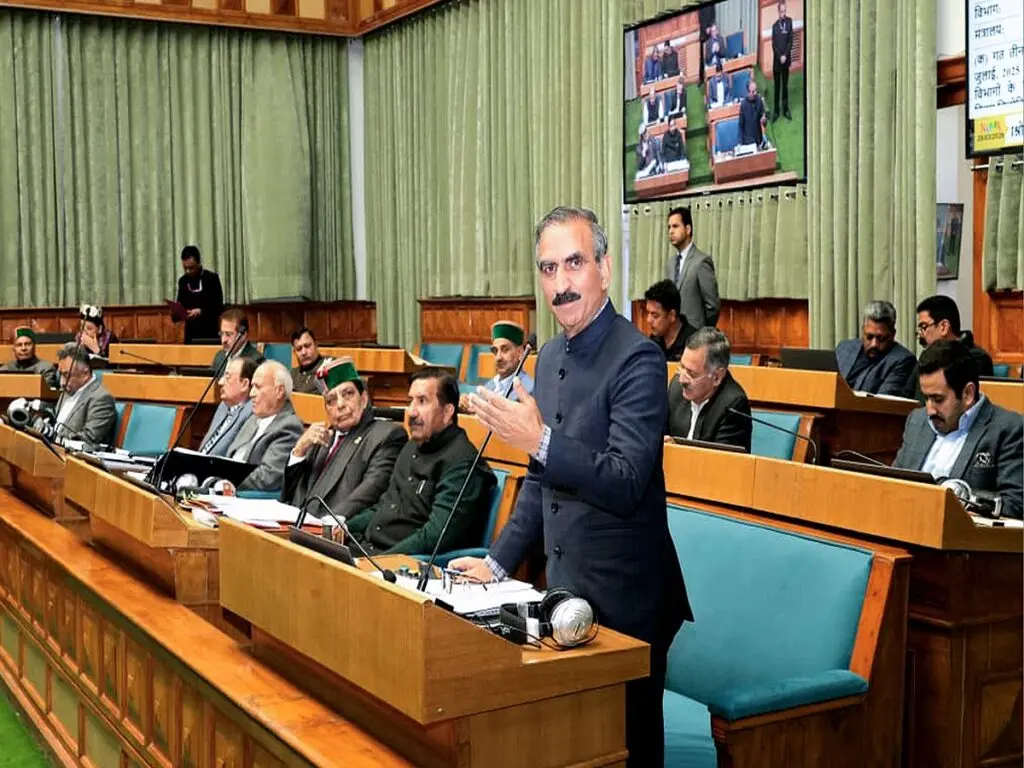
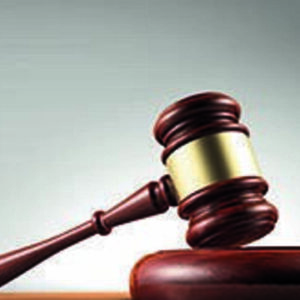
The Himachal Pradesh high court has ruled that circulating AI-generated videos and photographs containing allegedly false and defamatory content does not amount to forgery under the law. Quashing an FIR registered against two persons over Facebook posts, Justice Rakesh Kainthla held that defamation is a non-cognisable offence requiring a complaint before a magistrate, and police cannot investigate it by invoking unrelated cognisable offences.
The case arose from a complaint alleging AI-generated content defamed a man and his family, including posts about a scheme and claims of money collection. Ghumarwin police registered an FIR on 2 September under BNS sections including criminal intimidation, defamation and forgery. The court found the FIR did not allege the content was falsely projected as another's creation or altered without authority. The ruling said the mere presence of false information does not satisfy the legal ingredients of forgery under Section 336(4) of BNS.
Indian Opinion Analysis
Both Times of India and The 420.in present the Himachal Pradesh high court ruling in near-identical neutral-report style, leading with the legal principle that AI-generated content does not automatically constitute forgery. The coverage is uniform straight reporting with no discernible slant from either outlet. The significance of the judgment lies in its clarification that criminal liability for digital content depends on satisfying specific statutory elements, not on the mere presence of AI. The court also reinforced the procedural bar on police investigating non-cognisable defamation through a cognisable FIR. The ruling leaves open how future cases involving AI-generated material will be assessed when the statutory ingredients of forgery are actually alleged.
Coverage: 2 sources, 2 neutral
Sources (2): timesofindia.indiatimes.com (neutral report), the420.in (neutral report)
This brief was synthesised by AI from the 2 sources linked above, so one read covers every framing they carry. Methodology and corrections.