



Now Reading: AIIMS doctors map ‘Ray’s Zone’, ‘Hepatocaval Triangle’ for safer cancer surgery
-
01
AIIMS doctors map ‘Ray’s Zone’, ‘Hepatocaval Triangle’ for safer cancer surgery

AIIMS doctors map ‘Ray’s Zone’, ‘Hepatocaval Triangle’ for safer cancer surgery

The Story in Brief
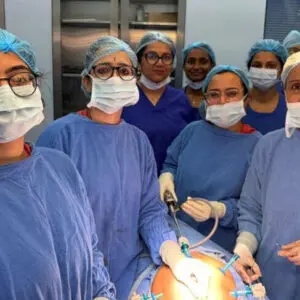
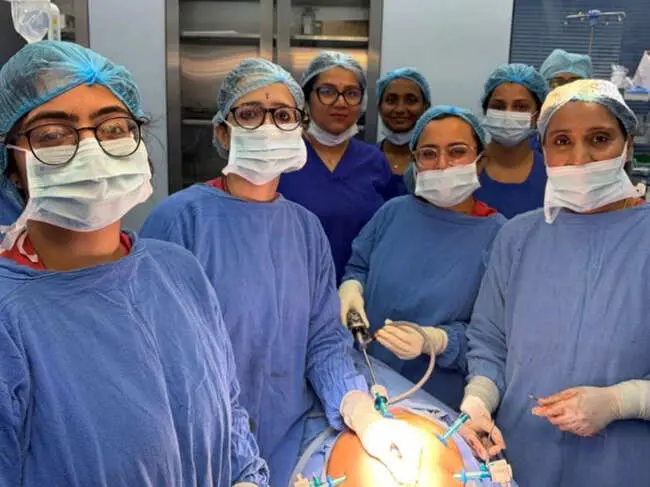
AIIMS Delhi doctors have identified two high-risk anatomical zones to reduce bleeding and prevent organ injury during complex cancer surgery in women. Dr M D Ray and his team at Dr BRA-IRCH named the area below the uterine vessels the ‘Red Alert Zone’ or ‘Ray’s Zone’, where the ureter, bladder, pelvic nerves and key blood vessels lie close together.
The concept emerged from a study of 255 radical or modified radical hysterectomies for cervical, endometrial and ovarian cancers. After analysing anatomy and causes of operative bleeding, the surgical approach was modified for the last 105 cases. Dr Ray has also described ‘Ray’s Hepatocaval Triangle’, relevant during liver mobilisation near the inferior vena cava and major hepatic veins.
Researchers said careful dissection in Ray’s Zone could lower blood loss and reduce ureteric, bladder and pelvic nerve injuries, improving postoperative function and quality of life. The two zones act as anatomical warning points where maximum precision is needed.
Indian Opinion Analysis
Both sources report the same AIIMS findings with near-identical facts, indicating wire copy (PTI) as the common base. Times Now leads with the ‘warning zones’ framing and credits PTI, while the Economic Times leads with the ‘Red Alert Zone’ term and includes a NITI Aayog link that is unrelated to the surgical study. The coverage is uniform straight reporting: neither outlet adds editorial slant, government alignment, or critical commentary. The shared key fact is the 255-hysterectomy study that produced Ray’s Zone and Ray’s Hepatocaval Triangle. What remains open is the rate of clinical adoption: the study’s modified approach was applied to only the last 105 of 255 cases.
Coverage: 2 sources, 2 neutral
Sources (2): economictimes.indiatimes.com (neutral report), timesnownews.com (neutral report)
This brief was synthesised by AI from the 2 sources linked above, so one read covers every framing they carry. Methodology and corrections.