




















Now Reading: Unplanned sarcoma removals raise treatment complexity, AIIMS study finds
-
01
Unplanned sarcoma removals raise treatment complexity, AIIMS study finds

Unplanned sarcoma removals raise treatment complexity, AIIMS study finds

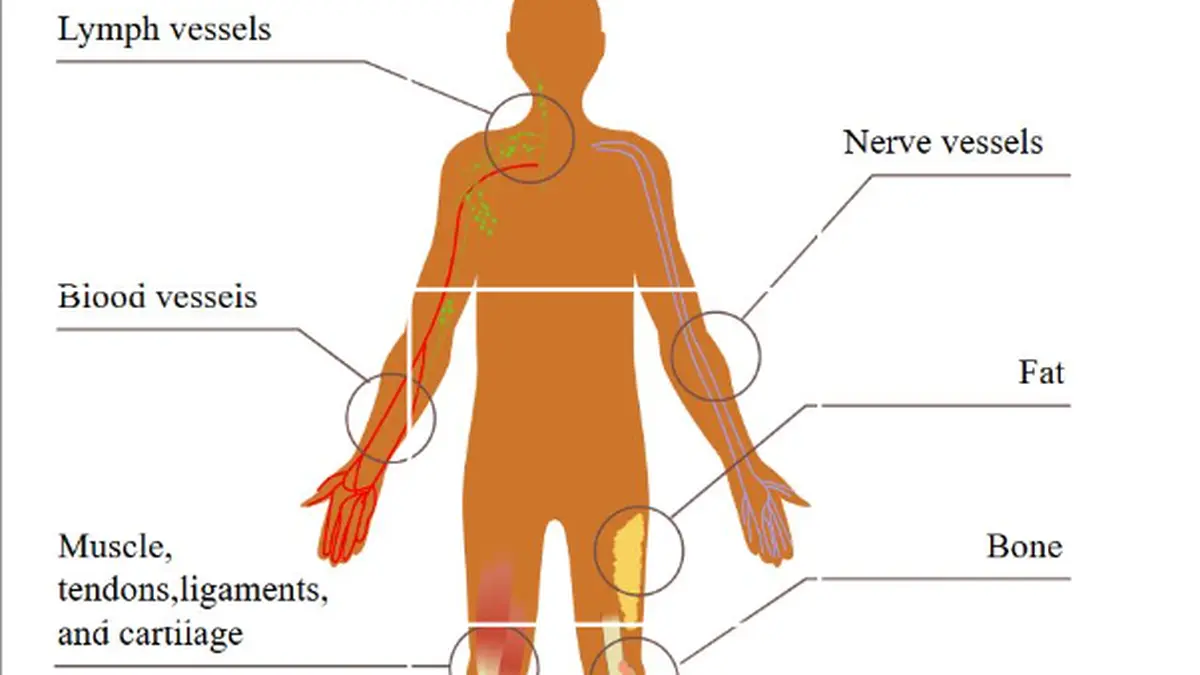
The Story in Brief
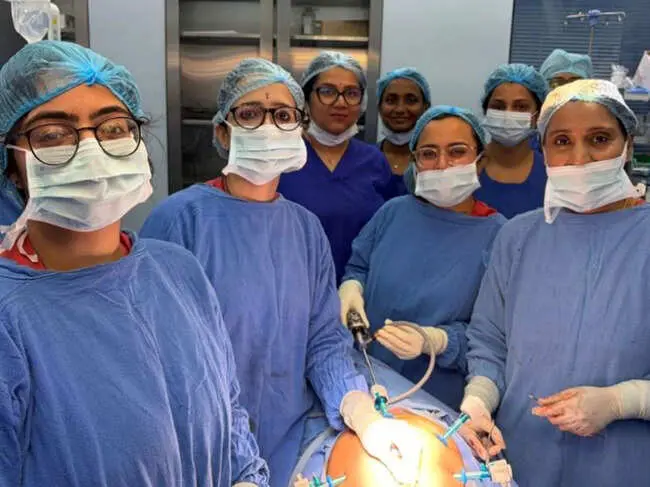
More than 70% of synovial sarcoma patients at AIIMS Delhi reached a specialist centre only after an unplanned surgery or recurrence, according to a retrospective analysis of 157 cases. Soft-tissue sarcomas, rare cancers forming in fat, muscles and blood vessels, often resemble ordinary lumps, leading to removal without preoperative imaging or oncological planning. Limb salvage was still achieved in 64% of patients despite prior inappropriate operations, the study found.

An unplanned excision occurs when a soft-tissue sarcoma is removed without proper histological confirmation or a surgical plan. While it does not automatically destroy the chance of cure, it can increase local recurrence risk and often necessitates a second, wider operation. Signs warranting specialist referral include an enlarging mass of 5 cm or larger, a lump deep to the fascia, suspicious imaging features, or recurrence after removal. Guidelines recommend assessment at a sarcoma centre before biopsy or surgery is performed.
Three common beliefs are harmful and unsupported: that a painless lump is harmless, that biopsy is more dangerous than diagnosis, and that sarcoma automatically means amputation. The AIIMS data show that prompt referral to a sarcoma team can preserve meaningful treatment options even after an earlier misstep.
Indian Opinion Analysis
India’s sarcoma problem combines two distinct failures: detection too late and surgery too early. The AIIMS data show 70% of synovial sarcoma patients arrive at a specialist centre only after a botched first operation. The stakes are high because a single unplanned removal can escalate treatment from a straightforward limb-salvage surgery, achievable in 64% of cases even after a misstep, to complex reconstruction or amputation. Sarcomas are rare (1% of adult cancers), which means most lumps are benign, but the 5 cm-or-deep-fascia threshold gives clinicians a clear referral rule. The next signal to watch is whether the government or NCDIR begins tracking pre-referral excision rates, which would reveal whether the message is reaching peripheral hospitals.
Source: thehindu.com
This story was synthesised by AI from the source linked above. Methodology and corrections.