



















Now Reading: Allahabad High Court: Waqf registration date does not prove creation
-
01
Allahabad High Court: Waqf registration date does not prove creation


The Story in Brief
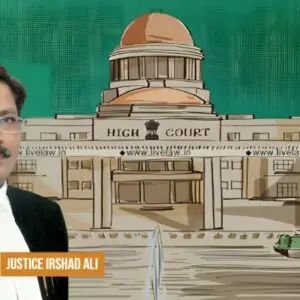
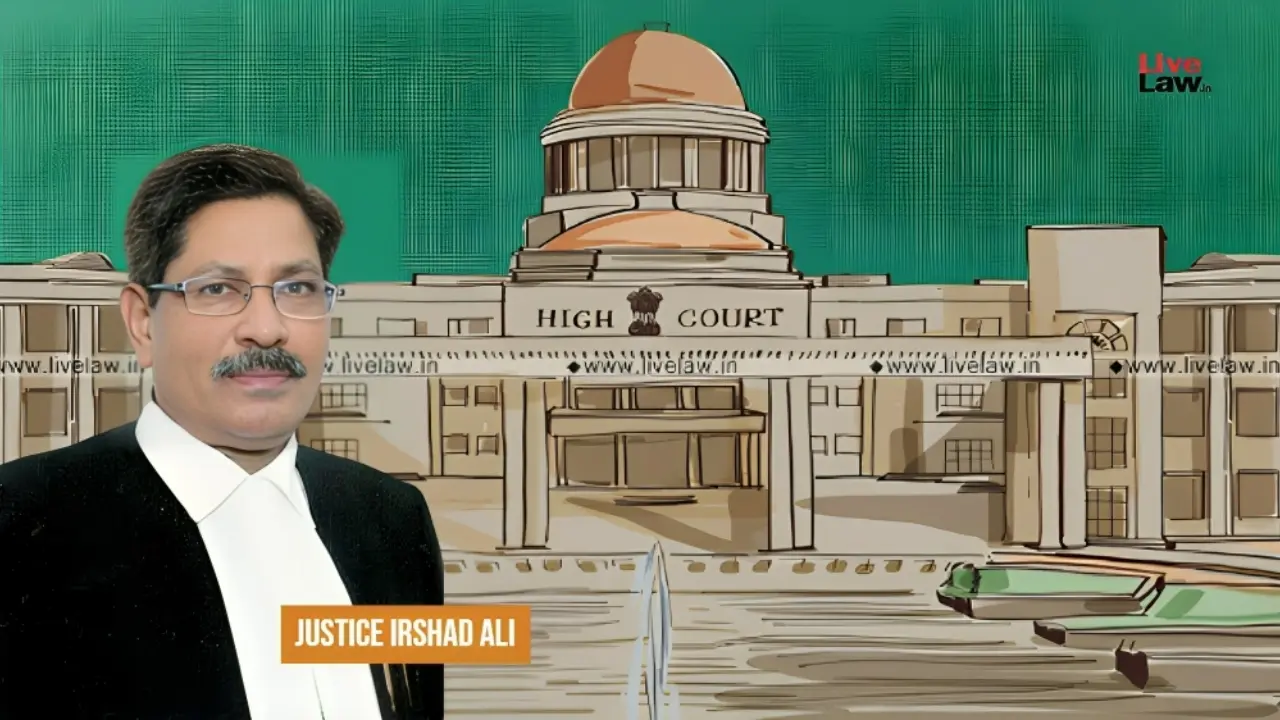
The Allahabad High Court has held that the date of submission of an application for Waqf registration and the date of issuance of the registration certificate do not, by themselves, establish when the Waqf came into existence. Justice Irshad Ali, dismissing a review petition by the State of Uttar Pradesh, ruled that the distinction between the creation of a Waqf and its subsequent registration is material. A claim of an earlier oral Waqf cannot be displaced merely because the registration application was filed after the cut-off date for exemption under the Uttar Pradesh Imposition of Ceiling on Land Holdings Act, 1960.
The dispute involved 278 Bighas of land in Faizabad. The State had argued that since the registration application was submitted on 22 November 1959 and the certificate issued on 23 March 1973, the land could not qualify for exemption under Section 6(f) of the Ceiling Act, which requires the land to have been held by a public Waqf before 1 May 1959. The respondents countered that the Waqf was created by oral dedication in 1936. The court said the State's argument could not displace the claim without further examination of the evidence on the alleged dedication.
Indian Opinion Analysis
Both livelaw.in and verdictum.in reported the Allahabad High Court's order nearly identically, with neither outlet adopting a pro-government or critical frame. livelaw.in opened with the legal principle that registration dates do not determine when a waqf was created, while verdictum.in led by noting the review was dismissed, a minor presentational difference. The coverage is uniform straight reporting: both outlets reproduced the court's distinction between creation and registration, the State's argument that the late registration disproved an earlier oral waqf, and the court's refusal to reopen evidence in review. The court has kept the substantive question, whether the oral dedication in 1936 and the exemption claim under the Ceiling Act stand, alive for a merits hearing, which the State cannot relitigate through review.
Coverage: 2 sources, 2 neutral
Sources (2): livelaw.in (neutral report), verdictum.in (neutral report)
This brief was synthesised by AI from the 2 sources linked above, so one read covers every framing they carry. Methodology and corrections.