













Now Reading: Alstom joint venture generates Rs 60,000 crore economic output
-
01
Alstom joint venture generates Rs 60,000 crore economic output


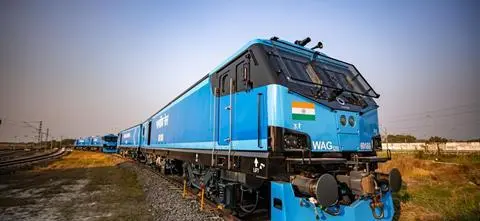
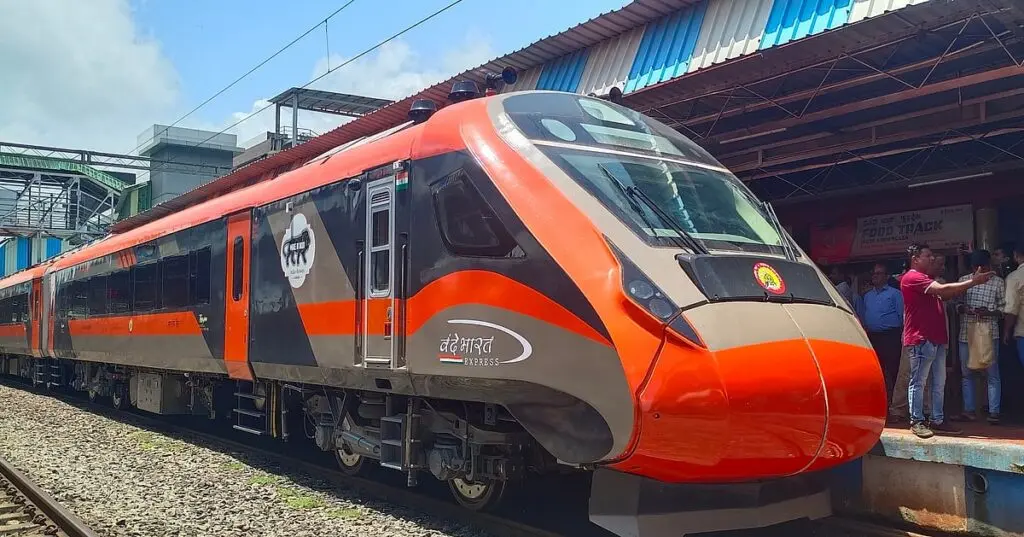
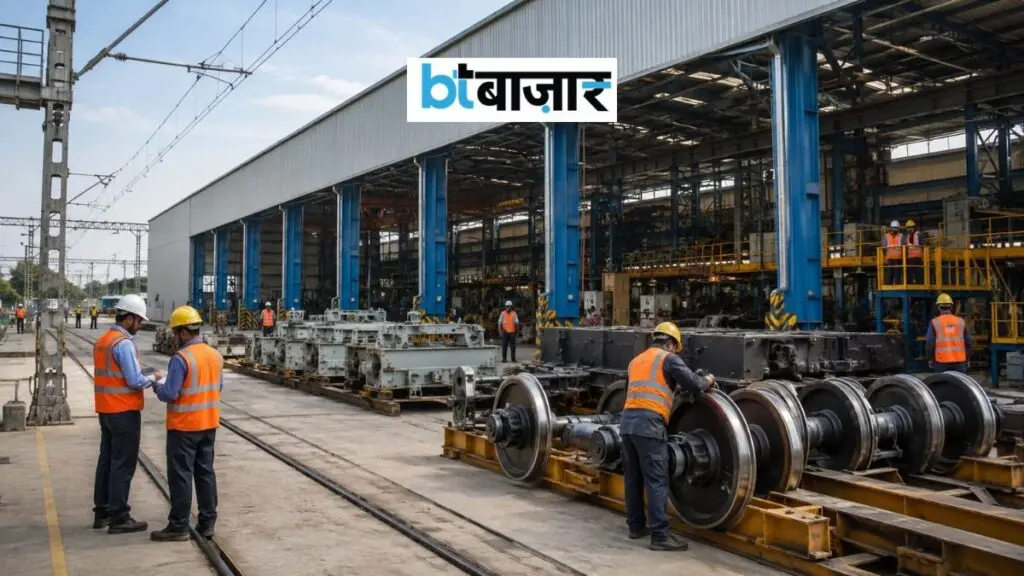
Alstom has released a socio-economic impact assessment showing that its Madhepura Electric Locomotive Private Limited (MELPL) joint venture with Indian Railways has supported an estimated economic output of Rs 60,000 crore and generated Rs 23,800 crore in Gross Value Added across the Indian economy between FY20 and FY26. The EUR 3.5 billion venture, the largest foreign direct investment in India's rail sector, manufactures and maintains 800 WAG-12B electric locomotives.
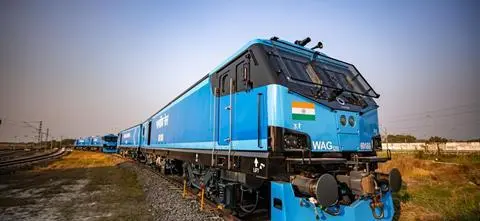
The study, reported by Global Railway Review and marketscreener.com, highlights that in FY24, MELPL's GST contribution equalled 1% of Bihar's total GST collections, while its direct Gross Value Added represented 4.6% of Madhepura district's economy. The project has sustained an average of 2,300 jobs annually, with its direct workforce accounting for 12% of registered factory employment in Madhepura. Alstom has achieved nearly 90% localisation, making India the sixth country capable of producing 12,000 HP electric locomotives domestically.
Beyond manufacturing, the locomotives support the Dedicated Freight Corridors and the National Rail Plan's goal of increasing rail's freight modal share to 45%. Over Rs 17 crore has been invested in community programmes including mobile healthcare, STEAM education, and livelihood support. Alstom officials said the project represents a landmark in rail modernisation and shared prosperity with Bihar.
Indian Opinion Analysis
Both sources carry Alstom's press release virtually verbatim, presenting the MELPL joint venture as an unqualified success. The coverage is uniformly promotional, with no independent scrutiny, no government or opposition comment, and no mention of any cost overruns, delays, or criticisms that might attend a EUR 3.5 billion public-private project. The careful reader should note that a company-commissioned impact assessment is, by nature, an advocacy document. The real test will come when third-party audits or parliamentary committees examine the project's cost-to-benefit ratio and its actual freight modal share contribution against National Rail Plan targets.
Coverage: 2 sources, 2 neutral
Sources (2): marketscreener.com (neutral report), globalrailwayreview.com (neutral report)
This story was synthesised by AI from the 2 sources linked above. Methodology and corrections.
Updated: this story now draws on 2 sources.