
















Now Reading: Alstom-Indian Railways JV generated Rs 60,000 crore economic output
-
01
Alstom-Indian Railways JV generated Rs 60,000 crore economic output


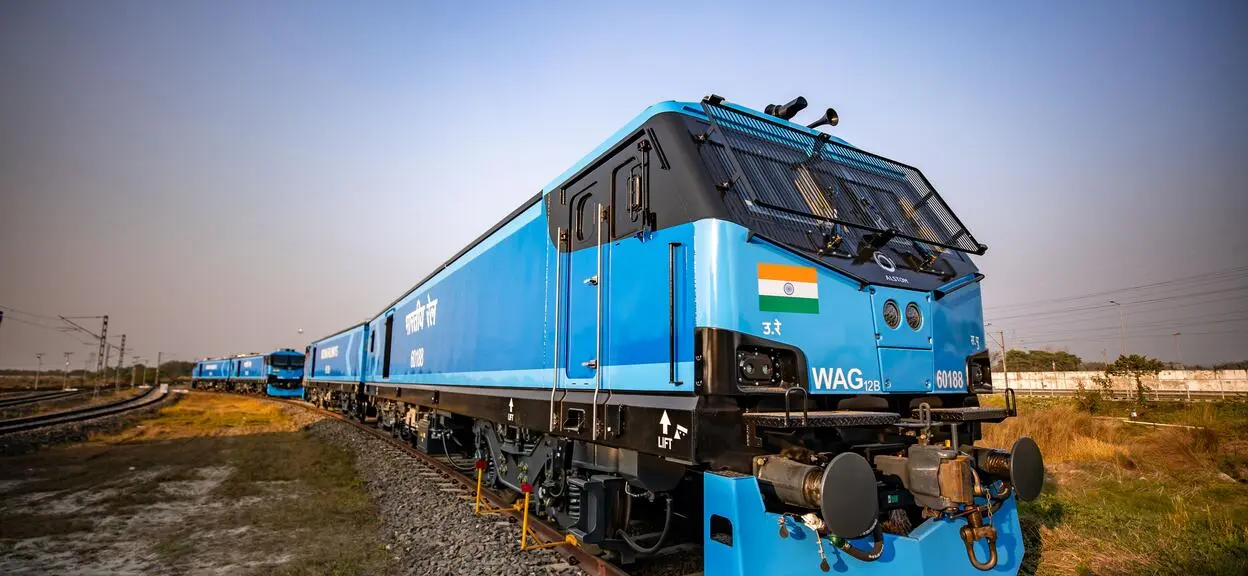
A joint venture between Alstom and Indian Railways, Madhepura Electric Locomotive Private Limited (MELPL), supported an estimated Rs 60,000 crore in economic output across India between financial years 2020 and 2026, according to a socio-economic impact assessment conducted with Dun & Bradstreet. The study, released by Alstom, says the project generated or supported Rs 23,800 crore in Gross Value Added (GVA).
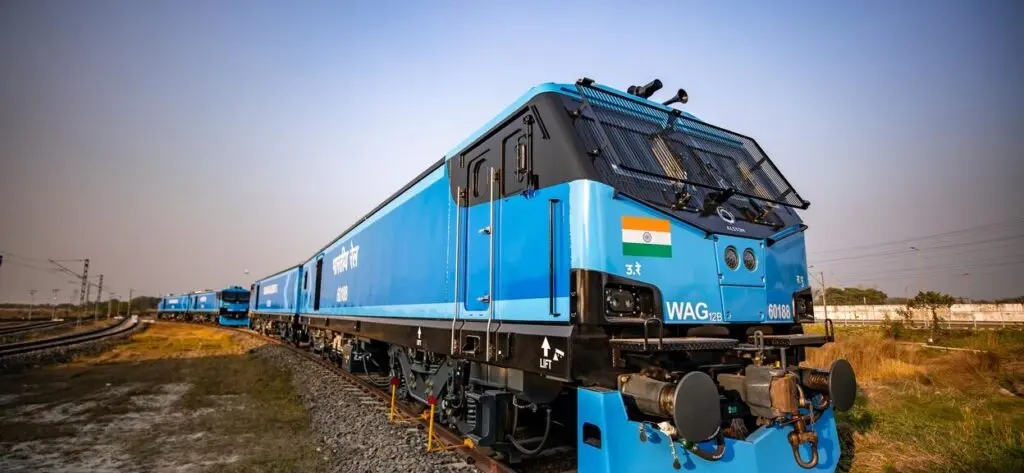
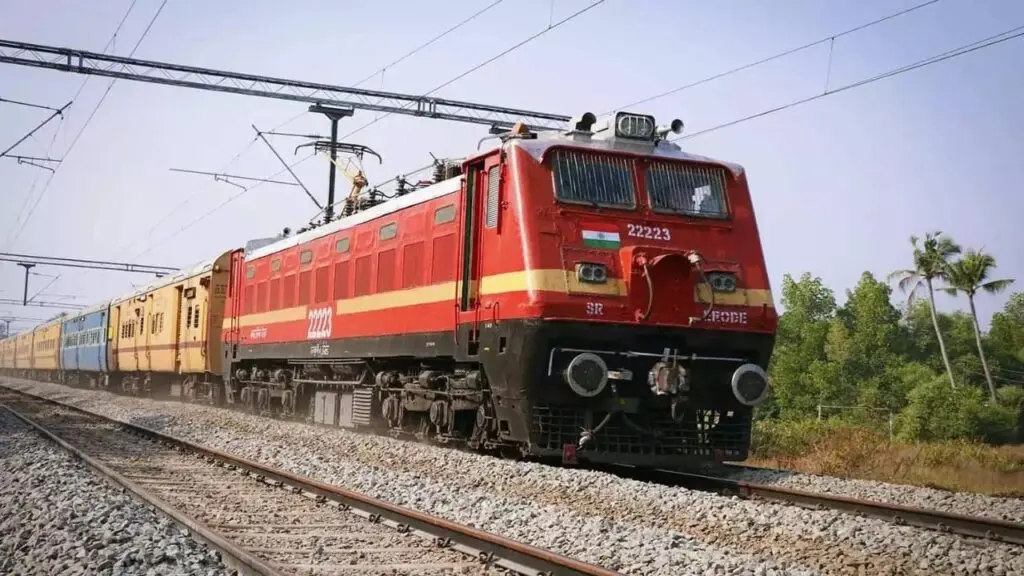
In financial year 2024, MELPL's GST contribution equalled 1% of Bihar's total GST collections, and its direct GVA was 4.6% of Madhepura's Gross District Domestic Product. The facility, which manufactures 12,000-horsepower WAG-12B electric locomotives for freight corridors, has sustained an average of 2,300 jobs annually nationwide. Alstom says the project has achieved nearly 90% localisation and represents the largest foreign direct investment in India's railway sector at 3.5 billion euros.
The assessment notes the facility helped shift Madhepura's economy from agrarian to industrial, and that CSR initiatives included mobile healthcare for nearly 10,000 patients and STEAM education for over 2,000 students. Alstom managing director Olivier Loison said the joint venture supports the government's Viksit Bharat vision. The locomotives are deployed on Dedicated Freight Corridors, supporting a National Rail Plan target to raise rail's freight modal share to 45%.
Indian Opinion Analysis
All three sources present the study's findings as a positive story of industrial and social transformation, with no critical or opposing perspective included. The Alstom and railway-news.com versions lead with the Rs 60,000 crore output figure and highlight the project's alignment with the government's Make in India and Viksit Bharat agendas. The WebWire copy is a near-verbatim reproduction of Alstom's press release. The coverage is uniformly promotional, emphasising localisation, job creation, and CSR while omitting any mention of cost overruns, delays, or environmental concerns. A careful reader should note that the study was commissioned by Alstom itself, and no independent verification of the claimed economic multipliers is provided. The key number to watch is whether the 45% rail freight modal share target is met by 2030.
Coverage: 3 sources, 3 pro-government
Sources (3): railway-news.com (pro government), alstom.com (pro government), webwire.com (pro government)
This story was synthesised by AI from the 3 sources linked above. Methodology and corrections.
Updated: this story now draws on 3 sources.