








Now Reading: Amit Shah warns infiltrators threaten India, says country not a dharamshala
-
01
Amit Shah warns infiltrators threaten India, says country not a dharamshala

Amit Shah warns infiltrators threaten India, says country not a dharamshala

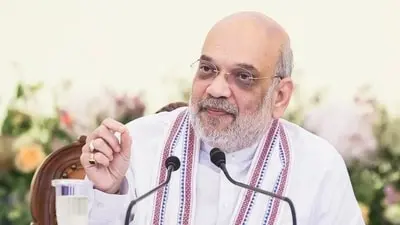
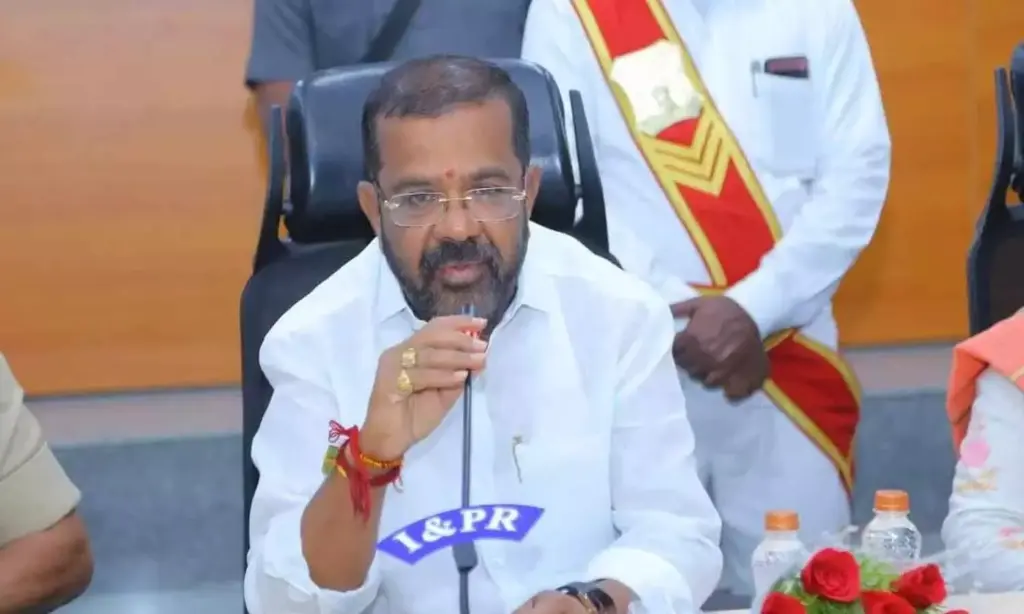
Union Home Minister Amit Shah said on Tuesday that only Indian citizens have the right to live in the country, warning that infiltrators threaten security, economy and demographics. Speaking at the closing session of the Intelligence Bureau's National Security Strategy conference, Shah said: "This country is not a dharamshala." He said the government has shared a four-pronged approach to border security with states after visiting all land border states over the past eight months, with a goal to make India free of infiltrators soon.
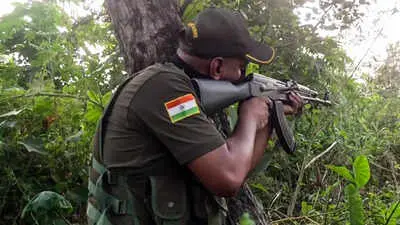
Shah also directed state police to implement the Narcotics Control Vision document 2026-2029 and follow a "Detect, Disrupt and Destroy" approach for a drug-free India. He criticised previous governments for not tackling narcotics, Naxalism and northeast insurgency earlier, claiming those challenges have now been eliminated. The Supreme Court used similar "dharamshala" language in a May 19 ruling while declining to intervene in a Sri Lankan national's deportation case.
Indian Opinion Analysis
Hindustan Times and Times Now both lead with Shah's quote verbatim and frame his remarks as a security policy statement. Hindustan Times adds context by citing the Supreme Court's use of the same phrasing and Shah's criticism of previous governments, giving the speech a more layered frame. Times Now keeps the coverage tighter, treating the speech as a straightforward directive. Neither outlet deviates from reporting Shah's own words, so the coverage is uniform straight reporting. The implication is that the 'dharamshala' remark is now a standard government trope, and the NSS conference's focus on a four-pronged border plan and drug control targets will face testing through implementation metrics.
Coverage: 2 sources, 2 neutral
Sources (2): hindustantimes.com (neutral report), timesnownews.com (neutral report)
This brief was synthesised by AI from the 2 sources linked above, so one read covers every framing they carry. Methodology and corrections.
Updated: this story now draws on 2 sources.