














Now Reading: Anupriya Patel ties women’s quota to more Lok Sabha seats
-
01
Anupriya Patel ties women’s quota to more Lok Sabha seats


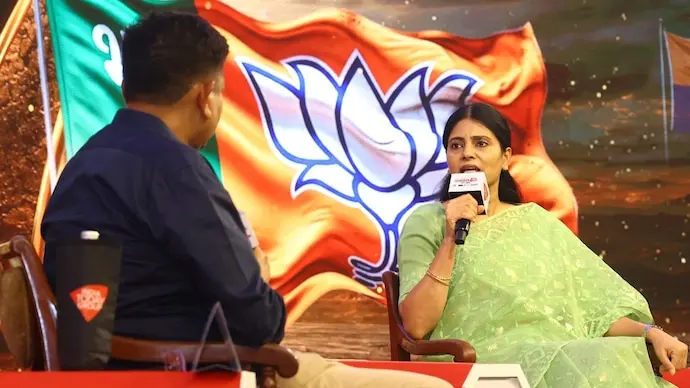
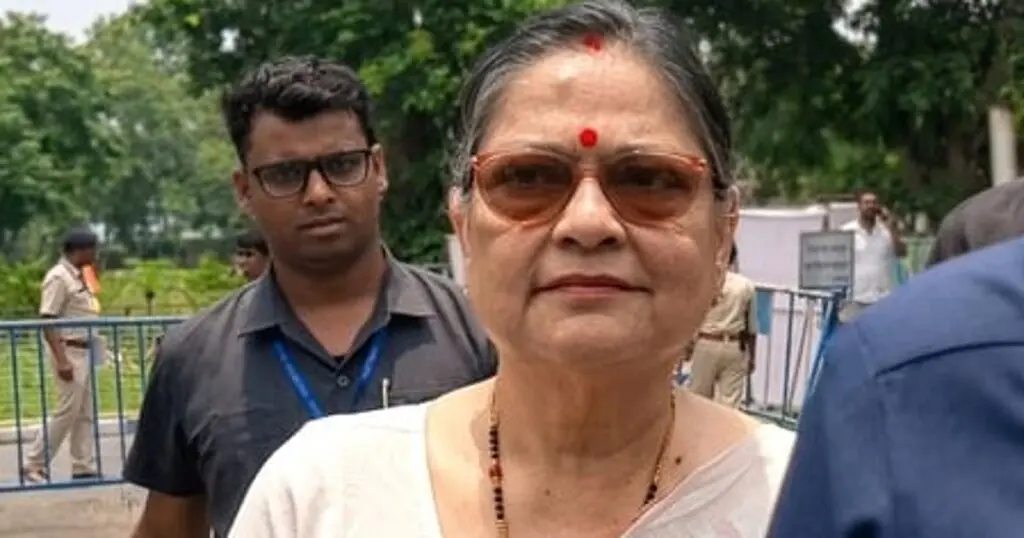
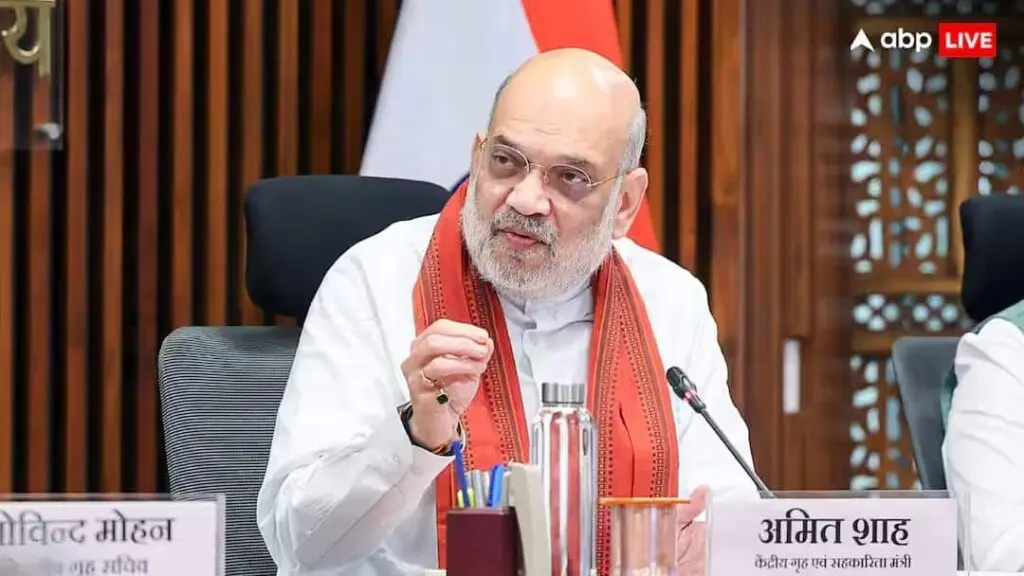
Union Minister Anupriya Patel has said the implementation of 33 per cent women's reservation in Parliament must be accompanied by an increase in the total number of Lok Sabha seats. Speaking at the India Today Women Summit 2026, the Minister of State for Health and Family Welfare argued that the current strength of 543 seats does not offer enough room to accommodate the quota without affecting sitting male MPs.
"Lots of seats held by male MPs will go away. Their heart is pumping fast, across parties, that is the sentiment," Patel said. She added that population growth and parliamentary representation must be addressed together as the government works to operationalise the Women's Reservation Act. Patel also said political parties could do more to increase women's representation and asked what stops them from giving more tickets to women.
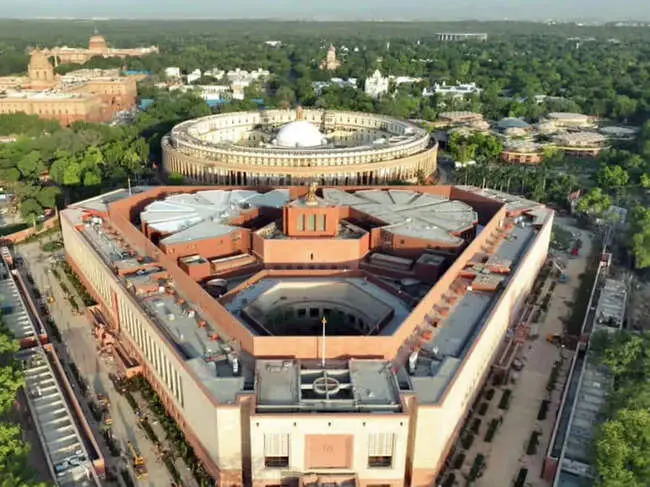
The Union minister's remarks come as the Centre pushes to fast-track constitutional changes needed for the Nari Shakti Vandan Adhiniyam, which reserves 33 per cent of seats in the Lok Sabha and state assemblies for women. The proposal is closely linked to delimitation and the number of parliamentary seats, making it a politically sensitive issue.
Indian Opinion Analysis
Patel's demand links two politically charged questions: women's reservation and delimitation. The last delimitation based on population was done using 1971 census data to keep southern states' seat share from shrinking due to better population control. Any fresh exercise that raises seats in proportion to current population would shift political weight towards the Hindi heartland, a change that southern and eastern states oppose. The Women's Reservation Act itself, passed in 2023, cannot take effect until a new delimitation is completed. Patel's call to expand the House before applying the quota puts the sequence in sharp focus: the government must first resolve the north-south seat allocation deadlock. The next Census, which will supply the population figures for any delimitation, is due to begin in 2027.
The number of parliamentary seats has been frozen at 543 since 1976. A new delimitation would likely raise that figure significantly, possibly to over 800, based on population projections. This would create room for both the women's quota and existing male incumbents, but it would also redraw constituency boundaries across the country. The political calculations are complex: parties that dominate the northern belt stand to gain seats, while those with southern strongholds risk losing proportional influence. The government has not announced a timeline for the Census or delimitation, so Patel's statement may signal an attempt to build political consensus for both exercises simultaneously.
Source: indiatoday.in
This story was synthesised by AI from the source linked above. Methodology and corrections.