Now Reading: Modi urges parties to implement 33% women’s reservation swiftly
-
01
Modi urges parties to implement 33% women’s reservation swiftly


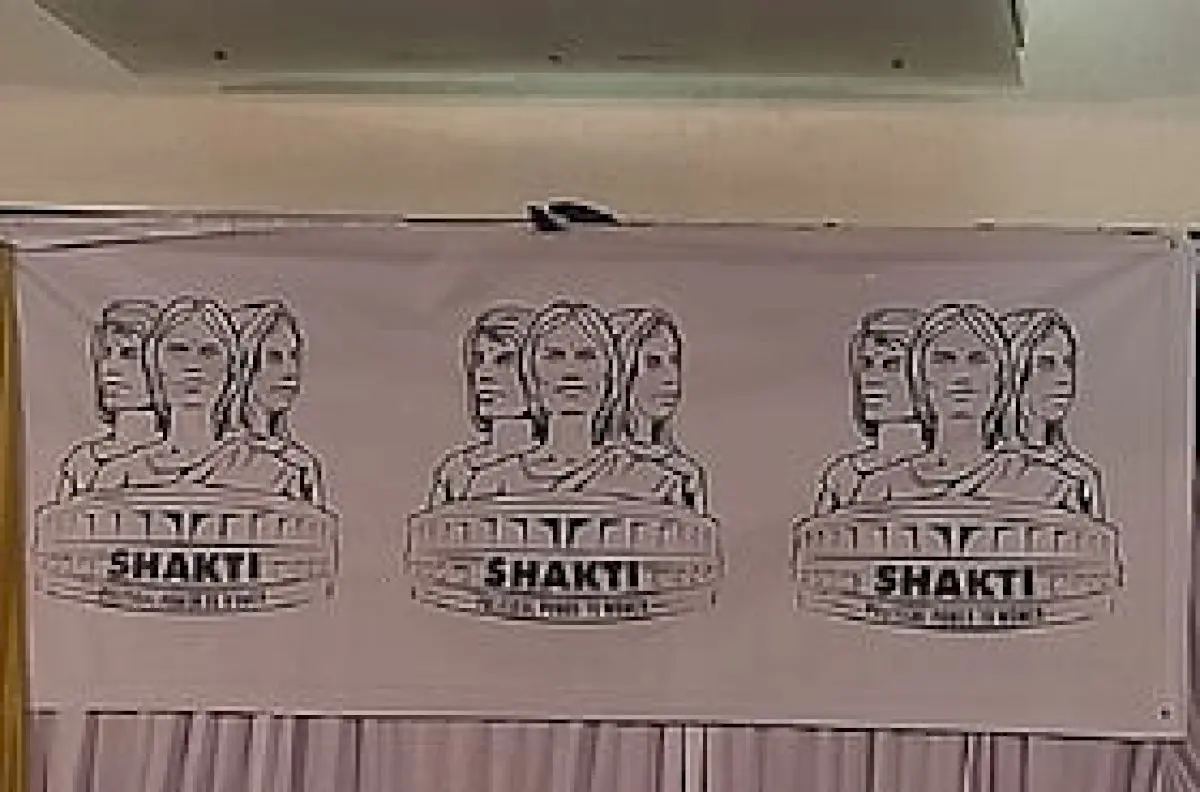
Prime Minister Narendra Modi urged political parties on Independence Day to ensure 33% reservation for women in the Lok Sabha and state assemblies. He said the measure would help women shape public…
The Story in Brief
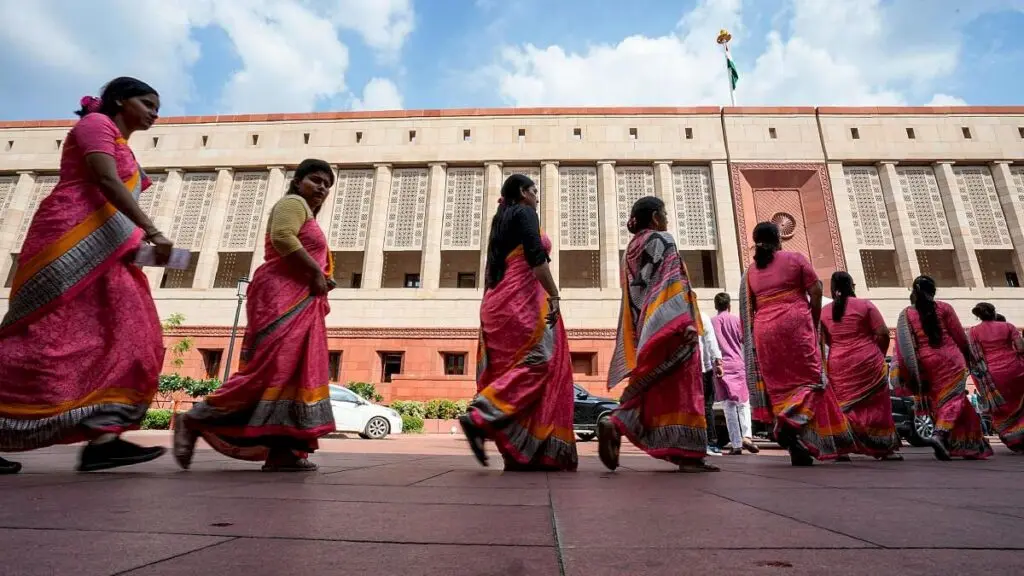
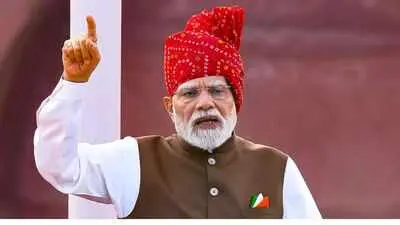
Prime Minister Narendra Modi urged political parties on Independence Day to ensure 33% reservation for women in the Lok Sabha and state assemblies. He said the measure would help women shape public policy and pointed to their work in panchayats, municipalities and municipal corporations. The Nari Shakti Vandan Adhiniyam, passed by Parliament in 2023, proposes the reservation after delimitation. The Times of India reports that the Constitution (131st Amendment) Bill fell in the Lok Sabha on April 17 after failing to secure the required two-thirds majority of members present and voting.
The News Minute reports that women made up 800 of 8,360 Lok Sabha election candidates in 2024, or 9.6%. It argues that party ticket distribution, social privilege and the absence of an OBC sub-quota could shape who benefits from the proposed seats.
The Indian Opinion
The easy story is that passing a quota automatically creates equal political power. The opposite claim, that women lack suitable candidates, is equally lazy. The 2024 candidate figures show parties have not built a broad pipeline, while concerns about proxy candidates and unequal access deserve scrutiny rather than slogans. The immediate test is whether parties field women beyond political families and whether the constitutional process reaches the required majority.
Sources (2): thenewsminute.com, timesofindia.indiatimes.com
This story was synthesised by AI from the 2 sources linked above.
Updated: this story now draws on 2 sources.