






Now Reading: Apex court urges voluntary cracker choice, not bans, for Diwali
-
01
Apex court urges voluntary cracker choice, not bans, for Diwali


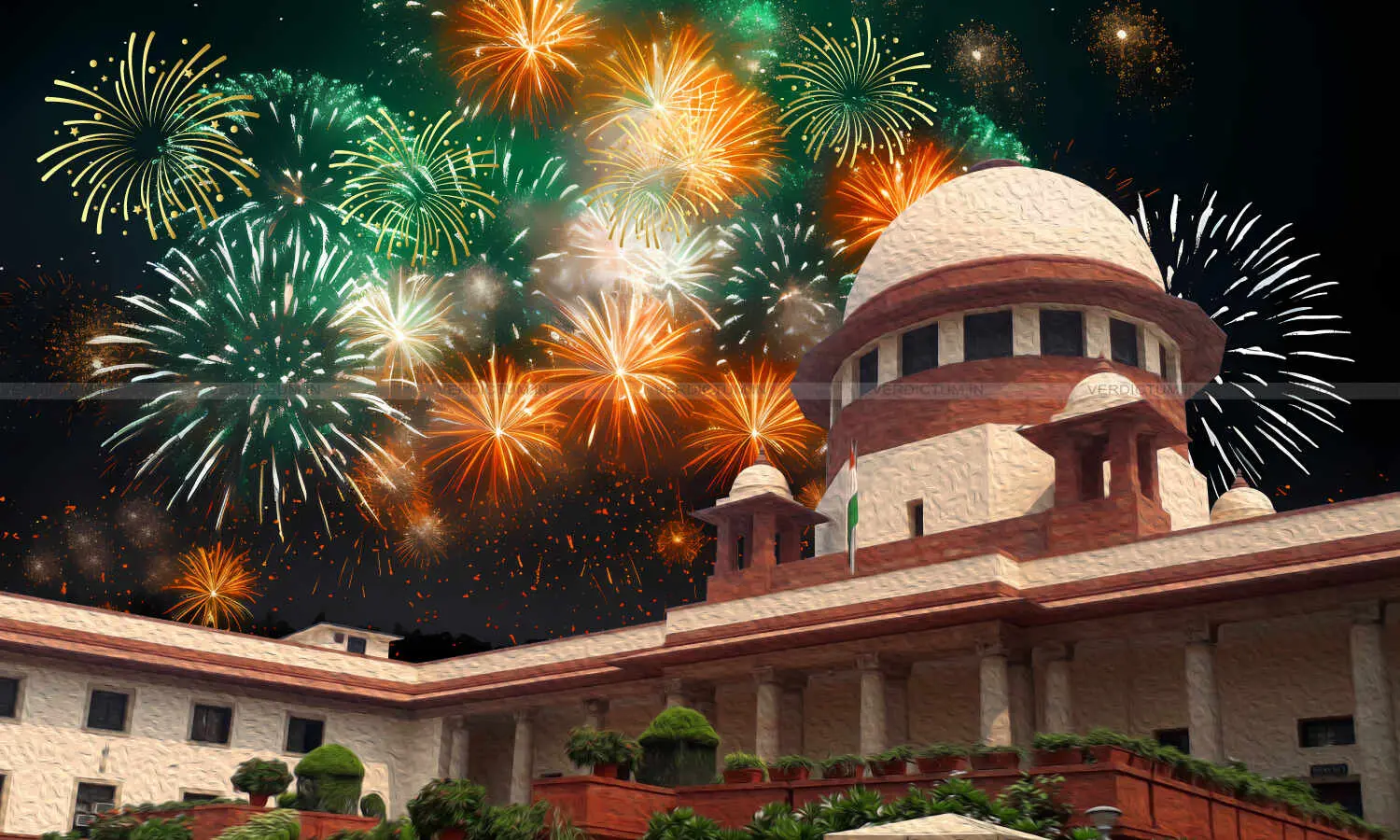
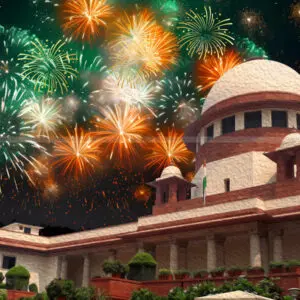
The Supreme Court on 12 October said it would not hurt religious sentiments but wanted to create a ‘welcoming preference’ for voluntary adoption of safer firecrackers over coercive bans in Delhi-NCR. A bench of Chief Justice Surya Kant, Justice Joymalya Bagchi and Justice V Mohana heard arguments in the air pollution case, previously known as MC Mehta v. Union of India.
The court favoured public awakening and education on harmful effects of certain crackers, restricting their sale and timing, rather than blanket prohibitions it said faced enforcement hurdles. Senior advocate Aparajita Singh, the amicus curiae, argued that police could not monitor every street and warned that children’s health should not be sacrificed for tradition. The court is scheduled to hear the matter again on 15 October.
Indian Opinion Analysis
Both verdictum.in and openthemagazine.com quote the Supreme Court’s emphasis on voluntary awareness over coercive bans, but they frame the core tension differently. Verdictum.in leads with the Chief Justice’s detailed remarks on not hurting religious sentiments and building a ‘welcoming preference,’ giving significant space to the traders’ arguments and the amicus’s implementation doubts. Openthemagazine.com instead leads with the conflict between religious tradition and health, highlights Justice Bagchi’s question on whether firecrackers are essential to religious observance, and foregrounds the amicus’s criticism that children’s health is used as a justification. The open outlet also adds context on stubble burning and other pollution sources, which verdictum.in omits. The regular pattern is narrower versus wider scope: one sticks to the firecracker debate and the court’s internal logic, the other situates it within Delhi’s broader pollution matrix. The next hearing on 15 October will test whether the court translates its awareness-first rhetoric into enforceable restrictions.
Coverage: 2 sources, 2 neutral
Sources (2): verdictum.in (neutral report), openthemagazine.com (neutral report)
This brief was synthesised by AI from the 2 sources linked above, so one read covers every framing they carry. Methodology and corrections.