


Now Reading: Bangladesh minister says no passport for Hasina, extradition only
-
01
Bangladesh minister says no passport for Hasina, extradition only

Bangladesh minister says no passport for Hasina, extradition only

The Story in Brief
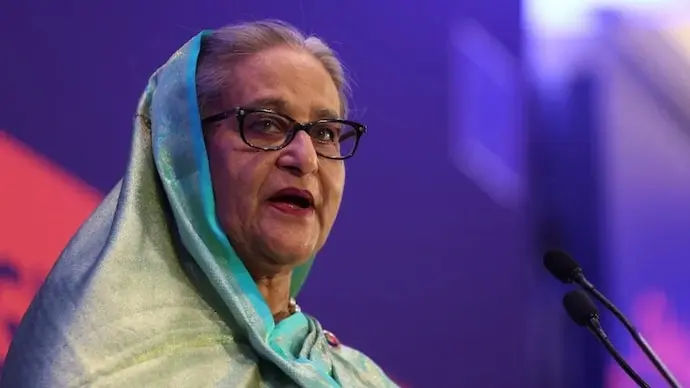
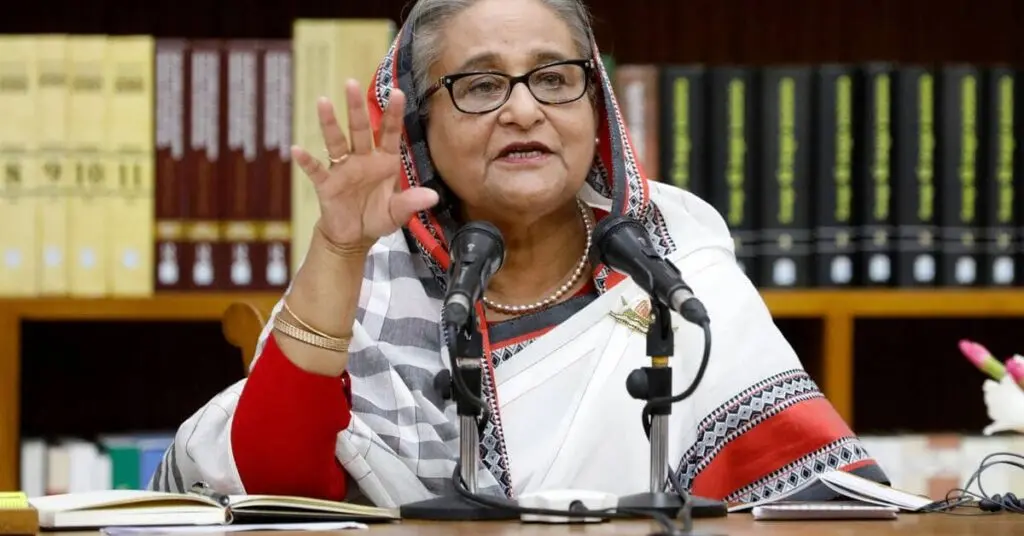
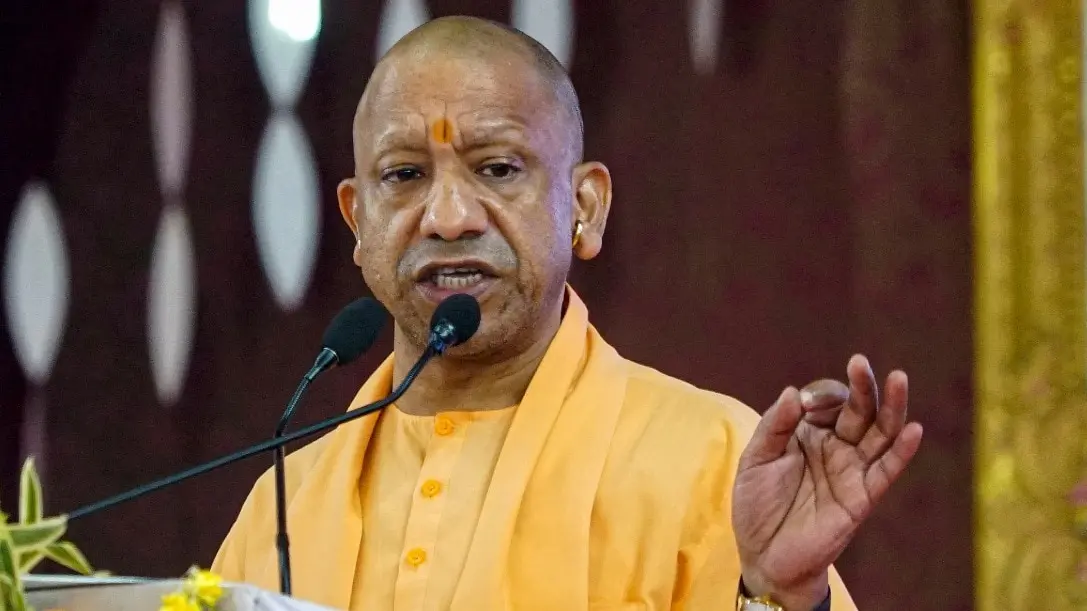
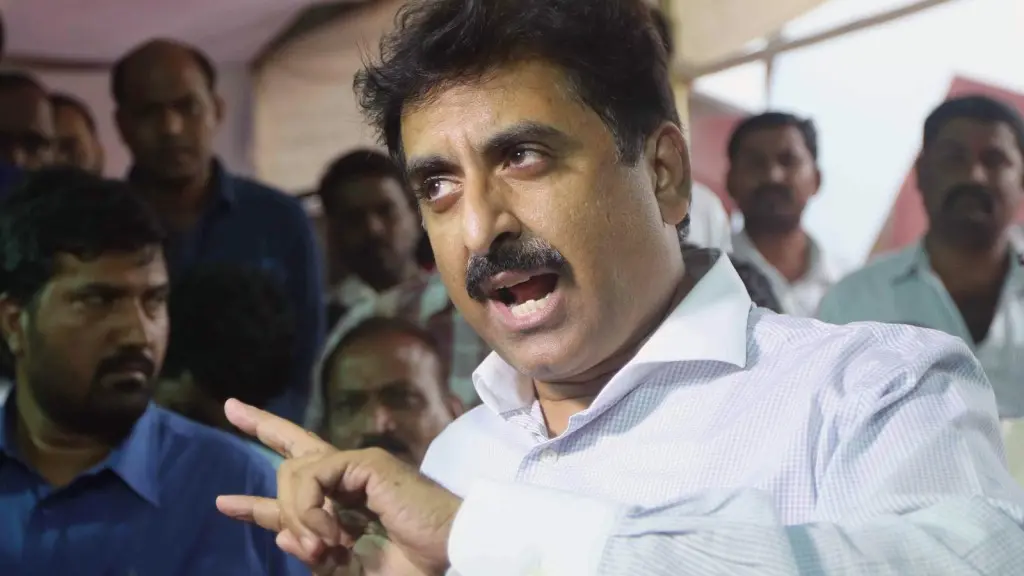
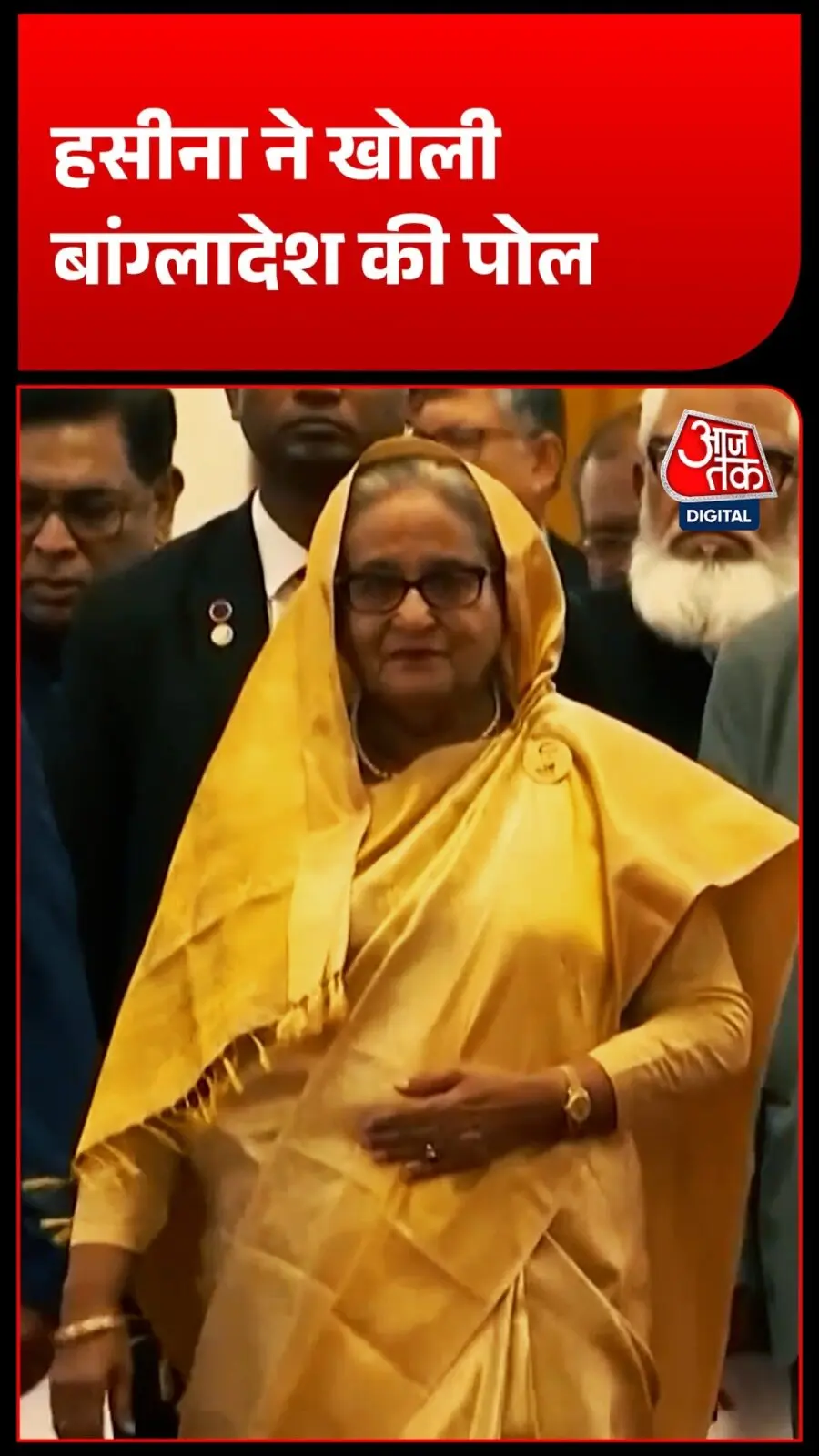
Bangladesh's state minister for foreign affairs, Humayun Kabir, said on Thursday, 5 November, that no passport or travel document will be issued to former prime minister Sheikh Hasina, who is in India. Kabir stated she will be brought back under the extradition treaty between Bangladesh and India, calling her a 'terrorist or criminal' for whom a passport is not required. He said a judicial warrant exists against her, and the extradition process will follow established judicial and diplomatic channels.
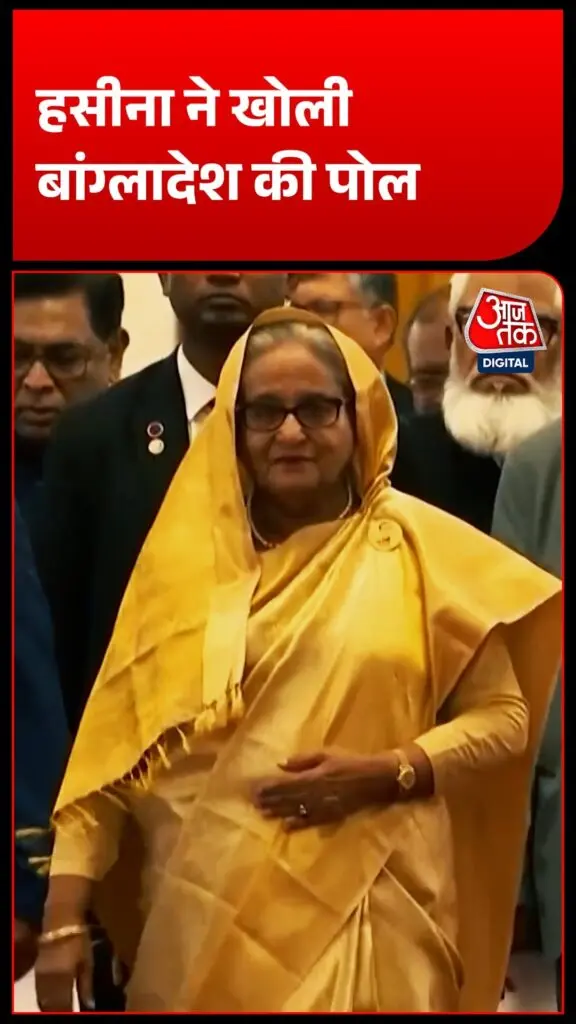
Separately, in an email interview with the Associated Press, Hasina reiterated her plan to return to Bangladesh in December, regardless of risks including arrest, torture or death. She said she does not need foreign help for her return. Hasina was ousted in August 2024 following a student-led uprising and has been in India since. Bangladesh's International Crimes Tribunal sentenced her to death in absentia in 2025 for crimes against humanity. India has not yet decided on Bangladesh's extradition request.
Indian Opinion Analysis
Aaj Tak's report leads with the Bangladeshi minister's statement, framing the extradition as a routine legal process and using the minister's characterisation of Hasina as a 'terrorist or criminal'. TV9 Hindi's report leads with Hasina's defiant statement about returning in December, emphasising her personal resolve and the risks she faces. Aaj Tak omits Hasina's own comments entirely, while TV9 Hindi includes the minister's statement only in passing. The difference reflects a choice to foreground either the Bangladeshi government's legal case or the former PM's narrative. A balanced reading notes that both sides are advancing incompatible plans: Bangladesh insists on extradition through a treaty, while Hasina says she will return on her own terms in December.
Coverage: 2 sources, 2 neutral
Sources (2): aajtak.in (neutral report), tv9hindi.com (neutral report)
This brief was synthesised by AI from the 2 sources linked above, so one read covers every framing they carry. Methodology and corrections.