






















Now Reading: Bank locker thefts in Mumbai, Kanpur as RBI caps compensation at Rs 4 lakh
-
01
Bank locker thefts in Mumbai, Kanpur as RBI caps compensation at Rs 4 lakh

Bank locker thefts in Mumbai, Kanpur as RBI caps compensation at Rs 4 lakh

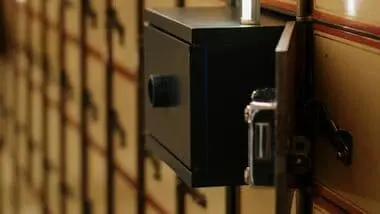
Gold jewellery worth Rs 50 lakh went missing from an SBI locker in Kanpur, while 610 grams of gold valued at Rs 81.8 lakh was stolen from a bank locker in Mumbai. The Kanpur victim discovered the loss after four months, the Mumbai victim, a 74-year-old Dubai resident, found his valuables missing on returning to India after two years.
The RBI regulates bank lockers and updated its compensation rules in August 2021. If bank negligence or security failure is proven, the maximum compensation is 100 times the annual locker rent, for a typical Rs 4,000 rent, that works out to Rs 4 lakh. Banks cannot ask what customers store and do not maintain an inventory of locker contents.
If negligence cannot be proved, no compensation is paid. Lockers operate on a dual-key system: the customer holds one key and the bank holds a master key, making access require both.
Indian Opinion Analysis
The twin locker thefts come at a time when Indians hold an estimated Rs 1.5 lakh crore in bank lockers, with no formal valuation or insurance. The RBI’s 100-times-annual-rent cap means that for a typical locker costing Rs 3,000 a year, the maximum compensation is just Rs 3 lakh, far below the value of gold or documents most families store. Proving bank negligence is a heavy burden: lockers use a dual-key system where the customer holds one key, making it easy for banks to argue shared fault. A Supreme Court ruling on this exact compensation framework is pending, as public interest litigations seek a re-examination of the 2021 RBI circular. The next hearing in that case is scheduled for July 2025.
Source: livemint.com
This story was synthesised by AI from the source linked above. Methodology and corrections.