

















Now Reading: Maharashtra approves 98-year lease for MSRTC land development
-
01
Maharashtra approves 98-year lease for MSRTC land development


The Story in Brief
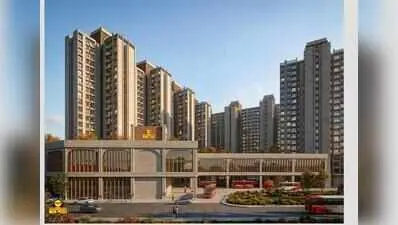
The Maharashtra government has approved the commercial development of surplus land owned by the Maharashtra State Road Transport Corporation (MSRTC) under a public-private partnership model, with leases of up to 98 years. The policy covers more than 3,500 acres across nearly 850 locations and follows an ‘Upfront Premium’ model recommended by the Subodh Kumar Committee.
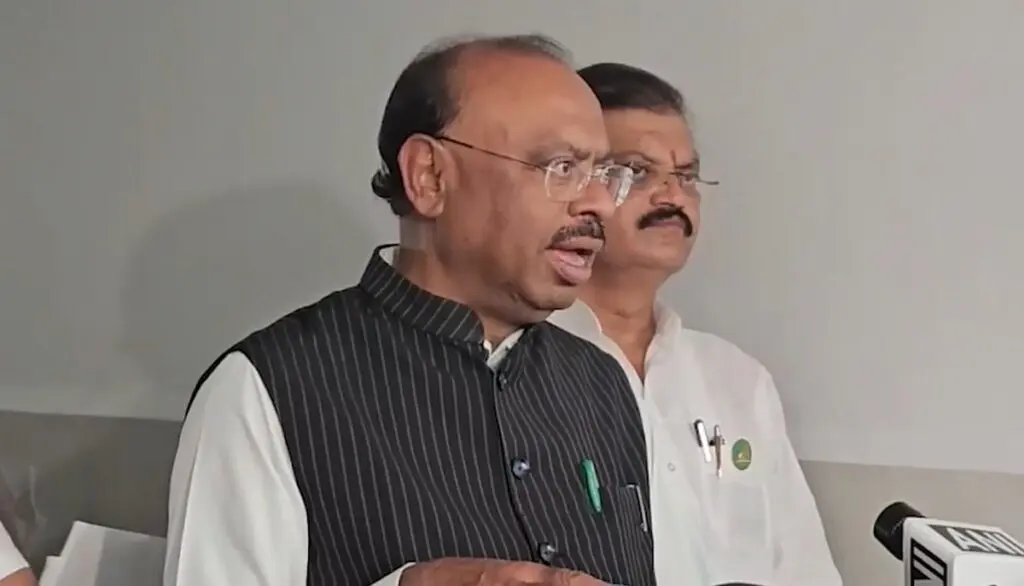
Transport Minister and MSRTC Chairman Pratap Sarnaik, who heads the high-level committee overseeing implementation, said the move aims to ensure the corporation's long-term financial empowerment and strengthen passenger services. Separate tenders will be mandatory for each property, and final approval for every project tender is required at the chief minister's level.
Update, 10 October 2026: Hindustan Times now also reports the MSRTC land development approval, confirming the 3,500-acre figure, the 49+49-year lease, and the mandatory tenders and chief minister-level approval. It adds Sarnaik's statement that the properties will be used for the corporation's long-term financial empowerment, not just temporary income.
Indian Opinion Analysis
The Times of India and Hindustan Times frame the decision as a move towards financial self-reliance, emphasising the scale of the land bank and quoting Sarnaik on long-term empowerment. Free Press Journal adds detail on the committee's original recommendation of a 90-year lease, later extended to 98 years, and notes concessions under the 2026 PPP policy. All three report uniformly on the committee, tender and approval requirements, with no critical scrutiny of potential downsides such as asset disposal or revenue risk. The balanced reading: the policy is presented as a transparent, revenue-generating measure, with the emphasis largely on official assurances.
A key point to watch is whether the 98-year lease, extended from the initially recommended 90 years, materialises as anticipated. The government resolution and the mandatory approvals at the chief minister's level are the next concrete steps.
Coverage: 3 sources, 2 pro-government, 1 neutral
Sources (3): timesofindia.indiatimes.com (pro government), freepressjournal.in (neutral report), hindustantimes.com (pro government)
This brief was synthesised by AI from the 3 sources linked above, so one read covers every framing they carry. Methodology and corrections.